Etappenstall – musée-expos – Erstein
Description
English
Deutsch
Dutch
Español
Italiano
Description
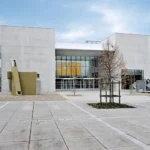
L’Etappenstall est le lieu de culture et de découverte de la ville d'Erstein. A chaque saison culturelle, sa programmation est articulée autour d'une nouvelle thématique. On y découvre des expositions temporaires qui valorisent le patrimoine local, explorent des disciplines artistiques ou des sujets de société via des dispositifs interactifs. Des ateliers de pratique artistique et des visites commentées permettent au public de vivre une culture proche de son quotidien. Son architecture symbolise le lien entre passé et présent en associant un édifice ancien réhabilité à un bâtiment contemporain. Sur deux niveaux, l’Etappenstall offre 250 m² de volumes ouverts et lumineux. L'Espace archéo : Un petit espace permanent est réservé à la mise en valeur du patrimoine découvert à Erstein lors de différentes campagnes de fouilles archéologiques. Pour l'âge du bronze, un puits remarquablement conservé, vieux de 4000 ans (en 2004), ainsi que divers vestiges mis au jour lors de la découverte de la nécropole mérovingienne, une des plus importantes d'Europe (en 1999).
English
The Etappenstall is the place of culture and discovery in the town of Erstein Each cultural season, its programming is structured around a new theme. It features temporary exhibitions that highlight local heritage, explore artistic disciplines or social issues via interactive devices. Artistic workshops and guided tours allow the public to experience a culture close to their daily lives Its architecture symbolizes the link between past and present by associating a rehabilitated old building with a contemporary building. On two levels, the Etappenstall offers 250 m² of open and bright volumes. L'Espace archéo: A small permanent space is reserved for the enhancement of the heritage discovered at Erstein during various archaeological excavation campaigns. For the Bronze Age, there is a remarkably well-preserved 4,000-year-old well (in 2004), as well as various remains unearthed during the discovery of the Merovingian necropolis, one of the most important in Europe (in 1999).
Deutsch
Der Etappenstall ist der Kultur- und Entdeckungsort der Stadt Erstein In jeder Kultursaison ist sein Programm um ein neues Thema herum aufgebaut. Es gibt wechselnde Ausstellungen, die das lokale Kulturerbe aufwerten, künstlerische Disziplinen oder gesellschaftliche Themen mithilfe interaktiver Geräte erforschen. Workshops zur künstlerischen Praxis und kommentierte Führungen ermöglichen es dem Publikum, eine Kultur zu erleben, die seinem Alltag nahe kommt Seine Architektur symbolisiert die Verbindung zwischen Vergangenheit und Gegenwart, indem sie ein altes, saniertes Gebäude mit einem zeitgenössischen Bauwerk verbindet. Auf zwei Ebenen bietet der Etappenstall 250 m² offene und helle Räume. Der Archäobereich: Ein kleiner Dauerbereich ist der Präsentation des Erbes vorbehalten, das in Erstein bei verschiedenen archäologischen Ausgrabungskampagnen entdeckt wurde. Aus der Bronzezeit ist dies ein bemerkenswert gut erhaltener, 4000 Jahre alter Brunnen (2004) sowie verschiedene Überreste, die bei der Entdeckung der merowingischen Nekropole, einer der größten Europas, zutage kamen (1999).
Dutch
De Etappenstall is de plaats van cultuur en ontdekking in Erstein Elk cultureel seizoen is het programma opgebouwd rond een nieuw thema. Er zijn tijdelijke tentoonstellingen die het lokale erfgoed promoten, artistieke disciplines of sociale kwesties verkennen via interactieve apparaten. Dankzij praktische kunstworkshops en rondleidingen kan het publiek een cultuur ervaren die dicht bij hun dagelijkse leven staat De architectuur symboliseert de band tussen verleden en heden door een gerenoveerd oud gebouw te associëren met een hedendaags gebouw. Op twee niveaus biedt de Etappenstall 250 m² open en lichte ruimte. De Archeologische Ruimte: Een kleine permanente ruimte is gereserveerd voor de presentatie van het erfgoed dat in Erstein tijdens verschillende archeologische opgravingscampagnes is ontdekt. Voor de Bronstijd, een opmerkelijk goed bewaarde 4000 jaar oude waterput (in 2004), evenals verschillende overblijfselen die werden blootgelegd bij de ontdekking van de Merovingische necropolis, een van de grootste in Europa (in 1999).
Español
El Etappenstall es el lugar de la cultura y el descubrimiento en Erstein Cada temporada cultural, su programa se estructura en torno a un nuevo tema. Hay exposiciones temporales que promueven el patrimonio local, exploran disciplinas artísticas o temas sociales mediante dispositivos interactivos. Los talleres de arte práctico y las visitas guiadas permiten al público experimentar una cultura cercana a su vida cotidiana Su arquitectura simboliza el vínculo entre el pasado y el presente al asociar un edificio antiguo renovado con uno contemporáneo. En dos niveles, el Etappenstall ofrece 250 m² de espacio abierto y luminoso. El espacio arqueológico: Un pequeño espacio permanente está reservado para la presentación del patrimonio descubierto en Erstein durante varias campañas de excavación arqueológica. Para la Edad de Bronce, un pozo de 4000 años de antigüedad extraordinariamente bien conservado (en 2004), así como varios restos descubiertos durante el descubrimiento de la necrópolis merovingia, una de las mayores de Europa (en 1999).
Italiano
L'Etappenstall è il luogo della cultura e della scoperta a Erstein Il programma di ogni stagione culturale è strutturato intorno a un nuovo tema. Vengono organizzate mostre temporanee per promuovere il patrimonio locale ed esplorare discipline artistiche o tematiche sociali attraverso esposizioni interattive. Laboratori artistici pratici e visite guidate permettono al pubblico di sperimentare una cultura vicina alla propria vita quotidiana La sua architettura simboleggia il legame tra passato e presente, associando un edificio antico ristrutturato a uno contemporaneo. Su due livelli, l'Etappenstall offre 250 m² di spazio aperto e luminoso. Lo spazio archeologico: un piccolo spazio permanente è riservato alla presentazione del patrimonio scoperto a Erstein durante le varie campagne di scavo archeologico. Per l'Età del Bronzo, un pozzo di 4000 anni fa straordinariamente ben conservato (nel 2004), oltre a vari resti rinvenuti durante la scoperta della necropoli merovingia, una delle più grandi d'Europa (nel 1999).
Langues: Deutsch - English
16 rue du Gal. de Gaulle, 67150 Erstein
Crédits: © OT Grand Ried