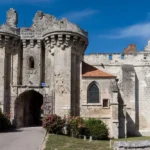
CHATEAU
Description
English
Deutsch
Dutch
Español
Italiano
Description
Le château, privé, fut construit à la fin du XVIe siècle par les Lambes, il devient par la suite la demeure de la famille italienne Cathala (ou Catellan). François Cathala est d'ailleurs en 1607 seigneur d'Empeaux et de Lamasquère. Plus tard ce château sera occupé par la famille Doujat. Jean Doujat est célèbre pour son esprit et mainteneur des jeux floraux. Il entre à l'Académie Française en 1650. Henri-Joseph Doujat, fils du baron d'Empeaux et de Claire le Comte, dame de Saiguède, est officier et seigneur d'Empeaux pendant la Révolution. Le Château est remanié dans le goût médiéval “Viollet-le-duc” dans la seconde moitié du XIXe siècle par le bijoutier Toulousain Lautier. Les Lambes et la moitié de Saiguède constituent une baronnie dont le centre et le château se fixent à Empeaux. Les barons sont les Cathalas, conseillers du rois, puis les Doujat qui possèdent 115 hectares de terres. Le hameau de la Rivière, au nord, regroupe les maisons des brassiers. Empeaux a 186 habitants en 1893. (Sources : mairie Empeaux)
English
The privately-owned château was built in the late 16th century by the Lambes family, and later became the home of the Italian Cathala (or Catellan) family. In 1607, François Cathala became Lord of Empeaux and Lamasquère. The château was later occupied by the Doujat family. Jean Doujat is famous for his wit and his maintenance of the jeux floraux. He joined the Académie Française in 1650. Henri-Joseph Doujat, son of Baron d'Empeaux and Claire le Comte, dame de Saiguède, was an officer and Seigneur d'Empeaux during the French Revolution. In the second half of the 19th century, the Château was remodeled in the medieval ?Viollet-le-duc? style by the Toulousian jeweler Lautier. Les Lambes and half of Saiguède form a barony, with Empeaux as its center and castle. The barons were the Cathalas, advisors to the King, and then the Doujats, who owned 115 hectares of land. The hamlet of La Rivière, to the north, was home to the brewers. Empeaux had 186 inhabitants in 1893. (Sources: Empeaux town hall)
Deutsch
Das private Schloss wurde Ende des 16. Jahrhunderts von den Lambes erbaut und wurde später zum Wohnsitz der italienischen Familie Cathala (oder Catellan). François Cathala ist übrigens 1607 Herr von Empeaux und Lamasquère. Später wird das Schloss von der Familie Doujat bewohnt. Jean Doujat ist berühmt für seinen Witz und pflegt die Jeux Floraux. Er wird 1650 in die Académie Française aufgenommen. Henri-Joseph Doujat, Sohn des Barons von Empeaux und von Claire le Comte, Dame von Saiguède, ist Offizier und Herr von Empeaux während der Revolution. Das Schloss wurde in der zweiten Hälfte des 19. Jahrhunderts von dem Juwelier Lautier aus Toulouse im mittelalterlichen Viollet-le-duc-Stil umgebaut. Les Lambes und die Hälfte von Saiguède bilden eine Baronie, deren Zentrum und Burg in Empeaux liegen. Die Barone waren die Cathalas, Berater des Königs, und später die Doujat, die 115 Hektar Land besaßen. Im Weiler La Rivière im Norden befinden sich die Häuser der Brauereien. Empeaux hatte 1893 186 Einwohner. (Quellen: mairie Empeaux)
Dutch
Het privékasteel werd aan het einde van de 16e eeuw gebouwd door de familie Lambes en werd later het thuis van de Italiaanse familie Cathala (of Catellan). In 1607 was François Cathala heer van Empeaux en Lamasquère. Het kasteel werd later bewoond door de familie Doujat. Jean Doujat was beroemd om zijn humor en zijn onderhoud van de jeux floraux. Hij werd lid van de Académie Française in 1650. Henri-Joseph Doujat, zoon van de baron van Empeaux en Claire le Comte, vrouwe van Saiguède, was officier en heer van Empeaux tijdens de Franse Revolutie. In de tweede helft van de 19e eeuw werd het kasteel verbouwd in de middeleeuwse Viollet-le-duc stijl door de Toulousiaanse juwelier Lautier. Les Lambes en de helft van Saiguède vormden een baronie, met Empeaux als centrum en kasteel. De baronnen waren de Cathalas, adviseurs van de koning, en vervolgens de Doujats, die 115 hectare land bezaten. In het gehucht La Rivière, in het noorden, woonden de brouwers. Empeaux telde 186 inwoners in 1893. (Bronnen: gemeentehuis van Empeaux)
Español
El castillo, de propiedad privada, fue construido a finales del siglo XVI por la familia Lambes, y más tarde se convirtió en el hogar de la familia italiana Cathala (o Catellan). En 1607, François Cathala era señor de Empeaux y Lamasquère. Más tarde, el castillo fue ocupado por la familia Doujat. Jean Doujat era famoso por su ingenio y su mantenimiento de los jeux floraux. Henri-Joseph Doujat, hijo del barón de Empeaux y de Claire le Comte, señora de Saiguède, fue oficial y señor de Empeaux durante la Revolución Francesa. En la segunda mitad del siglo XIX, el castillo fue remodelado al estilo medieval de Viollet-le-duc por el joyero tolosano Lautier. Les Lambes y la mitad de Saiguède formaban una baronía, con Empeaux como centro y castillo. Los barones eran los Cathalas, consejeros del rey, y luego los Doujats, que poseían 115 hectáreas de tierras. La aldea de La Rivière, al norte, albergaba a los cerveceros. En 1893, Empeaux contaba con 186 habitantes. (Fuente: Ayuntamiento de Empeaux)
Italiano
Il castello, di proprietà privata, fu costruito alla fine del XVI secolo dalla famiglia Lambes e divenne in seguito la dimora della famiglia italiana Cathala (o Catellan). Nel 1607, François Cathala era signore di Empeaux e Lamasquère. Il castello fu poi occupato dalla famiglia Doujat. Jean Doujat era famoso per la sua arguzia e per la cura dei jeux floraux. Nel 1650 divenne membro dell'Académie Française. Henri-Joseph Doujat, figlio del barone di Empeaux e di Claire le Comte, signora di Saiguède, fu ufficiale e signore di Empeaux durante la Rivoluzione francese. Nella seconda metà del XIX secolo, il castello fu ristrutturato nello stile medievale di Viollet-le-duc dal gioielliere tolosano Lautier. Les Lambes e metà di Saiguède formarono una baronia, con Empeaux come centro e castello. I baroni erano i Cathala, consiglieri del re, e poi i Doujat, che possedevano 115 ettari di terreno. La frazione di La Rivière, a nord, ospitava i produttori di birra. Empeaux contava 186 abitanti nel 1893. (Fonti: Municipio di Empeaux)
, 31470 Empeaux