"Maladie d'Alzheimer : et si le cerveau pouvait se défendre?" – 19-03-2026 – Allauch
My Tourisme > Evénements > Evénements Culturels > "Maladie d'Alzheimer : et si le cerveau pouvait se défendre?" – 19-03-2026 – Allauch
Description
English
Deutsch
Dutch
Español
Italiano
Description
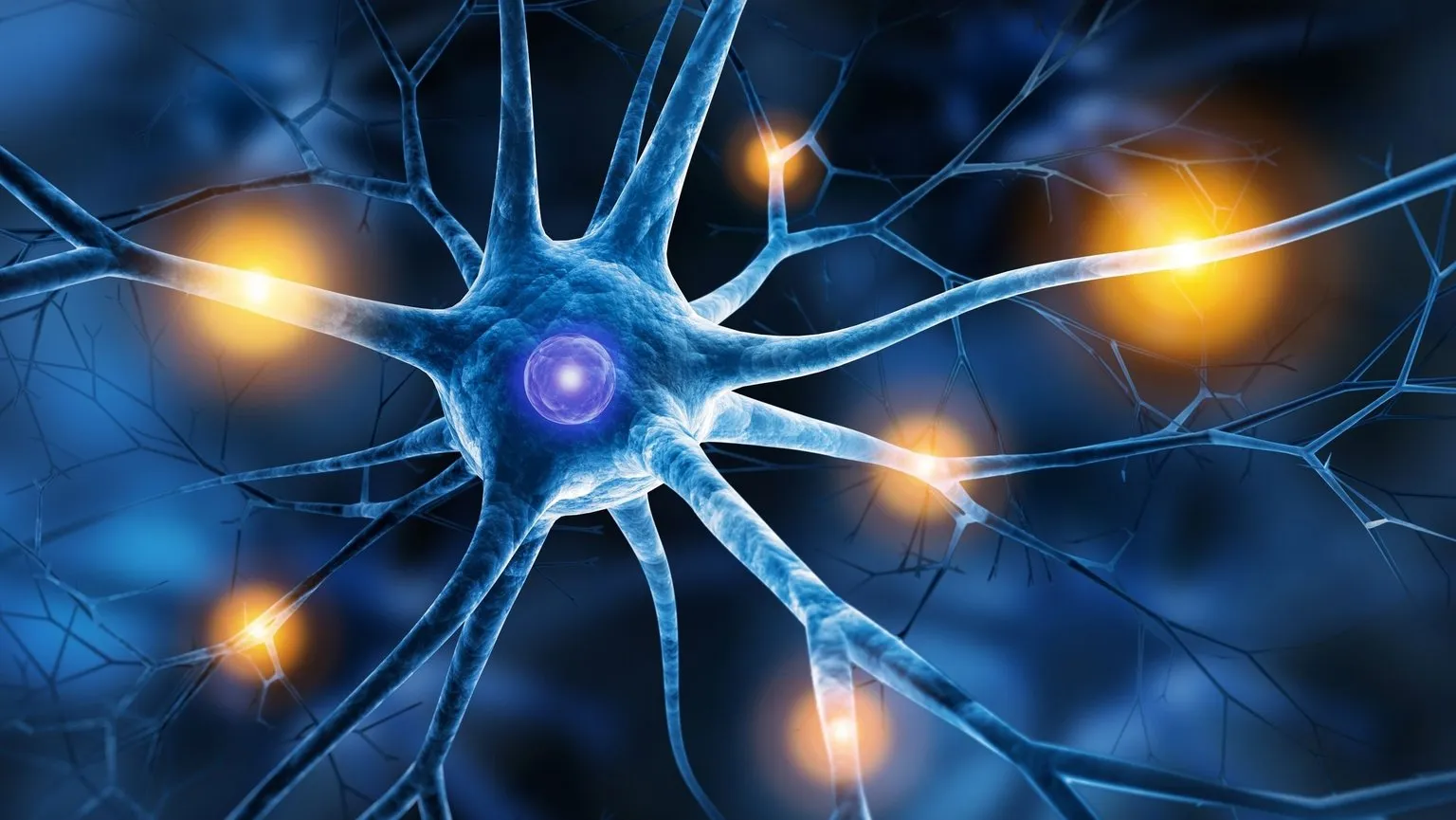
La maladie d’Alzheimer tue les
neurones, et avec eux, les souvenirs.
Mais le cerveau ne se résume
pas aux neurones. Il contient aussi
des cellules qui les protègent et
les nourrissent : la microglie et les
astrocytes. En temps normal, elles
sont les gardiennes du cerveau.
Mais dans la maladie, quelque
chose déraille. Pourquoi n’arrivent-
elles plus à faire leur travail
? Sont-elles elles aussi abîmées ?
C’est ce que cherche à comprendre
Maud Gratuze et son équipe, car
s’ils parviennent à réactiver leur
rôle protecteur, alors peut-être
pourront-ils sauver les neurones…
et la mémoire.
Animée par Maud Gratuze – docteure et chercheure
au CNRS en Neurosciences spécialiste
de la maladie d’Alzheimer et cheffe de
l’équipe SynapTau sur la dégénérescence
synaptique et gliose à l’Institut
de Neurophysiopathologie.
Cette conférence vous est proposée
en partenariat avec l'Association Cerveau
Point Comm, dans le cadre de la
Semaine du Cerveau coordonnée en
France par la Société des Neurosciences.
English
Alzheimer's disease kills
neurons, and with them, memories.
But there's more to the brain
neurons. It also contains
cells that protect and nourish
and nourish them: microglia and
astrocytes. Under normal circumstances, they
are the brain's guardians.
But in disease, something goes
something goes wrong. Why can?t they
do their job?
? Are they too damaged?
This is what Maud Gratuze
Maud Gratuze and her team
because if they can reactivate their
their protective role, then perhaps
save neurons?
and memory.
Hosted by Maud Gratuze – doctor and researcher
cNRS neuroscience researcher specializing
alzheimer's disease and head of the SynapTau
of the SynapTau team on synaptic degeneration
degeneration and gliosis at the Institut
of Neurophysiopathology.
This conference is offered
in partnership with the Association Cerveau
Point Comm, as part of
Semaine du Cerveau, coordinated in
Coordinated in France by the Société des Neurosciences.
Deutsch
Die Alzheimer-Krankheit tötet die
neuronen und mit ihnen die Erinnerungen.
Aber das Gehirn besteht nicht nur aus
nicht nur aus Neuronen. Es enthält auch
zellen, die sie schützen und
sie ernähren: die Mikroglia und die
astrozyten. Unter normalen Umständen sind sie
sind sie die Wächter des Gehirns.
Aber bei einer Krankheit passiert etwas
ist etwas aus dem Lot geraten. Warum können sie nicht mehr arbeiten?
sie können ihre Arbeit nicht mehr machen
? Sind auch sie geschädigt?
Das wollen wir herausfinden
Maud Gratuze und ihr Team, denn
wenn es ihnen gelingt, ihre Fähigkeit zur
dann könnten sie vielleicht
können sie die Neuronen retten?
und das Gedächtnis zu retten.
Moderiert von Maud Gratuze – Doktorin und Forscherin
spezialistin für Neurowissenschaften am CNRS
alzheimer-Krankheit und Leiterin des Forschungsteams
des SynapTau-Teams für Alzheimer-Degeneration
synaptische und Gliose am Institut
für Neurophysiopathologie.
Diese Konferenz wird Ihnen angeboten
in Partnerschaft mit der Association Cerveau
Point Comm, im Rahmen der
Woche des Gehirns koordiniert in
Frankreich von der Société des Neurosciences (Gesellschaft für Neurowissenschaften) organisiert wird.
Dutch
De ziekte van Alzheimer doodt
neuronen en daarmee herinneringen.
Maar er is meer in de hersenen
neuronen. Het bevat ook
cellen die ze beschermen en voeden
en voeden: microglia en
astrocyten. Onder normale omstandigheden
de beschermers van de hersenen.
Maar bij ziekte
gaat er iets mis. Waarom kunnen ze
hun werk niet doen?
? Zijn ze te beschadigd?
Dit is wat Maud Gratuze
Maud Gratuze en haar team
want als ze erin slagen om hun
beschermende rol, dan misschien
neuronen redden?
en het geheugen.
Gegidst door Maud Gratuze – arts en onderzoeker
in neurowetenschappen aan het CNRS
ziekte van Alzheimer en hoofd van het SynapTau
synapTau-team voor synaptische degeneratie en
degeneratie en gliose aan het Institut
voor neurofysiopathologie.
Deze conferentie wordt u aangeboden
in samenwerking met de Association Cerveau
Point Comm, als onderdeel van
Semaine du Cerveau (Hersenweek)
In Frankrijk gecoördineerd door de Société des Neurosciences.
Español
La enfermedad de Alzheimer mata
neuronas y, con ellas, los recuerdos.
Pero el cerebro es mucho más que
neuronas. También contiene
células que las protegen y nutren
y las nutren: la microglía y los
astrocitos. En circunstancias normales, son
son los guardianes del cerebro.
Pero en la enfermedad, algo va
algo va mal. ¿Por qué no pueden
hacer su trabajo?
? ¿Están demasiado dañados?
Esto es lo que Maud Gratuze
Maud Gratuze y su equipo
porque si consiguen reactivar su
función protectora, entonces quizás
salvar las neuronas?
y la memoria.
Presentado por Maud Gratuze – doctora e investigadora
en Neurociencia del CNRS
alzheimer y jefa del equipo SynapTau
equipo SynapTau sobre degeneración sináptica y
degeneración y gliosis en el Instituto
de Neurofisiopatología.
Esta conferencia se organiza
en colaboración con la Asociación Cerveau
Point Comm, en el marco de la
Semana del Cerebro
Coordinada en Francia por la Société des Neurosciences.
Italiano
La malattia di Alzheimer uccide
neuroni e con essi i ricordi.
Ma nel cervello c'è molto di più
i neuroni. Contiene anche
cellule che li proteggono e nutrono
e li nutrono: microglia e
astrociti. In circostanze normali, sono
sono i guardiani del cervello.
Ma nelle malattie, qualcosa va
va storto. Perché non riescono a
fare il loro lavoro?
? Sono troppo danneggiati?
Questo è ciò che Maud Gratuze
Maud Gratuze e il suo team
perché se riescono a riattivare il loro
ruolo protettivo, allora forse
salvare i neuroni?
e la memoria.
Ospitata da Maud Gratuze – medico e ricercatrice
in Neuroscienze presso il CNRS
malattia di Alzheimer e responsabile del team SynapTau
synapTau sulla degenerazione sinaptica e la
degenerazione sinaptica e gliosi presso l'Istituto
di Neurofisiopatologia.
Questa conferenza è organizzata
in collaborazione con l'Associazione Cerveau
Point Comm, nell'ambito della
Semaine du Cerveau (Settimana del cervello)
Coordinata in Francia dalla Société des Neurosciences.
Auditorium de l'usine électrique, 13190 Allauch
Crédits: Ville d'Allauch