Description
Propriété viticole en agriculture biologique.
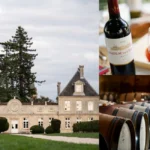
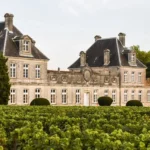
Le Château de l’Emigré doit son nom au Comte François de Ségur qui à l’aube de la Révolution Française, s’exila pour ne jamais revenir. Aujourd’hui, la famille Despujols cultive en agriculture biologique les 5 ha de la propriété entourant le château.
Ce terroir d’exception, au sol caillouteux, donne des vins d’une grande finesse, après une vinification soignée, soit en cuves soit en fûts de chêne. Lors de votre dégustation, vous pourrez visiter les chais de vinification, le vignoble sur la plaine des graves et les anciennes écuries du château.
English
A few steps from the center of Cérons on the left bank of the river Garonne, Pierre-Gérard Despujols welcomes you to Château de L’Émigré, a 19th century residence surrounded by a wooded park. In the heart of the Graves vineyard, a visit to this winery allows you to learn more about the organic conversion of the vines and about the vinification of red Graves wines as well as AOC Cerons sweet wines.
After a presentation of the vineyard, enter the vinification cellar and then the aging cellar and get acquainted, during a commented tasting, with the wines of Château de L’Émigré.
Deutsch
Weingut, das biologisch bewirtschaftet wird.
Das Château de l'Emigré verdankt seinen Namen dem Grafen François de Ségur, der zu Beginn der Französischen Revolution ins Exil ging und nie wieder zurückkehrte. Heute bewirtschaftet die Familie Despujols das 5 ha große Anwesen, das das Schloss umgibt, biologisch
Dieses außergewöhnliche Terroir mit seinem steinigen Boden bringt nach einer sorgfältigen Weinbereitung, die entweder in Tanks oder in Eichenfässern stattfindet, Weine von großer Finesse hervor. Während Ihrer Weinprobe können Sie die Weinkeller, den Weinberg auf der Graves-Ebene und die ehemaligen Stallungen des Schlosses besichtigen.
Dutch
Biologische wijnbouw eigendom.
Het Château de l'Emigré dankt zijn naam aan graaf François de Ségur die aan het begin van de Franse Revolutie in ballingschap ging om nooit meer terug te keren. Tegenwoordig bewerkt de familie Despujols de 5 hectare grond rond het kasteel met biologische landbouwmethoden
Dit uitzonderlijke terroir, met zijn steenachtige bodem, produceert wijnen van grote finesse, na een zorgvuldige vinificatie, hetzij in vaten, hetzij in eiken vaten. Tijdens uw proeverij kunt u de wijnkelders, de wijngaard op de vlakte van Graves en de voormalige stallen van het kasteel bezoeken.
Español
Propiedad de cultivo de vino ecológico.
El castillo de l'Emigré debe su nombre al conde François de Ségur que, en los albores de la Revolución Francesa, se exilió para no volver jamás. En la actualidad, la familia Despujols cultiva las 5 hectáreas de la propiedad que rodea al castillo con métodos de agricultura ecológica
Este terruño excepcional, con su suelo pedregoso, produce vinos de gran finura, tras una cuidadosa vinificación, ya sea en cubas o en barricas de roble. Durante la degustación, podrá visitar las bodegas de vinificación, el viñedo de la llanura de Graves y las antiguas caballerizas del château.
Italiano
Proprietà vitivinicola biologica.
Il Castello dell'Emigrato deve il suo nome al conte François de Ségur che, all'alba della Rivoluzione francese, andò in esilio per non fare più ritorno. Oggi la famiglia Despujols coltiva i 5 ettari di proprietà che circondano lo château con metodi di agricoltura biologica
Questo eccezionale terroir, con il suo terreno sassoso, produce vini di grande finezza, dopo un'attenta vinificazione, sia in tini che in botti di rovere. Durante la degustazione, potrete visitare le cantine di vinificazione, il vigneto sulla piana delle Graves e le ex scuderie dello château.