Temple protestant – Châtillon-sur-Loire
Description
English
Deutsch
Dutch
Español
Italiano
Description
Le bâtiment date du XIIe siècle et abrite le temple depuis 1821. Il servait au Moyen-Âge de grange dîmière des seigneurs (moines de l'abbaye de Fleury) de Châtillon-sur-Loire. Il fut vendu comme bien national pendant la Révolution. Il fut acheté en 1819 par le Consistoire protestant afin de devenir officiellement temple en 1821
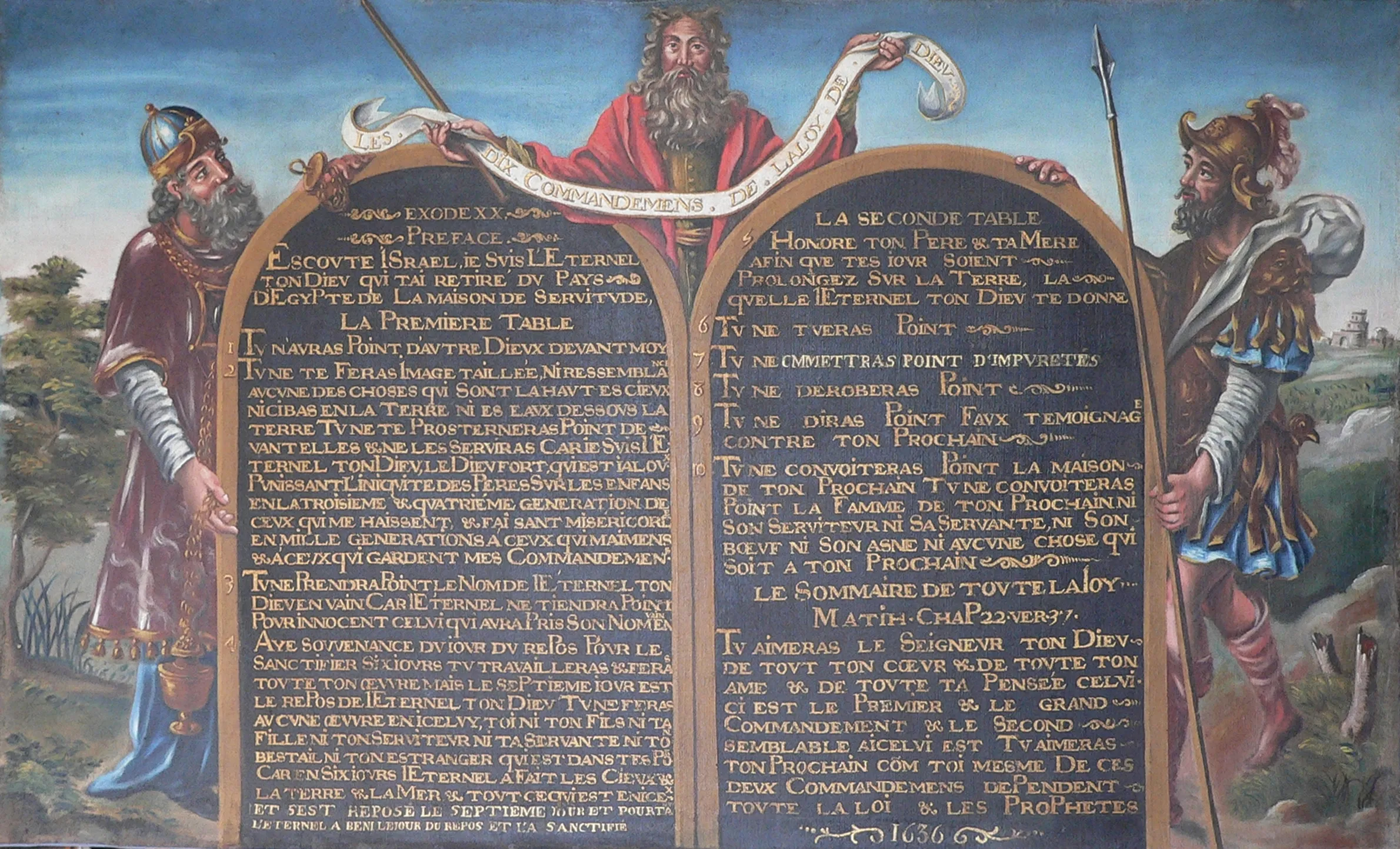
(date procès verbal de l'inauguration le 8 juillet 1821). Six inscriptions bibliques sont inscrites sur les murs. La chair se détache au centre, entourée d'un hémicycle en bois. Accroché à la tribune, un tableau, appelé décalogue (1636) représente Moïse et les tables de la loi. (Autre trace du passé : le cimetière protestant, chemin des Murailles datant de 1828 contigu à celui de 1596, sera interdit en 1684.) Accès sur réservation.
English
The building dates back to the 12th century and has housed the church since 1821. In the Middle Ages, it served as a tithe barn for the lords (monks of Fleury Abbey) of Châtillon-sur-Loire. It was sold as national property during the French Revolution. In 1819, it was bought by the Protestant Consistory and officially became a temple in 1821
(date of inauguration minutes: July 8, 1821). Six biblical inscriptions are inscribed on the walls. The flesh stands out in the center, surrounded by a wooden hemicycle. Hanging from the rostrum, a painting known as the Decalogue (1636) depicts Moses and the tablets of the law. (Another trace of the past: the Protestant cemetery on Chemin des Murailles, dating from 1828 and adjoining the 1596 cemetery, was banned in 1684) Access by reservation only.
Deutsch
Das Gebäude stammt aus dem 12. Jahrhundert und beherbergt seit 1821 den Tempel. Im Mittelalter diente es als Zehntscheune der Herren (Mönche der Abtei Fleury) von Châtillon-sur-Loire. Während der Revolution wurde es als Nationalgut verkauft. Im Jahr 1819 wurde es vom protestantischen Konsistorium gekauft, um 1821 offiziell zum Tempel zu werden
(Protokolldatum der Einweihung am 8. Juli 1821). An den Wänden befinden sich sechs biblische Inschriften. In der Mitte sticht das Fleisch hervor, das von einem hölzernen Halbkreis umgeben ist. An der Empore hängt ein Gemälde, der sogenannte Dekalog (1636), der Moses und die Gesetzestafeln darstellt. (Eine weitere Spur der Vergangenheit: Der protestantische Friedhof, chemin des Murailles aus dem Jahr 1828, der an den aus dem Jahr 1596 angrenzt, wurd
Dutch
Het gebouw dateert uit de 12e eeuw en herbergt sinds 1821 de kerk. In de middeleeuwen werd het gebruikt als tiendschuur door de heren (monniken van de abdij van Fleury) van Châtillon-sur-Loire. Tijdens de Franse Revolutie werd het verkocht als nationaal bezit. In 1819 werd het gekocht door het Protestantse Consistorie en in 1821 werd het officieel een kerk
(datum van de notulen van de inwijding: 8 juli 1821). Op de muren zijn zes bijbelse inscripties aangebracht. Het vlees staat in het midden, omgeven door een houten halfrond. Aan het podium hangt een schilderij dat bekend staat als de Decaloog (1636) en Mozes en de tafelen der wet voorstelt. (Nog een spoor van het verleden: het protestantse kerkhof op de Chemin des Murailles, daterend uit 1828 en grenzend aan dat van 1596, werd in 1684
Español
El edificio data del siglo XII y alberga la iglesia desde 1821. En la Edad Media, fue utilizado como granero de diezmos por los señores (monjes de la abadía de Fleury) de Châtillon-sur-Loire. Fue vendido como propiedad nacional durante la Revolución Francesa. Fue comprado en 1819 por el Consistorio protestante y se convirtió oficialmente en iglesia en 1821
(fecha del acta de inauguración: 8 de julio de 1821). En las paredes hay inscritas seis inscripciones bíblicas. La carne destaca en el centro, rodeada por un hemiciclo de madera. Colgado de la tribuna, un cuadro conocido como el Decálogo (1636) representa a Moisés y las tablas de la ley. (Otra huella del pasado: el cementerio protestante del Chemin des Murailles, de 1828 y contiguo al de 1596, fue prohibido en 1684) Acceso previo acuer
Italiano
L'edificio risale al XII secolo e ospita la chiesa dal 1821. Nel Medioevo era utilizzato come granaio per le decime dai signori (monaci dell'Abbazia di Fleury) di Châtillon-sur-Loire. Fu venduto come proprietà nazionale durante la Rivoluzione francese. Fu acquistata nel 1819 dal Concistoro protestante e divenne ufficialmente una chiesa nel 1821
(data del verbale di inaugurazione: 8 luglio 1821). Sulle pareti sono incise sei iscrizioni bibliche. Al centro spicca la carne, circondata da un emiciclo di legno. Appeso al rostro, un dipinto noto come il Decalogo (1636) raffigura Mosè e le tavole della legge. (Un'altra traccia del passato: il cimitero protestante sul Chemin des Murailles, risalente al 1828 e adiacente a quello del 1596, fu vietato nel 1684) Accesso su prenotazione.
A la campagne - En bord de fleuve ou rivière - Roman - Xixe siècle
28 Rue Franche, 45360 Châtillon-sur-Loire
Crédits: © Tourisme Loiret

