Excisum – site et musée archéologique d'Eysses – Villeneuve-sur-Lot
Description
English
Deutsch
Dutch
Español
Italiano
Description
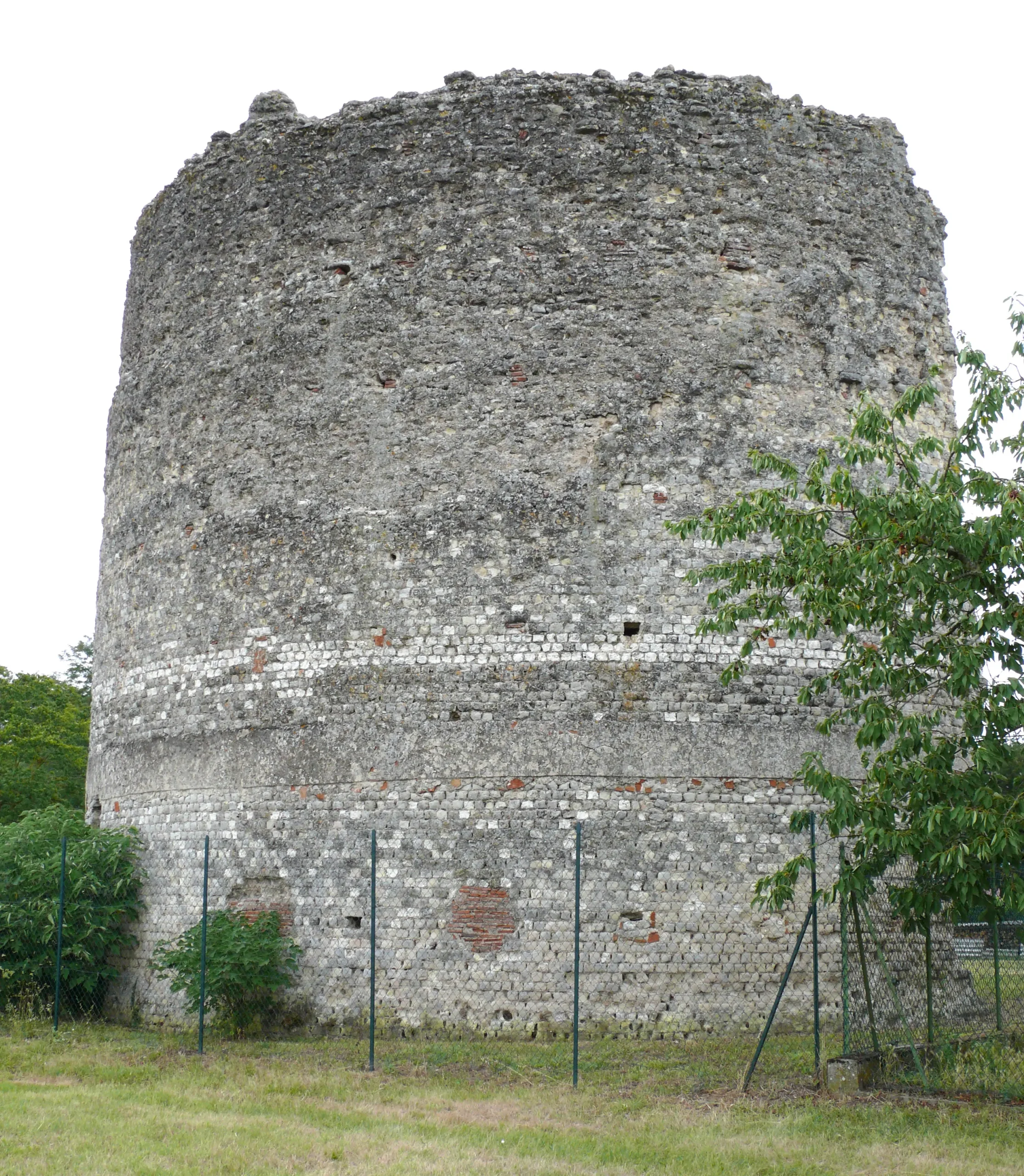
Excisum vous ouvre ses portes pour découvrir l’exposition permanente qui retrace l’histoire de la ville, agglomération gauloise du IVe siècle avant J.-C. au Ier après J.-C . puis cité gallo-romaine du Ier au IIe siècle après J.-C. Les vestiges du sanctuaire contemporain de cette période, l’un des dix plus grands de Gaule, sont encore visibles. L’un des exèdres de cet ensemble monumental de 10 m de hauteur est toujours en élévation, chemin de la Tour.
English
Eysses, Roman city from the 1rst century, knew a strong economical prosperity in its early era, moreover as Rome chose it as a shelter for military camps.At the 5th century the Benedictin abbey of Saint-Gervais Saint-Protais is founded on the antique site of Excisum. Under the will of the king of France and the abbott, the bastide of "Ville Neuve" is built on the banks of the river in the XIIIth century. Three spaces, three themes allow the visitor to discover numerous archaeological pieces found on the site: ceramics, coins, statuettes and amphoras. One room is dedicated to the Benedictin abbey of Eysses, to the creation of the Villeneuve sur Lot bastide and to life in the Middle ages.The gallery is about daily life in the city in centuries XIX and XX.
Deutsch
Nach drei Jahren Schließung und umfangreichen Renovierungsarbeiten wurde das archäologische Museum in Villeneuve-sur-Lot wieder für die Öffentlichkeit zugänglich gemacht.
In den vier Räumen der Dauerausstellung kann das Publikum das Leben der Gallier und die gallo-römische Epoche anhand von Alltagsgegenständen, militärischen Objekten, Architekturelementen aus dem Heiligtum und einer gallo-römischen Villa entdecken. Die Reise endet mit der Gründung der Bastide Villeneuvoise im 13. Jahrhundert durch Alphonse de Poitiers. Im Garten des Museums zeigt eine temporäre Ausstellung die außergewöhnliche Entdeckung eines römischen Lagers im März 2023 während einer präventiven Ausgrabungskampagne des archäologischen Studienbüros Éveha.
Dutch
Na een sluiting van drie jaar en ingrijpende verbouwingswerkzaamheden heeft het archeologisch museum van Villeneuve-sur-Lot zijn deuren weer geopend voor het publiek.
In de vier permanente tentoonstellingszalen kunnen bezoekers het leven van de Galliërs en vervolgens de Gallo-Romeinse periode ontdekken aan de hand van alledaagse en militaire voorwerpen, architectonische elementen uit het heiligdom en een Gallo-Romeinse villa. De reis eindigt met de oprichting van de bastide Villeneuve in de 13e eeuw door Alphonse de Poitiers. In de tuin van het museum presenteert een tijdelijke tentoonstelling de uitzonderlijke ontdekking van een Romeins kamp in maart 2023, tijdens een preventieve opgravingscampagne uitgevoerd door het archeologisch adviesbureau Éveha.
Español
Tras tres años de cierre e importantes obras de acondicionamiento, el museo arqueológico de Villeneuve-sur-Lot ha reabierto sus puertas al público.
En las cuatro salas de exposición permanente, los visitantes pueden descubrir la vida de los galos y luego la época galo-romana a través de objetos cotidianos y militares, elementos arquitectónicos del santuario y una villa galo-romana. El viaje finaliza con la creación de la bastida de Villeneuve en el siglo XIII por Alfonso de Poitiers. En el jardín del museo, una exposición temporal presenta el excepcional descubrimiento de un campamento romano en marzo de 2023, durante una campaña de excavación preventiva llevada a cabo por la consultoría arqueológica Éveha.
Italiano
Excisum vi apre le porte per scoprire l'esposizione permanente che ripercorre la storia della città, insediamento gallico dal IV secolo a.C. al I secolo d.C., poi città gallo-romana dal I al II secolo d.C.. I resti del santuario di questo periodo, uno dei dieci più grandi della Gallia, sono ancora visibili. Una delle esedre di questo complesso monumentale, alta 10 m, è ancora in piedi, sul chemin de la Tour.
Archéologie - Histoire - En ville
Classement: Ville ou Pays d'art et d'histoire - Monument Historique
Moyens de paiement: Carte bleue - Espèce - Chèque - Cartes bancaires - Eurocard - mastercard - Visa
Equipements: Animations
1 quater rue Victor Michaut, 47300 Villeneuve-sur-Lot