Epothémont – Épothémont
Description
English
Deutsch
Dutch
Español
Italiano
Description
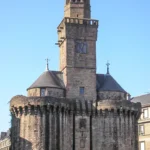
L'occupation du site est très ancienne, en effet on a découvert des vestiges préhistoriques et gallo-romains. Au Moyen-âge le fief d'Epothémont relevait de celui de Rosnay et la moitié appartenait à l'abbaye de Montier en Der. Plus récemment, une ancienne cave de style champenois a été transformée en salle polyvalente. Dans la commune d'Epothémont se trouve une source, appelée Saint-Quentin, réputée pour ses qualités. L'Eglise du même nom date du 12ème siècle et a été remanié au 16ème hormis sa nef en bois du 17ème siècle. (Source: Lucien MOREL PAYEN, Troyes et l'Aube). Population : 175 habitants (Source INSEE-PSDC 1999) Superficie : 1043 hectares Altitude : 145 mètres
English
The site has a long history of occupation, with prehistoric and Gallo-Roman remains having been discovered. In the Middle Ages, the fiefdom of Epothémont belonged to the fiefdom of Rosnay, half of which belonged to the abbey of Montier en Der. More recently, an old Champagne-style cellar has been converted into a multi-purpose hall. In the commune of Epothémont is a spring, called Saint-Quentin, renowned for its quality. The church of the same name dates from the 12th century and was remodeled in the 16th century, with the exception of its 17th-century wooden nave (Source: Lucien MOREL PAYEN, Troyes et l'Aube). Population: 175 (Source INSEE-PSDC 1999) Surface area: 1043 hectares Altitude: 145 meters
Deutsch
Die Besiedlung des Ortes ist sehr alt, in der Tat wurden prähistorische und gallo-römische Überreste entdeckt. Im Mittelalter unterstand das Lehen Epothémont dem von Rosnay und die Hälfte gehörte der Abtei von Montier en Der. In jüngerer Zeit wurde ein alter Weinkeller im Stil der Champagne in eine Mehrzweckhalle umgebaut. In der Gemeinde Epothémont befindet sich eine Quelle namens Saint-Quentin, die für ihre Qualität bekannt ist. Die gleichnamige Kirche stammt aus dem 12. Jahrhundert und wurde im 16. Jahrhundert umgebaut, mit Ausnahme des hölzernen Kirchenschiffs aus dem 17. Jahrhundert (Quelle: Lucien MOREL PAYEN, Troyes et l'Aube). Bevölkerung: 175 Einwohner (Quelle: INSEE-PSDC 1999) Fläche: 1043 Hektar Höhe: 145 Meter
Dutch
De site is al heel lang bewoond en er zijn prehistorische en Gallo-Romeinse overblijfselen ontdekt. In de middeleeuwen behoorde het leengoed Epothémont tot het leengoed Rosnay, waarvan de helft toebehoorde aan de abdij van Montier en Der. Meer recent werd een oude kelder in Champagnestijl omgebouwd tot een polyvalente zaal. In de gemeente Epothémont is er een bron genaamd Saint-Quentin, bekend om zijn kwaliteit. De kerk met dezelfde naam dateert uit de 12e eeuw en werd in de 16e eeuw verbouwd, met uitzondering van het houten schip uit de 17e eeuw (Bron: Lucien MOREL PAYEN, Troyes et l'Aube). Bevolking: 175 (Bron: INSEE-PSDC 1999) Oppervlakte: 1043 hectare Hoogte: 145 meter
Español
El lugar ha estado ocupado desde hace mucho tiempo, habiéndose descubierto restos prehistóricos y galo-romanos. En la Edad Media, el feudo de Epothémont pertenecía al feudo de Rosnay, cuya mitad pertenecía a la abadía de Montier en Der. Más recientemente, una antigua bodega de estilo champañés se ha convertido en una sala polivalente. En el municipio de Epothémont, hay un manantial llamado Saint-Quentin, famoso por su calidad. La iglesia del mismo nombre data del siglo XII y fue remodelada en el siglo XVI, a excepción de su nave de madera del siglo XVII (Fuente: Lucien MOREL PAYEN, Troyes et l'Aube). Población: 175 habitantes (Fuente INSEE-PSDC 1999) Superficie: 1043 hectáreas Altitud: 145 metros
Italiano
Il sito è stato occupato per molto tempo, con la scoperta di resti preistorici e gallo-romani. Nel Medioevo, il feudo di Epothémont apparteneva al feudo di Rosnay, metà del quale apparteneva all'abbazia di Montier en Der. Più recentemente, un'antica cantina in stile Champagne è stata trasformata in una sala polivalente. Nel comune di Epothémont si trova una sorgente chiamata Saint-Quentin, rinomata per la sua qualità. La chiesa omonima risale al XII secolo ed è stata rimaneggiata nel XVI secolo, ad eccezione della navata lignea del XVII secolo (Fonte: Lucien MOREL PAYEN, Troyes et l'Aube). Popolazione: 175 (Fonte INSEE-PSDC 1999) Superficie: 1043 ettari Altitudine: 145 metri
Marie: 9 rue de la Fontaine, 10500 Épothémont