Courteranges
Description
English
Deutsch
Dutch
Español
Italiano
Description
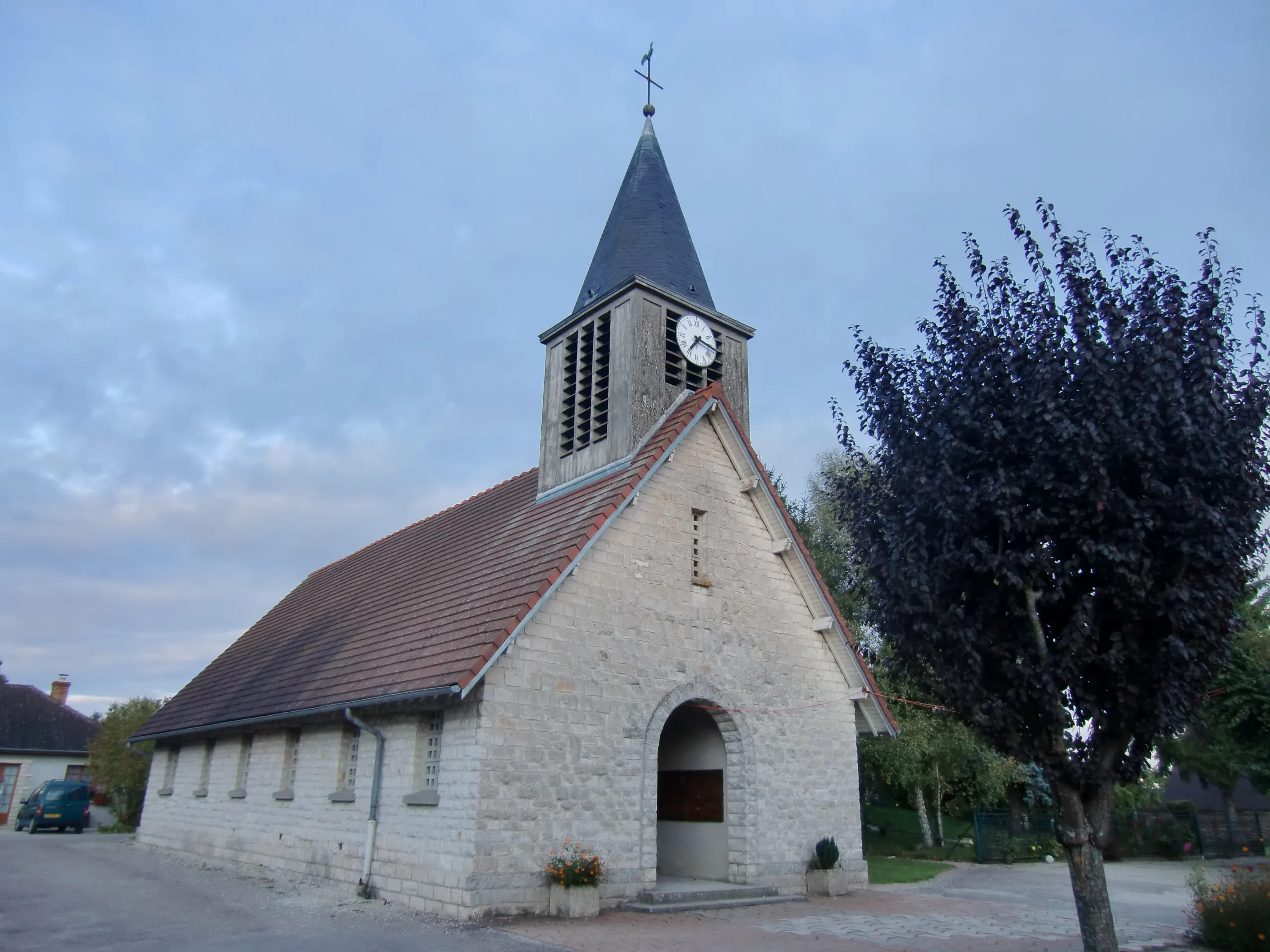
Curtis argentareï ou la ferme de l'argentier était le nom donné à Courteranges au 9ème siècle, l'argentier étant un banquier troyen établi dans le village. Le village se situe sur la rive gauche de la rivière Barse, alimentant aujourd'hui le Lac d'Orient. Un peu de géographie : 255 habitants en 1790 – 425 habitants en 1999 Nom des habitants : les « Courterangeois » ou les « Courtrangeons » Surnom des habitants : les « Courterangaulois » 647 hectares en superficie Région agricole humide : Champagne humide Région géographique : Forêts méridionales de la Champagne humide Un peu d'histoire : La seigneurie du village fût donnée à l'abbaye de Montiéramey par Charles Le-Chauve le 10 février 874. Celle-ci la conserva jusqu'à la Révolution. Le pont de la Guillotière, permettant de franchir la Barse, a été l'objet d'un épisode historique pendant la guerre de 1814. Le nom donné à ce pont est le nom du village qui existait au 16ème siècle. Le 3 février 1814, la défense du pont a été confiée à la garde du Général Gérard par Napoléon Bonaparte, afin d'éviter la retraite de l'armée française de Piney vers Troyes. Face à cette solide occupation, l'ennemi, le Comte Colloredo et l'armée de Bohême, renonça à une attaque de front jugée massacrante. Il fût alors refoulé pendant plus de trois jours jusqu'à Clérey, à quelques kilomètres au sud. Le chemin dit de « la Corvée » est constitué de craie et de gravier sans mortier. Il traverse le territoire sud, d'est en ouest et des fouilles ont permis d'authentifier la présence d'une activité romaine importante. Au 19ème siècle, on exploitait de la terre blanche pour les faïenceries de Vendeuvre-sur-Barse et de Mesnil-St-Père et au 20ème siècle, l'activité principale du village était l'élevage. Patrimoine culturel : Église dédiée à la Nativité de la Vierge de 1959 : elle a remplacé l'ancienne église d'origine romane impossible à restaurer. Elle abrite un remarquable tableau de bois sculpté, représentant Jésus Christ ; et quelques statues anciennes comme l'Enfant Jésus de Prague symbolisant l'autorité de Dieu. L'église, tout comme l'école et la mairie, sont d'architecture moderne (construites de 1957 à 1959). Colombier de la ferme de Pont-Barse. Moulin édifié en 1793 : il a fonctionné jusqu'en 1952, en utilisant la force hydraulique. Maisons d'architecture traditionnelle à toit triangulaire, perpendiculaire à la rue principale du village : la rue Commandant Gaston Gagnière (résistant du village). Cadran solaire édifié sur la salle des fêtes par les artistes locaux, M et Mme Dauphin. Patrimoin naturel : La commune abrite une héronnière occupée par une centaine d'oiseaux qui ont construit de gigantesques nids en haut de chêne, un marronnier centenaire, un cèdre du Liban de plus de 3,50m de circonférence, une faune et flore riches et uniques grâce aux prairies naturelles humides, mares et marais : ail anguleux, violette naine, renoncule à feuilles d'ophioglosse. Classement Natura 2000.
English
Curtis argentareï or the farm of the argentier was the name given to Courteranges in the 9th century, the argentier being a Trojan banker established in the village. The village is situated on the left bank of the Barse River, which now feeds the Lac d'Orient. A bit of geography: 255 inhabitants in 1790 – 425 inhabitants in 1999 Name of the inhabitants: the "Courterangeois" or the "Courtrangeons" Nickname of the inhabitants: the "Courterangaulois" 647 hectares in surface area Wet agricultural region: Wet Champagne Geographical region: Southern forests of the Wet Champagne A bit of history: The lordship of the village was given to the abbey of Montiéramey by Charles Le-Chauve on February 10, 874. The abbey kept it until the Revolution. The bridge of Guillotière, allowing to cross the Barse, was the object of a historical episode during the war of 1814. The name given to this bridge is the name of the village that existed in the 16th century. On 3 February 1814, the defence of the bridge was entrusted to the guard of General Gerard by Napoleon Bonaparte, in order to avoid the retreat of the French army from Piney to Troyes. Faced with this solid occupation, the enemy, Count Colloredo and the Bohemian army, renounced a frontal attack that was deemed to be a massacre. He was then driven back for more than three days to Clérey, a few kilometres to the south. The path known as "the Corvée" is made of chalk and gravel without mortar. It crosses the southern territory, from east to west, and excavations have allowed us to authenticate the presence of important Roman activity. In the 19th century, white earth was exploited for the earthenware factories of Vendeuvre-sur-Barse and Mesnil-St-Père and in the 20th century, the main activity of the village was animal husbandry. Cultural heritage: Church dedicated to the Nativity of the Virgin in 1959: it replaced the old church of Romanesque origin impossible to restore. It houses a remarkable carved wooden painting representing Jesus Christ and some ancient statues such as the Child Jesus of Prague symbolizing the authority of God. The church, as well as the school and the town hall, are of modern architecture (built from 1957 to 1959). Dovecote of the Pont-Barse farm. Mill built in 1793: it operated until 1952, using hydraulic power. Houses of traditional architecture with a triangular roof, perpendicular to the main street of the village: rue Commandant Gaston Gagnière (village resistance fighter). Sundial built on the village hall by local artists, Mr and Mrs Dauphin. Natural heritage: The commune is home to a heronry occupied by about a hundred birds that have built gigantic nests on top of oak trees, a centenary chestnut tree, a Lebanese cedar of more than 3.50m in circumference, a rich and unique fauna and flora thanks to the natural wet meadows, ponds and marshes: angular garlic, dwarf violet, buttercup with ophioglossus leaves. Natura 2000 classification.
Deutsch
Curtis argentareï oder der Bauernhof des argentier war der Name, der Courteranges im 9. Jahrhundert gegeben wurde, wobei der argentier ein trojanischer Bankier war, der sich im Dorf niedergelassen hatte. Das Dorf liegt am linken Ufer der Barse, die heute den Lac d'Orient speist. Ein bisschen Geographie: 255 Einwohner im Jahr 1790 – 425 Einwohner im Jahr 1999 Name der Einwohner: die "Courterangeois" oder die "Courtrangeons" Spitzname der Einwohner: die "Courterangaulois" 647 Hektar Fläche Nasslandwirtschaftliche Region: Nasslandwirtschaftliche Region: Nasslandwirtschaftliche Region: Südliche Wälder der Nasslandwirtschaft Ein bisschen Geschichte: Die Herrschaft des Dorfes wurde am 10. Februar 874 von Charles Le-Chauve an die Abtei von Montiéramey übergeben. Die Abtei behielt es bis zur Revolution. Die Brücke von Guillotière, die es erlaubt, die Barse zu überqueren, war Gegenstand einer historischen Episode während des Krieges von 1814. Der Name dieser Brücke ist der Name des Dorfes, das im 16. Jahrhundert existierte. Am 3. Februar 1814 wurde die Verteidigung der Brücke von Napoleon Bonaparte der Wache des Generals Gerard anvertraut, um den Rückzug der französischen Armee von Piney nach Troyes zu verhindern. Angesichts dieser soliden Besatzung verzichtete der Feind, Graf Colloredo und die böhmische Armee, auf einen Frontalangriff, der als Massaker angesehen wurde. Danach wurde er für mehr als drei Tage nach Clérey, einige Kilometer weiter südlich, zurückgefahren. Der als "Corvée" bekannte Weg ist aus Kreide und Kies ohne Mörtel. Sie durchquert das südliche Gebiet von Osten nach Westen, und Ausgrabungen haben uns erlaubt, die Anwesenheit wichtiger römischer Aktivitäten zu bestätigen. Im 19. Jahrhundert wurde die weiße Erde für die Steingutfabriken von Vendeuvre-sur-Barse und Mesnil-St-Père ausgebeutet und im 20. Jahrhundert war die Haupttätigkeit des Dorfes die Viehzucht. Kulturelles Erbe: Kirche, die 1959 der Geburt der Jungfrau Maria gewidmet wurde: sie ersetzte die alte Kirche romanischen Ursprungs, die nicht mehr restauriert werden konnte. Es beherbergt ein bemerkenswertes geschnitztes Holzgemälde, das Jesus Christus darstellt, und einige alte Statuen wie das Prager Jesuskind, das die Autorität Gottes symbolisiert. Die Kirche, sowie die Schule und das Rathaus sind von moderner Architektur (gebaut von 1957 bis 1959). Taubenschlag des Bauernhofs Pont-Barse. Mühle aus dem Jahr 1793: sie arbeitete bis 1952 mit hydraulischer Kraft. Häuser in traditioneller Architektur mit einem dreieckigen Dach, senkrecht zur Hauptstraße des Dorfes: rue Commandant Gaston Gagnière (dörflicher Widerstandskämpfer). Sonnenuhr, die von den lokalen Künstlern, Herrn und Frau Dauphin, auf dem Dorfsaal gebaut wurde. Naturerbe: Die Gemeinde ist die Heimat einer Reiherherherde, die von etwa hundert Vögeln besetzt ist, die riesige Nester auf Eichenbäumen gebaut haben, einer hundertjährigen Kastanie, einer libanesischen Zeder von mehr als 3,50 m Umfang, einer reichen und einzigartigen Fauna und Flora dank der natürlichen Feuchtwiesen, Teiche und Sümpfe: eckiger Knoblauch, Zwergveilchen, Hahnenfuß mit Ophioglossus-Blättern. Natura 2000 Klassifizierung.
Dutch
Curtis argentareï of de boerderij van het argentier was de naam die in de 9e eeuw aan Courteranges werd gegeven, waarbij het argentier een in het dorp gevestigde Trojaanse bankier was. Het dorp ligt op de linkeroever van de rivier de Barse, die nu het Lac d'Orient voedt. Een beetje geografie: 255 inwoners in 1790 – 425 inwoners in 1999 Naam van de inwoners: de "Courterangeois" of de "Courtrangeons" Bijnaam van de inwoners: de "Courterangaulois" 647 hectare in oppervlakte Natte landbouwstreek: Natte Champagne Geografisch gebied: Zuidelijke bossen van de Natte Champagne Een beetje geschiedenis: De heerlijkheid van het dorp werd door Charles Le-Chauve op 10 februari 874 aan de abdij van Montiéramey gegeven. De abdij bewaarde het tot aan de revolutie. De brug van Guillotière, die het mogelijk maakt om de Barse over te steken, was het voorwerp van een historische episode tijdens de oorlog van 1814. De naam die aan deze brug is gegeven is de naam van het dorp dat in de 16e eeuw bestond. Op 3 februari 1814 werd de verdediging van de brug door Napoleon Bonaparte toevertrouwd aan de wacht van generaal Gerard, om te voorkomen dat het Franse leger zich zou terugtrekken van Piney naar Troje. Geconfronteerd met deze solide bezetting hebben de vijand, graaf Colloredo en het Boheemse leger, afstand gedaan van een frontale aanval die als een bloedbad werd beschouwd. Vervolgens werd hij meer dan drie dagen teruggereden naar Clérey, een paar kilometer naar het zuiden. Het pad dat bekend staat als "de Corvée" is gemaakt van krijt en grind zonder mortel. Het kruist het zuidelijke gebied, van oost naar west, en de opgravingen hebben ons in staat gesteld om de aanwezigheid van belangrijke Romeinse activiteiten te verifiëren. In de 19e eeuw werd de witte aarde geëxploiteerd voor de aardewerkfabrieken van Vendeuvre-sur-Barse en Mesnil-St-Père en in de 20e eeuw was de belangrijkste activiteit van het dorp de veeteelt. Cultureel erfgoed: Kerk gewijd aan de Geboorte van de Maagd in 1959: het vervangt de oude kerk van Romaanse oorsprong die onmogelijk te restaureren was. Het herbergt een opmerkelijk gebeeldhouwd houten schilderij dat Jezus Christus voorstelt en enkele oude beelden zoals het Kindje Jezus van Praag dat de autoriteit van God symboliseert. De kerk, evenals de school en het stadhuis, zijn van moderne architectuur (gebouwd van 1957 tot 1959). Duiventil van de Pont-Barse boerderij. Molen gebouwd in 1793: deze werkte tot 1952, met behulp van hydraulische kracht. Huizen van traditionele architectuur met een driehoekig dak, loodrecht op de hoofdstraat van het dorp: rue Commandant Gaston Gagnière (verzetsstrijder van het dorp). Zonnewijzer gebouwd op het dorpshuis door lokale kunstenaars, de heer en mevrouw Dauphin. Natuurlijk erfgoed: De gemeente is de thuisbasis van een reiger die wordt bewoond door een honderdtal vogels die reusachtige nesten hebben gebouwd bovenop eikenbomen, een honderdjarige kastanjeboom, een Libanese ceder van meer dan 3,50 m omtrek, een rijke en unieke fauna en flora dankzij de natuurlijke natte weiden, vijvers en moerassen: hoekige knoflook, dwergviooltje, boterbloem met ophioglossusblaadjes. Natura 2000-classificatie.
Español
Curtis argentareï o la granja del argentier era el nombre dado a Courteranges en el siglo IX, siendo el argentier un banquero troyano establecido en el pueblo. El pueblo se encuentra en la orilla izquierda del río Barse, que hoy alimenta el Lac d'Orient. Un poco de geografía: 255 habitantes en 1790 – 425 habitantes en 1999 Nombres de los habitantes: los "Courterangeois" o los "Courtrangeons" Apodos de los habitantes: los "Courterangaulois" 647 hectáreas de superficie Región agrícola húmeda: Champaña húmeda Región geográfica: Bosques meridionales de la Champaña húmeda Un poco de historia: El señorío del pueblo fue concedido a la abadía de Montiéramey por Carlos Le-Chauve el 10 de febrero de 874. La abadía lo conservó hasta el siglo IX. La abadía lo conservó hasta la Revolución Francesa. El puente de la Guillotière sobre el Barse fue objeto de un episodio histórico durante la Guerra de 1814. El puente debe su nombre al pueblo que existía allí en el siglo XVI. El 3 de febrero de 1814, Napoleón Bonaparte confió la defensa del puente al general Gérard, con el fin de impedir la retirada del ejército francés desde Piney hacia Troyes. Ante esta sólida ocupación, el enemigo, el conde Colloredo y el ejército de Bohemia, se decidieron por un ataque frontal, que consideraron una masacre. Se les hizo retroceder durante más de tres días hasta Clérey, algunos kilómetros al sur. La carretera conocida como "la Corvée" está hecha de tiza y grava sin mortero. Atraviesa la zona sur de este a oeste, y las excavaciones han revelado la presencia de una importante actividad romana. En el siglo XIX, se extraía tierra blanca para las fábricas de loza de Vendeuvre-sur-Barse y Mesnil-St-Père, y en el siglo XX, la actividad principal del pueblo era la ganadería. Patrimonio cultural: Iglesia dedicada a la Natividad de la Virgen en 1959: sustituyó a la antigua iglesia románica, imposible de restaurar. Alberga una notable pintura tallada en madera que representa a Jesucristo y varias estatuas antiguas, entre ellas el Niño Jesús de Praga, símbolo de la autoridad de Dios. La iglesia, al igual que la escuela y el ayuntamiento, es de arquitectura moderna (construida entre 1957 y 1959). Palomar de la granja de Pont-Barse. Molino hidráulico construido en 1793, que funcionó hasta 1952. Casas tradicionales con tejados triangulares, perpendiculares a la calle principal del pueblo: rue Commandant Gaston Gagnière (resistente del pueblo). Reloj de sol construido en el ayuntamiento del pueblo por artistas locales, el Sr. y la Sra. Dauphin. Patrimonio natural: El municipio alberga una garza ocupada por un centenar de aves que han construido enormes nidos en lo alto de los robles, un castaño centenario, un cedro del Líbano de más de 3,50 m de circunferencia, y una fauna y flora ricas y únicas gracias a los prados húmedos naturales, estanques y marismas: ajo anguloso, violeta enana, ranúnculo. Incluido en la red Natura 2000.
Italiano
Curtis argentareï o fattoria dell'argentiere era il nome dato a Courteranges nel IX secolo; l'argentiere era un banchiere troiano stabilitosi nel villaggio. Il villaggio si trova sulla riva sinistra del fiume Barse, che oggi alimenta il Lac d'Orient. Un po' di geografia: 255 abitanti nel 1790 – 425 abitanti nel 1999 Nomi degli abitanti: i "Courterangeois" o i "Courtrangeons" Soprannomi degli abitanti: i "Courterangaulois" 647 ettari di superficie Regione agricola umida: Champagne umida Regione geografica: Foreste meridionali della Champagne umida Un po' di storia: La signoria del villaggio fu ceduta all'abbazia di Montiéramey da Charles Le-Chauve il 10 febbraio 874. L'abbazia la mantenne fino alla Rivoluzione francese. Il ponte della Guillotière sulla Barse fu oggetto di un episodio storico durante la guerra del 1814. Il ponte prende il nome dal villaggio che vi esisteva nel XVI secolo. Il 3 febbraio 1814, Napoleone Bonaparte affidò la difesa del ponte al generale Gérard, per evitare che l'esercito francese si ritirasse da Piney verso Troyes. Di fronte a questa solida occupazione, il nemico, il conte Colloredo e l'esercito boemo, decisero di non attaccare frontalmente, ritenendolo un massacro. Furono quindi respinti per più di tre giorni fino a Clérey, pochi chilometri più a sud. La strada detta "la Corvée" è fatta di gesso e ghiaia senza malta. Attraversa la zona meridionale da est a ovest e gli scavi hanno rivelato la presenza di un'importante attività romana. Nel XIX secolo si estraeva la terra bianca per le fabbriche di terracotta di Vendeuvre-sur-Barse e Mesnil-St-Père, mentre nel XX secolo l'attività principale del villaggio era l'allevamento. Patrimonio culturale: Chiesa dedicata alla Natività della Vergine nel 1959: ha sostituito l'antica chiesa romanica, impossibile da restaurare. Ospita un notevole dipinto ligneo intagliato raffigurante Gesù Cristo e alcune statue antiche, tra cui il Bambino Gesù di Praga, simbolo dell'autorità di Dio. La chiesa, come la scuola e il municipio, è di architettura moderna (costruita tra il 1957 e il 1959). Colombaia della fattoria di Pont-Barse. Un mulino ad acqua costruito nel 1793, che ha funzionato fino al 1952. Case tradizionali con tetti triangolari, perpendicolari alla strada principale del villaggio: rue Commandant Gaston Gagnière (resistente del villaggio). Meridiana costruita sul municipio del villaggio dagli artisti locali, i signori Dauphin. Patrimonio naturale: il comune ospita una garzaia occupata da un centinaio di uccelli che hanno costruito enormi nidi in cima alle querce, un castagno centenario, un cedro del Libano con una circonferenza di oltre 3,50 m e una fauna e una flora ricche e uniche grazie ai prati umidi naturali, agli stagni e alle paludi: aglio angolare, viola nana, ranuncolo. Catalogato nella rete Natura 2000.