Chapelle Notre Dame de Pitié
Description
English
Deutsch
Dutch
Español
Italiano
Description
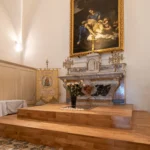
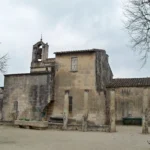
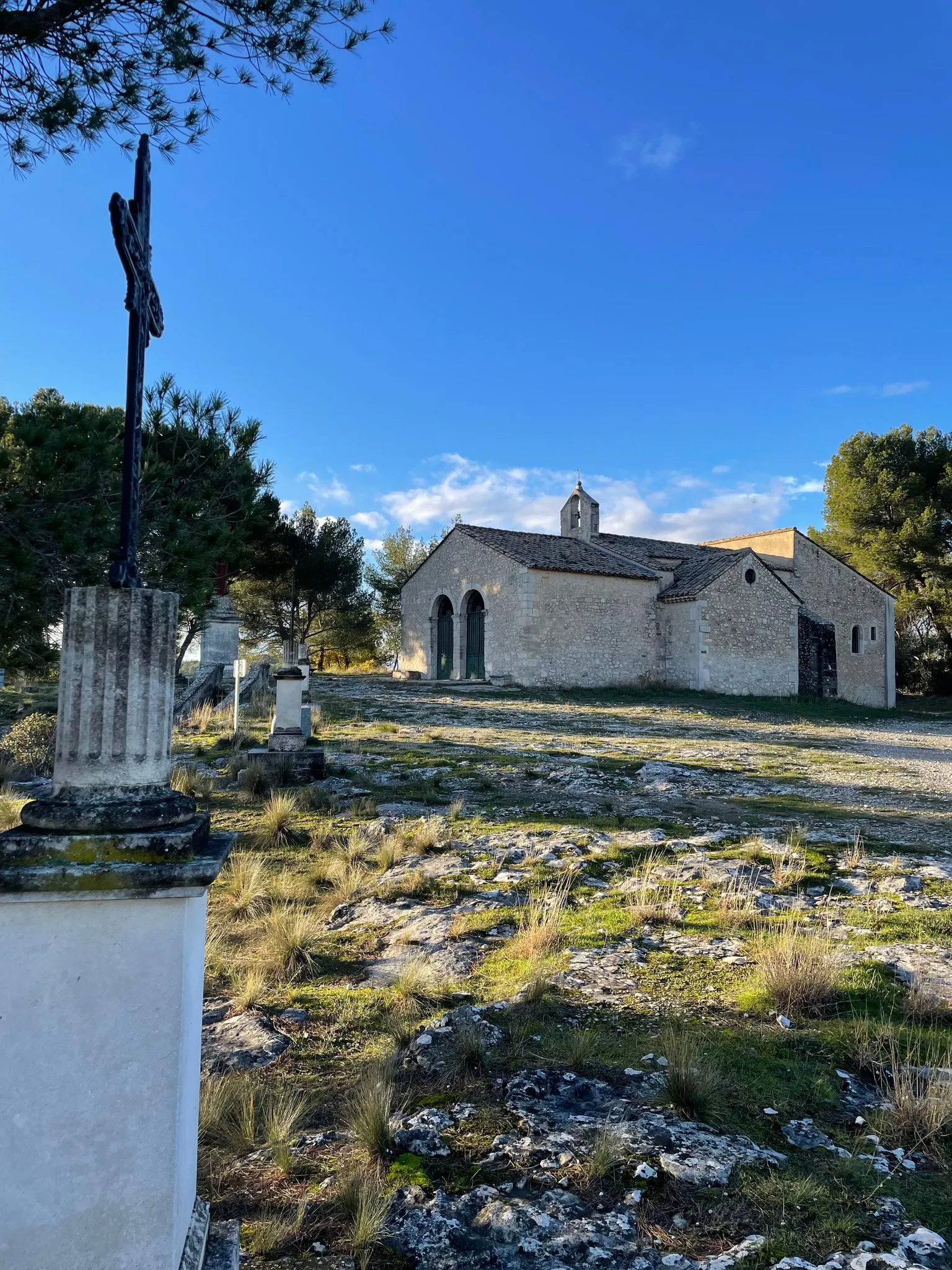
Installée sur le lieu même où fut établi le premier habitant novais, elle fut d'abord un simple ermitage de moines observantins. La nef de la chapelle, contigüe à l'ermitage fut construite en 1630, et agrandie en 1722 en exécution d'un vœu fait par les habitants de Noves lors de la grande peste de 1720-1721. Un pèlerinage en lien avec ce vœu se déroule toujours aujourd'hui (1er samedi de septembre). En 1832, l'abside fut construite puis au XIXème, ce fut le tour du narthex. L'intérieur de cette chapelle se visite uniquement pour les journées du Patrimoine. Devant l'édifice, est placée une grande croix-calvaire sur cippe, ornée d'un Christ : c'est la dernière station du chemin de croix. Les embases de pierre du chemin de croix vers Notre-Dame-de-Pitié ont été entièrement refaits en 2016. Le plus : En été, des concerts et spectacles sont organisés aux pieds de la colline et la chapelle sert alors de décor naturel et grandiose.
English
Located at the very place where the first residence in Noves was built, it was originally a simple hermitage for Observantine monks. The chapel nave, adjacent to the hermitage, was built in 1630 and extended in 1722 in accordance with the wishes of the inhabitants of Noves during the great Plague of 1720-1721. A pilgrimage linked to this wish still takes place today (first Saturday in September). The apse was built in 1832, followed by the narthex in the 19th century. The inside of the chapel can only be visited on Heritage Days.
In front of the building is large calvary cross standing on a cippus and decorated with a Christ; this is the last station on the Way of the Cross. All that remains of the Way of the Cross towards Notre-Dame-de-Pitié are the stone bases. During the summer, concerts and shows are organized at the foot of the hill and the chapel serves as a natural and grandiose setting.
Deutsch
Am gleichen Ort, wie einst die erste Behausung der Region Noves: Zuerst eine einfache Eremitage von Observantiner-Mönchen. Das Schiff der Kapelle, die an die Eremitage anschloss, wurde 1630 erbaut und 1722 erweitert, als das Gelöbnis der Einwohner von Noves während der großen Pest 1720-1721 erhört worden war. In Erinnerung an dieses Ereignis findet auch heute noch eine Wallfahrt statt (immer am 1. Samstag im September). 1832 wurde die Apside erbaut, und im 19. Jhd. entstand der Turm der Vorhalle (Narthex). Das Innere der Kapelle kann nur an den "Journées du Patrimoine" besichtigt werden.
Vor dem Gebäude steht ein großes Kalvarien-Kreuz mit der Christusfigur auf einem Cippus: Dies ist die letzte Station des Kreuzwegs. Vom Kreuzweg zur Notre-Dame-de-Pitié gibt es nur noch den steinigen Untergrund.
Dutch
Geplaatst op de plek waar de eerste inwoner van Noves zich vestigde, was het aanvankelijk een eenvoudige kluizenarij voor oplettende monniken. Het schip van de kapel, grenzend aan de hermitage, werd gebouwd in 1630, en vergroot in 1722 ter vervulling van een gelofte van de inwoners van Noves tijdens de grote pest van 1720-1721. Een bedevaart in verband met deze gelofte vindt nog steeds plaats (1e zaterdag van september). In 1832 werd de apsis gebouwd en in de 19e eeuw werd de narthex toegevoegd. Het interieur van deze kapel is alleen te bezichtigen op Open Monumentendagen. Voor het gebouw staat een groot kruisbeeld op een cippus, versierd met een Christus: het is de laatste statie van de kruisweg. De stenen sokkels van de kruisweg naar Onze-Lieve-Vrouw van Barmhartigheid zijn in 2016 volledig vernieuwd. De plus: In de zomer worden aan de voet van de heuvel concerten en voorstellingen georganiseerd en dient de kapel als natuurlijk en grandioos decor.
Español
Instalada en el mismo lugar donde se estableció el primer hábitat de Noves, primero fue una simple ermita de monjes observantes. La nave de la capilla, contigua a la ermita fue construida en 1630, y agrandada en 1722 cumpliendo el voto realizado por los habitantes de Noves durante la gran peste de 1720-1721. A día de hoy aún se sigue haciendo una peregrinación en relación con ese voto (1er sábado de septiembre). En 1832, se construyó el ábside y en el siglo XIX, fue el turno del nártex. El interior de esta capilla se visita únicamente durante las jornadas del Patrimonio.
Delante del edificio, está situada una gran cruz-calvario sobre cipo, decorada con un Cristo: es la última escena del Viacrucis. No quedan más que las bases de piedra del Viacrucis hacia Notre-Dame-de-Pitié.
Italiano
Installata sul luogo d'insediamento del primo habitat di Noves, fu dapprima un semplice eremo di monaci osservantini. La navata della cappella contigua all'eremo fu costruita nel 1630, ed estesa nel 1722 in esecuzione di un voto fatto dagli abitanti di Noves durante la grande peste del 1720-1721. Un pellegrinaggio legato al voto si svolge ancor oggi (1° sabato di settembre). Nel 1832, fu costruita l’abside, poi nel XIX secolo fu la volta del nartece. L'interno della cappella si visita solo in occasione delle Giornate del Patrimonio.
Davanti all'edificio, si trova una grande croce su cippo, con un Cristo: è l'ultima stazione della via crucis. Rimangono solo le basi di pietra della via crucis verso Notre-Dame-de-Pitié.
Roman
Equipements: Parking à proximité
Avenue Agricol Viala, 13550 Noves
Crédits: © Noves