Jérôme Game : Récit(s) – 09-10-2025 – Marseille 14e Arrondissement
My Tourisme > Evénements > Evénements Culturels > Jérôme Game : Récit(s) – 09-10-2025 – Marseille 14e Arrondissement
Description
English
Deutsch
Dutch
Español
Italiano
Description
Quelque part entre un Pirandello 5.0, un Borges numérique, et un Queneau illogique, quelque chose se détraque dans l’apprentissage que raconte la pièce. Interrogeant l’I.A. conversationnelle et ce qu’elle révèle, ce qu’elle fait à nos façons de (nous) raconter, RÉCIT(S) fait entendre un dialogue à plusieurs voix. Petit à petit, les positions se troublent, s’échangent et se combinent entre figures virtuelles et personnages apparemment réels, jusqu’à ce que ne demeure pleinement audible que l’élan d’un récit sériel échappant aux différents codages lancés à sa poursuite. Récits du quotidien, mais aussi politiques, érotiques, sociaux, médiatiques, artistiques : un ardent désir d’histoires y prolifère entre l’humain et la machine, détournant les stocks narratifs de celle-ci en autant d’occasions de réapprendre une langue, ses puissances de fabulation, d’en maintenir ouverte l’énergie vive, comme un antidote, comme en contre-champ à la standardisation des mots et des choses. Jérôme Game est un poète et écrivain français auteur d’une vingtaine d’ouvrages (recueils, livres-CD de poésie sonore, roman, essais, DVD de vidéopoèmes, pièces de théâtre, affiches) et d’œuvres plastiques à la croisées des arts visuels et de l’écriture (photopoésie, installations sonores et visuelles). Il lit souvent ses textes en public en France comme à l’étranger et collabore avec des artistes de la scène (Cyril Teste, David Wampach, Hubert Colas, Antoine Oppenheim et Sophie Cattani), de l’image (Valérie Kempeeners), et du son (DJ Chloé, Olivier Lamarche). Publiés dans de nombreuses revues, ses textes ont été traduits en plusieurs langues et fait l’objet d’adaptations radiophoniques, plastiques et scéniques.
English
Somewhere between a Pirandello 5.0, a nume?rique Borges and an illogical Queneau, something is unraveling in the apprenticeship recounted in this play. Questioning conversational A.I. and what it reveals, what it does to our ways of telling (ourselves) stories, RE?CIT(S) presents a multi-voiced dialogue. Little by little, positions become confused, shifting and combining between virtual figures and seemingly real characters, until all that remains fully audible is the outburst of a serial re?cit chipping away at the different codings launched in its pursuit. Stories of everyday life, but also political, erotic, social, mediatic and artistic ones: an ardent desire for stories proliferates between the human and the machine, turning the latter?s narrative stocks into so many opportunities to re-learn a language, its powers of fabulation, to keep its living energy open, like an antidote, like a counter-field to the standardization of words and things. Jérôme Game is a French poet and writer, author of some twenty books (collections, books-CD of sound poetry, novels, essays, DVDs of video poems, plays, posters) and visual works at the crossroads of the visual arts and writing (photopoetry, sound and visual installations). He often reads his texts in public in France and abroad, and collaborates with artists from the stage (Cyril Teste, David Wampach, Hubert Colas, Antoine Oppenheim and Sophie Cattani), image (Valérie Kempeeners) and sound (DJ Chloé, Olivier Lamarche). Published in numerous magazines, his texts have been translated into several languages and adapted for radio, the visual arts and the stage.
Deutsch
Irgendwo zwischen einem Pirandello 5.0, einem numetrischen Borges und einem unlogischen Queneau entzieht sich etwas dem Lernprozess, von dem das Stück erzählt. RE?CIT(S) hinterfragt die Konversations-KI und das, was sie bewirkt, was sie mit unserer Art zu erzählen macht, und bringt einen mehrstimmigen Dialog zu Gehör. Nach und nach werden die Positionen zwischen virtuellen Figuren und scheinbar realen Charakteren durcheinander gebracht, verändert und kombiniert, bis schließlich nur noch der Ausbruch eines seriellen Rezepts hörbar ist, das von den verschiedenen Codierungen, die zu seiner Verfolgung eingesetzt werden, unterbrochen wird. Der Wunsch nach Geschichten wächst zwischen Mensch und Maschine und deutet den narrativen Vorrat der Maschine als Gelegenheit, eine Sprache und ihre Fabulierkraft neu zu erlernen und ihre lebendige Energie offen zu halten, als Gegenmittel, als Gegenfeld zur Standardisierung von Wörtern und Dingen. Jérôme Game ist ein französischer Dichter und Schriftsteller, der etwa zwanzig Bücher (Gedichtbände, CD-Bücher mit Lautpoesie, Romane, Essays, DVDs mit Videopoems, Theaterstücke, Plakate) und plastische Werke an der Schnittstelle zwischen visueller Kunst und Schriftstellerei (Fotopoesie, Klang- und visuelle Installationen) verfasst hat. Er liest seine Texte häufig öffentlich in Frankreich und im Ausland vor und arbeitet mit Künstlern aus den Bereichen Bühne (Cyril Teste, David Wampach, Hubert Colas, Antoine Oppenheim und Sophie Cattani), Bild (Valérie Kempeeners) und Ton (DJ Chloé, Olivier Lamarche) zusammen. Seine Texte wurden in zahlreichen Zeitschriften veröffentlicht, in mehrere Sprachen übersetzt und für das Radio, die Kunst und die Bühne adaptiert.
Dutch
Ergens tussen een Pirandello 5.0, een nume?rique Borges en een onlogische Queneau, wordt er iets onthuld in de leertijd die in dit stuk wordt verteld. RE?CIT(S) bevraagt conversationele A.I. en wat het onthult, wat het doet met onze manieren om (onze) verhalen te vertellen, en laat ons een dialoog horen met verschillende stemmen. Beetje bij beetje raken de posities verward, verschuiven en combineren ze tussen virtuele figuren en schijnbaar echte personages, totdat het enige dat volledig hoorbaar blijft de uitbarsting is van een serieel verhaal dat de verschillende coderingen die in zijn achtervolging zijn gelanceerd, afbreekt. Verhalen uit het dagelijks leven, maar ook politieke, erotische, sociale, mediatorische en artistieke verhalen: een vurig verlangen naar verhalen tussen mensen en machines, die de narratieve voorraden van de laatste omvormen tot kansen om een taal en haar fabricatievermogen opnieuw te leren, om haar levende energie open te houden, als tegengif, als tegenveld tegen de standaardisering van woorden en dingen. Jérôme Game is een Franse dichter en schrijver, auteur van een twintigtal boeken (bundels, cd's met audiopoëzie, romans, essays, dvd's met videogedichten, toneelstukken en affiches) en visuele werken op het kruispunt van beeldende kunst en schrijven (fotopoëzie, geluids- en visuele installaties). Hij leest zijn teksten vaak voor in het openbaar in Frankrijk en in het buitenland en werkt samen met kunstenaars uit de podiumkunsten (Cyril Teste, David Wampach, Hubert Colas, Antoine Oppenheim en Sophie Cattani), de beeldende kunsten (Valérie Kempeeners) en de geluidskunst (DJ Chloé, Olivier Lamarche). Zijn teksten zijn gepubliceerd in verschillende tijdschriften, vertaald in verschillende talen en bewerkt voor radio, film en toneel.
Español
A medio camino entre un Pirandello 5.0, un Borges nume?rico y un Queneau ilógico, algo se revela en el aprendizaje relatado en esta obra. Cuestionando la Inteligencia Artificial conversacional y lo que revela, lo que hace a nuestras formas de contar (nuestras) historias, RE?CIT(S) nos permite escuchar un diálogo a varias voces. Poco a poco, las posiciones se confunden, cambiando y combinándose entre figuras virtuales y personajes aparentemente reales, hasta que todo lo que queda plenamente audible es el estallido de una historia en serie que va astillando las diferentes codificaciones lanzadas en su persecución. Historias de la vida cotidiana, pero también historias políticas, eróticas, sociales, mediáticas y artísticas: un ardiente deseo de historias entre los seres humanos y las máquinas, convirtiendo las existencias narrativas de estas últimas en oportunidades para reaprender un lenguaje y sus poderes de fabricación, para mantener abierta su energía viva, como antídoto, como contracampo a la estandarización de las palabras y las cosas. Jérôme Game es un poeta y escritor francés, autor de una veintena de libros (colecciones, CD de poesía sonora, novelas, ensayos, DVD de videopoemas, obras de teatro y carteles) y obras visuales en la encrucijada de las artes visuales y la escritura (fotopoesía, instalaciones sonoras y visuales). A menudo lee sus textos en público en Francia y en el extranjero, y colabora con artistas de las artes escénicas (Cyril Teste, David Wampach, Hubert Colas, Antoine Oppenheim y Sophie Cattani), las artes visuales (Valérie Kempeeners) y las artes sonoras (DJ Chloé, Olivier Lamarche). Publicados en varias revistas, sus textos han sido traducidos a varios idiomas y adaptados a la radio, el cine y el teatro.
Italiano
A metà strada tra un Pirandello 5.0, un Borges nume?rique e un Queneau illogico, qualcosa si rivela nell'apprendistato raccontato in questa pièce. Mettendo in discussione l'intelligenza artificiale conversazionale e ciò che rivela, ciò che fa al nostro modo di raccontare le (nostre) storie, RE?CIT(S) ci fa ascoltare un dialogo a più voci. A poco a poco, le posizioni si confondono, si spostano e si combinano tra figure virtuali e personaggi apparentemente reali, fino a quando tutto ciò che rimane pienamente udibile è lo sfogo di una storia seriale che si stacca dalle diverse codifiche lanciate al suo inseguimento. Storie di vita quotidiana, ma anche storie politiche, erotiche, sociali, mediatiche e artistiche: un desiderio ardente di storie tra esseri umani e macchine, che trasformano le scorte narrative di queste ultime in occasioni per reimparare un linguaggio e i suoi poteri di fabulazione, per mantenere aperta la sua energia viva, come antidoto, come controcampo alla standardizzazione delle parole e delle cose. Jérôme Game è un poeta e scrittore francese, autore di una ventina di libri (raccolte, CD di audio poesia, romanzi, saggi, DVD di video poesie, opere teatrali e manifesti) e di opere visive all'incrocio tra arti visive e scrittura (fotopoesia, installazioni sonore e visive). Legge spesso i suoi testi in pubblico, sia in Francia che all'estero, e collabora con artisti teatrali (Cyril Teste, David Wampach, Hubert Colas, Antoine Oppenheim e Sophie Cattani), artisti visivi (Valérie Kempeeners) e artisti del suono (DJ Chloé, Olivier Lamarche). Pubblicati in numerose riviste, i suoi testi sono stati tradotti in diverse lingue e adattati per la radio, il cinema e il palcoscenico.
13014, 13014 Marseille 14e Arrondissement
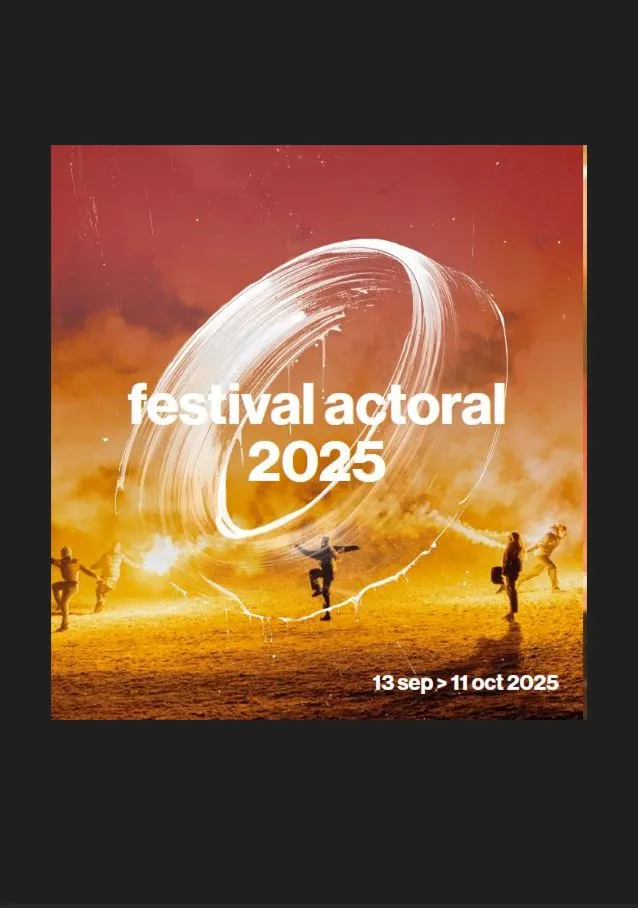
Crédits: DR-Festival Actoral