Gounouj – 10-12-2025 – Marseille 14e Arrondissement
My Tourisme > Evénements > Evénements Culturels > Gounouj – 10-12-2025 – Marseille 14e Arrondissement
Description
English
Deutsch
Dutch
Español
Italiano
Description
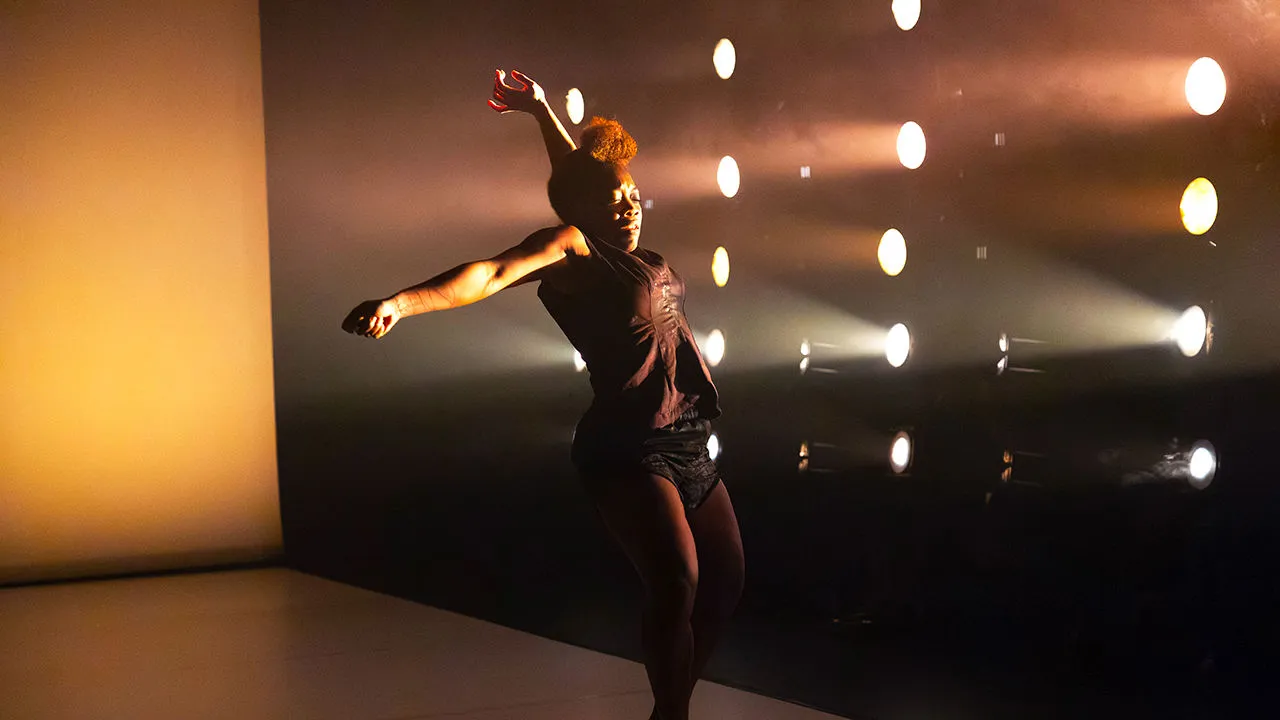
Gounouj – grenouille en créole – est un spectacle chorégraphique qui bondit au cœur d’un monde en mutation. Dans cette pièce pour quatre danseurs et danseuses, Léo Lérus célèbre la vie dans ce qu’elle a de plus instinctif et vulnérable.
Née d’un travail amorcé en pleine nature, sur le site protégé de Gros-Morne et Grande-Anse en Guadeloupe, Gounouj explore les liens subtils entre danse, émotions et environnement. Cette pièce cherche un état de groove, une résonance animale entre l’intériorité des interprètes et leur milieu. Une expérience sensorielle immersive où les sons et lumières réagissent aux frémissements des corps. Reliés par des connexions invisibles, semblables aux ramifications d’un rhizome, les corps s’unissent ou se singularisent. Mi-humains, mi-gounoujs, les danseurs et danseuses développent une chorégraphie organique qui souligne les variations subtiles de cet écosystème entre mélancolie, saudade et révolte…
De cette association jaillit une tension poétique à la croisée de la danse contemporaine et de la culture antillaise. Ni fable, ni documentaire Gounouj est une rencontre avec un geste chorégraphique à la fois sensible et engagé. Une danse hybride pleine de nuances, entre force et fragilité, ancrage et transformation, pour une véritable ode à la biodiversité.
English
Gounouj ? frog in Creole – is a choreographic performance that leaps to the heart of a changing world. In this piece for four dancers, Léo Lérus celebrates life at its most instinctive and vulnerable.
Gounouj was born of work begun in the heart of nature, on the protected site of Gros-Morne and Grande-Anse in Guadeloupe, and explores the subtle links between dance, emotions and the environment. The piece seeks a state of groove, an animal resonance between the performers? inner selves and their environment. An immersive sensory experience in which sound and light react to the quivering of bodies. Linked by invisible connections, similar to the ramifications of a rhizome, the bodies unite or singularize. Half-human, half-gounoujs, the dancers develop an organic choreography that underlines the subtle variations of this ecosystem between melancholy, saudade and revolt…
The result is a poetic tension at the crossroads of contemporary dance and West Indian culture. Neither fable nor documentary, Gounouj is an encounter with a choreographic gesture that is both sensitive and committed. A hybrid dance full of nuances, between strength and fragility, anchoring and transformation, for a true ode to biodiversity.
Deutsch
Gounouj ? Frosch auf Kreolisch – ist ein choreografisches Stück, das mitten ins Herz einer sich verändernden Welt springt. In diesem Stück für vier Tänzer und Tänzerinnen feiert Léo Lérus das Leben in seiner instinktivsten und verletzlichsten Form.
Gounouj entstand aus einer Arbeit in der freien Natur, im Naturschutzgebiet Gros-Morne und Grande-Anse auf Guadeloupe, und erkundet die subtilen Verbindungen zwischen Tanz, Emotionen und Umwelt. Das Stück sucht nach einem Zustand des Grooves, einer animalischen Resonanz zwischen der Innerlichkeit der Darsteller und ihrer Umgebung. Eine immersive Sinneserfahrung, bei der Klänge und Licht auf das Zittern der Körper reagieren. Die Körper sind durch unsichtbare Verbindungen miteinander verbunden, ähnlich den Verzweigungen eines Rhizoms, und vereinen oder vereinzeln sich. Die Tänzerinnen und Tänzer, die halb Mensch, halb Gounouj sind, entwickeln eine organische Choreographie, die die subtilen Variationen dieses Ökosystems zwischen Melancholie, Saudade und Revolte hervorhebt…
Aus dieser Verbindung entspringt eine poetische Spannung an der Schnittstelle zwischen zeitgenössischem Tanz und karibischer Kultur. Weder Fabel noch Dokumentarfilm Gounouj ist eine Begegnung mit einer choreografischen Geste, die zugleich sensibel und engagiert ist. Ein hybrider Tanz voller Nuancen, zwischen Stärke und Zerbrechlichkeit, Verankerung und Transformation, für eine wahre Ode an die Biodiversität.
Dutch
Gounouj ? kikker in het Creools – is een choreografische voorstelling die naar het hart van een veranderende wereld springt. In dit stuk voor vier dansers viert Léo Lérus het leven op zijn instinctiefst en kwetsbaarst.
Gounouj is ontstaan uit werk dat midden in de natuur is begonnen, op het beschermde terrein van Gros-Morne en Grande-Anse op Guadeloupe, en verkent de subtiele verbanden tussen dans, emoties en het milieu. Het stuk zoekt naar een staat van groove, een dierlijke resonantie tussen het innerlijke van de performers en hun omgeving. Een meeslepende zintuiglijke ervaring waarin geluid en licht reageren op het trillen van de lichamen. Verbonden door onzichtbare verbindingen, als de takken van een wortelstok, verenigen de lichamen zich of staan ze uit elkaar. Half-menselijk, half-gounoujs ontwikkelen de dansers een organische choreografie die de subtiele variaties van dit ecosysteem tussen melancholie, saudade en revolte onderstreept…
Het resultaat is een poëtische spanning op het kruispunt van hedendaagse dans en West-Indische cultuur. Noch fabel, noch documentaire, is Gounouj een ontmoeting met een choreografisch gebaar dat zowel gevoelig als geëngageerd is. Een hybride dans vol nuances, tussen kracht en kwetsbaarheid, verankering en transformatie, voor een ware ode aan de biodiversiteit.
Español
Gounouj ? rana en criollo – es un espectáculo coreográfico que salta al corazón de un mundo cambiante. En esta pieza para cuatro bailarines, Léo Lérus celebra la vida en su forma más instintiva y vulnerable.
Gounouj nace de un trabajo iniciado en plena naturaleza, en el paraje protegido de Gros-Morne y Grande-Anse, en Guadalupe, y explora los sutiles vínculos entre la danza, las emociones y el medio ambiente. La pieza busca un estado de groove, una resonancia animal entre el interior de los intérpretes y su entorno. Una experiencia sensorial inmersiva en la que el sonido y la luz reaccionan al temblor de los cuerpos. Unidos por conexiones invisibles, como las ramas de un rizoma, los cuerpos se unen o se separan. Mitad humanos, mitad gounoujs, los bailarines desarrollan una coreografía orgánica que subraya las sutiles variaciones de este ecosistema entre la melancolía, la saudade y la revuelta…
El resultado es una tensión poética en la encrucijada de la danza contemporánea y la cultura antillana. Ni fábula ni documental, Gounouj es el encuentro con un gesto coreográfico a la vez sensible y comprometido. Una danza híbrida llena de matices, entre fuerza y fragilidad, anclaje y transformación, para una verdadera oda a la biodiversidad.
Italiano
Gounouj – rana in creolo – è uno spettacolo coreografico che balza al cuore di un mondo che cambia. In questo pezzo per quattro danzatori, Léo Lérus celebra la vita nel suo aspetto più istintivo e vulnerabile.
Gounouj nasce da un lavoro iniziato nel cuore della natura, nel sito protetto di Gros-Morne e Grande-Anse in Guadalupa, ed esplora i sottili legami tra danza, emozioni e ambiente. L'opera cerca uno stato di groove, una risonanza animale tra l'io interiore degli interpreti e l'ambiente circostante. Un'esperienza sensoriale immersiva in cui il suono e la luce reagiscono al fremito dei corpi. Legati da connessioni invisibili, come i rami di un rizoma, i corpi si uniscono o si separano. Per metà umani e per metà gounoujs, i danzatori sviluppano una coreografia organica che sottolinea le sottili variazioni di questo ecosistema tra malinconia, saudade e rivolta…
Il risultato è una tensione poetica all'incrocio tra danza contemporanea e cultura delle Indie Occidentali. Né favola né documentario, Gounouj è un incontro con un gesto coreografico sensibile e impegnato. Una danza ibrida ricca di sfumature, tra forza e fragilità, ancoraggio e trasformazione, per un vero e proprio inno alla biodiversità.
Clientèle: Familles
13014, 13014 Marseille 14e Arrondissement
Crédits: Laurent Philippe