Exposition "Avec ou sans sel ?" – 18-10-2024 – Arles
My Tourisme > Evénements > Evénements Culturels > Exposition "Avec ou sans sel ?" – 18-10-2024 – Arles
Description
English
Deutsch
Dutch
Español
Italiano
Description
Le delta du Rhône s'est formé au fil du temps par les apports sédimentaire que le fleuve a déposé sur le plateau continental et gagné sur la mer. Aussi, le sol y est naturellement salé. Un équilibre environnemental naturel existait lorsque les crues du fleuve lessivaient le sol en l'inondant. L'endiguement total de la Camargue s'il a permis de protéger la Camargue des inondations a interrompu ce fonctionnement naturel. Depuis 1860, des systèmes d'irrigation dotés de pompes supléent l'inondation en parcourant l'île de la Camargue de part n part pour y apporter l'eau douce. La maîtrise des eaux douces, salées ou saumâtres obtenue depuis le XIXème siècl et remise en question par les évolutions du climat qui assèchent le sol du delta. La pluviométrie diminue, le débit du Rhône baisse, les sols salés demandent aux activités humaines de s'adapter et de se réinventer pour perdurer.
English
The Rhône delta was formed over time by the sedimentary deposits that the river deposited on the continental shelf and gained from the sea. As a result, the soil is naturally salty. A natural environmental balance existed when the river's floods washed out the soil. Total dyking of the Camargue, while protecting it from flooding, has interrupted this natural balance. Since 1860, irrigation systems equipped with pumps have supplemented the flooding by criss-crossing the Camargue island to bring in fresh water. The control of fresh, salt and brackish water achieved since the 19th century has been called into question by climate change, which is drying out the delta soil. Rainfall is falling, the flow of the Rhône is decreasing, and the salty soils require human activities to adapt and reinvent themselves in order to survive.
Deutsch
Das Rhône-Delta entstand im Laufe der Zeit durch die Sedimentablagerungen, die der Fluss auf dem Kontinentalschelf abgelagert und vom Meer gewonnen hat. Daher ist der Boden hier von Natur aus salzig. Ein natürliches Umweltgleichgewicht bestand, wenn die Fluten des Flusses den Boden auslaugten, indem sie ihn überschwemmten. Die vollständige Eindeichung der Camargue hat zwar die Camargue vor Überschwemmungen geschützt, aber diese natürliche Funktion unterbrochen. Seit 1860 ergänzen Bewässerungssysteme mit Pumpen die Überschwemmungen, indem sie Süßwasser über die Camargue-Insel leiten. Die seit dem 19. Jahrhundert erreichte Kontrolle über Süß-, Salz- und Brackwasser wird durch den Klimawandel in Frage gestellt, der den Boden des Deltas austrocknen lässt. Die Niederschläge nehmen ab, die Rhône führt weniger Wasser und die salzigen Böden verlangen von den menschlichen Aktivitäten, sich anzupassen und sich neu zu erfinden, um fortbestehen zu können.
Dutch
De Rhône-delta is in de loop der tijd gevormd door de sedimentaire afzettingen die de rivier afzette op het continentaal plat en aan de zee onttrok. Hierdoor is de bodem van nature zout. Er bestond een natuurlijk ecologisch evenwicht toen de rivier de bodem wegspoelde. De volledige indijking van de Camargue heeft de Camargue weliswaar beschermd tegen overstromingen, maar heeft dit natuurlijke evenwicht verstoord. Sinds 1860 vullen irrigatiesystemen met pompen de overstromingen aan door kriskras over het eiland de Camargue zoet water aan te voeren. De beheersing van zoet, zout en brak water die sinds de 19e eeuw is bereikt, is op losse schroeven komen te staan door veranderingen in het klimaat, waardoor de bodem in de delta uitdroogt. De regenval neemt af, het debiet van de Rhône neemt af en de zoute bodems vereisen dat menselijke activiteiten zich aanpassen en opnieuw uitvinden om te overleven.
Español
El delta del Ródano se formó con el tiempo gracias a los depósitos sedimentarios que el río depositó en la plataforma continental y ganó al mar. Por ello, el suelo es salino por naturaleza. Existía un equilibrio medioambiental natural cuando las crecidas del río lavaban el suelo. El dique completo de la Camarga, aunque la ha protegido de las inundaciones, ha interrumpido este equilibrio natural. Desde 1860, los sistemas de riego equipados con bombas han complementado las inundaciones atravesando la isla de Camarga para aportar agua dulce. El control de las aguas dulces, saladas y salobres conseguido desde el siglo XIX se ha puesto en entredicho por los cambios climáticos, que están secando el suelo del delta. Las precipitaciones disminuyen, el caudal del Ródano se reduce y los suelos salinos obligan a las actividades humanas a adaptarse y reinventarse para sobrevivir.
Italiano
Il delta del Rodano si è formato nel tempo grazie ai depositi sedimentari che il fiume ha depositato sulla piattaforma continentale e ha guadagnato dal mare. Di conseguenza, il terreno è naturalmente salato. Quando le piene del fiume dilavano il suolo, esisteva un equilibrio ambientale naturale. Il completo interramento della Camargue, pur avendo protetto la Camargue dalle inondazioni, ha interrotto questo equilibrio naturale. Dal 1860, i sistemi di irrigazione dotati di pompe hanno integrato le inondazioni attraversando l'isola della Camargue per apportare acqua dolce. Il controllo delle acque dolci, salate e salmastre raggiunto dal XIX secolo è stato messo in discussione dai cambiamenti climatici, che stanno inaridendo il suolo del delta. Le precipitazioni diminuiscono, la portata del Rodano si riduce e i terreni salati costringono le attività umane ad adattarsi e a reinventarsi per sopravvivere.
Mas du Pont de Rousty, 13200 Arles
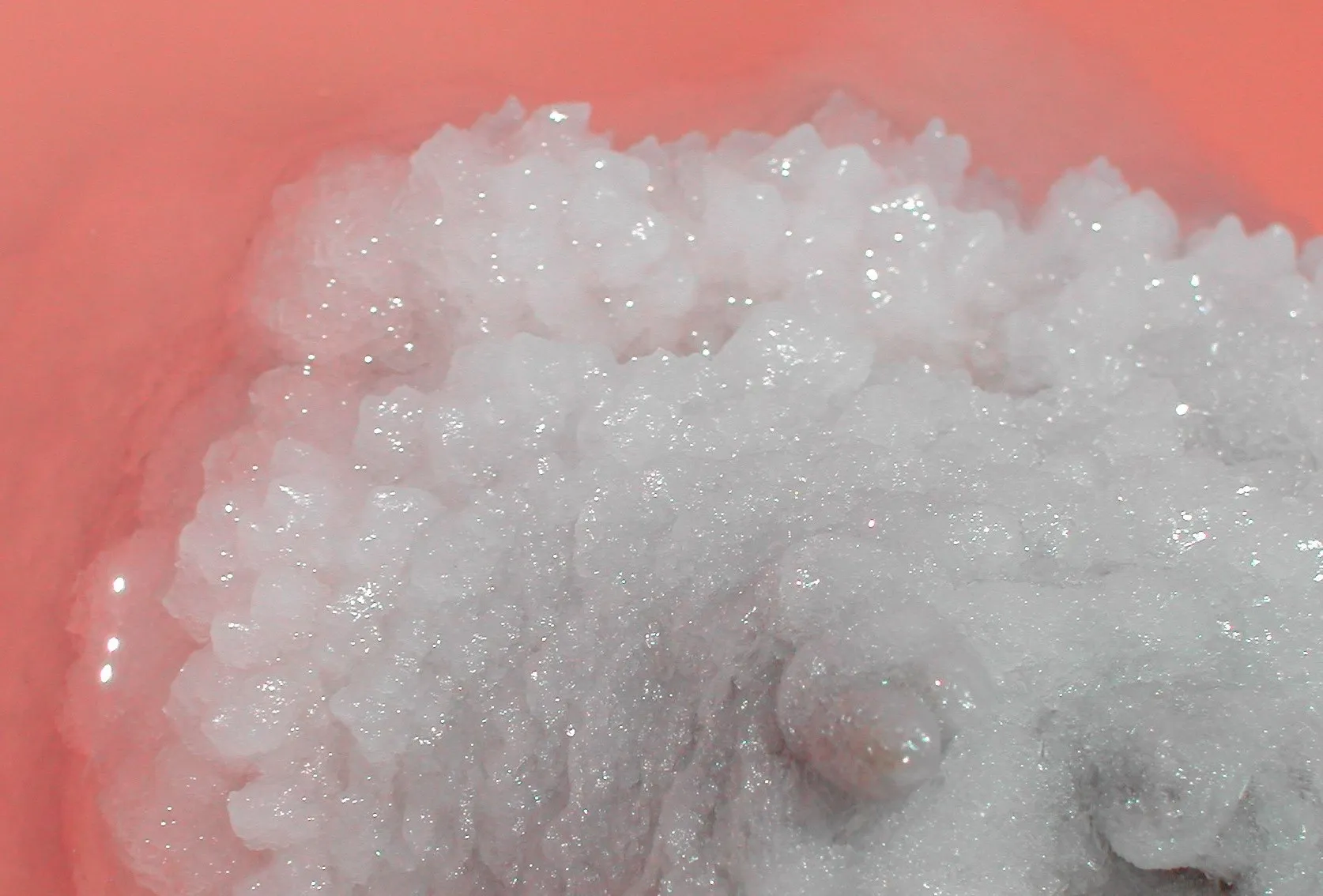
Crédits: Musée de la Camargue
Publications similaires :
 LUMA Arles / Exposition : Danse avec les démons – 07-07-2025 – Arles
  LUMA Arles / Exposition : Archives Hans Ulrich Obrist – Chapitre 5 : Maria Lassnig « Vivre avec l’art empêche de se faner ! » – 07-07-2025 – Arles
  LUMA Arles / Exposition : "Sensing the Future: Experiments in Art and Technology (E.A.T.)" – 07-07-2025 – Arles
  Arles avec un guide sur les pas de Van Gogh – 01-01-2024 – Arles