Boucle de Petit-Bersac – Petit-Bersac
Description
English
Deutsch
Dutch
Español
Italiano
Description
Boucle Pdipr de Petit-Bersac
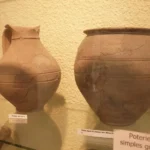
La commune de Petit-Bersac conserve de nombreuses traces d’une activité importante dès l’époque gallo-romaine et mérovingienne, notamment une villa, des fosses à offrandes, des puits funéraires, un aqueduc.
Le village est ensuite la propriété des Hospitaliers, dont la présence est très marquée dans la région.
De nombreuses demeures attestent de la prospérité de la ville au XIXe siècle.
English
The commune of Petit-Bersac preserves many traces of an important activity from the Gallo-Roman and Merovingian periods, in particular a villa, offering pits, funerary wells and an aqueduct.
The village then became the property of the Hospitallers, whose presence is very marked in the region.
Numerous residences attest to the prosperity of the town in the 19th century.
Deutsch
Die Gemeinde Petit-Bersac bewahrt zahlreiche Spuren einer bedeutenden Aktivität seit der gallo-römischen und merowingischen Epoche, darunter eine Villa, Opfergruben, Grabbrunnen und ein Aquädukt.
Das Dorf war später im Besitz der Hospitaliter, deren Präsenz in der Region sehr ausgeprägt war.
Zahlreiche Wohnhäuser zeugen vom Wohlstand des Ortes im 19.
Dutch
De gemeente Petit-Bersac bewaart vele sporen van een belangrijke activiteit uit de Gallo-Romeinse en Merovingische periode, met name een villa, offerputten, grafputten en een aquaduct.
Het dorp werd vervolgens eigendom van de Hospitaalridders, wier aanwezigheid in de streek zeer uitgesproken is.
Talrijke woningen getuigen van de welvaart van de stad in de 19e eeuw.
Español
El municipio de Petit-Bersac conserva numerosos vestigios de una importante actividad de la época galo-romana y merovingia, en particular una villa, fosas de ofrendas, pozos funerarios y un acueducto.
El pueblo pasó entonces a ser propiedad de los Hospitalarios, cuya presencia es muy marcada en la región.
Numerosas residencias atestiguan la prosperidad de la ciudad en el siglo XIX.
Italiano
Anello Pdipr a Petit-Bersac
Il villaggio di Petit-Bersac contiene numerose tracce di attività significative del periodo gallo-romano e merovingio, tra cui una villa, fosse per le offerte, pozzi funerari e un acquedotto.
Il villaggio divenne poi proprietà degli Ospitalieri, che avevano una presenza molto forte nella regione.
Numerosi palazzi testimoniano la prosperità della città nel XIX secolo.
Faune - flore - Histoire - Environnement et nature - Plante et fleur
Clientèle: Randonneurs - Marcheurs
Classement: Plan Départemental des Itinéraires de Promenade et de Randonnée, PDIPR
Type: En boucle
Distance: 11500.0
le bourg, 24600 Petit-Bersac

Crédits: ©CRA