Journées Européennes du Patrimoine au Château de Larnagol – Larnagol
Description
English
Deutsch
Dutch
Español
Italiano
Description
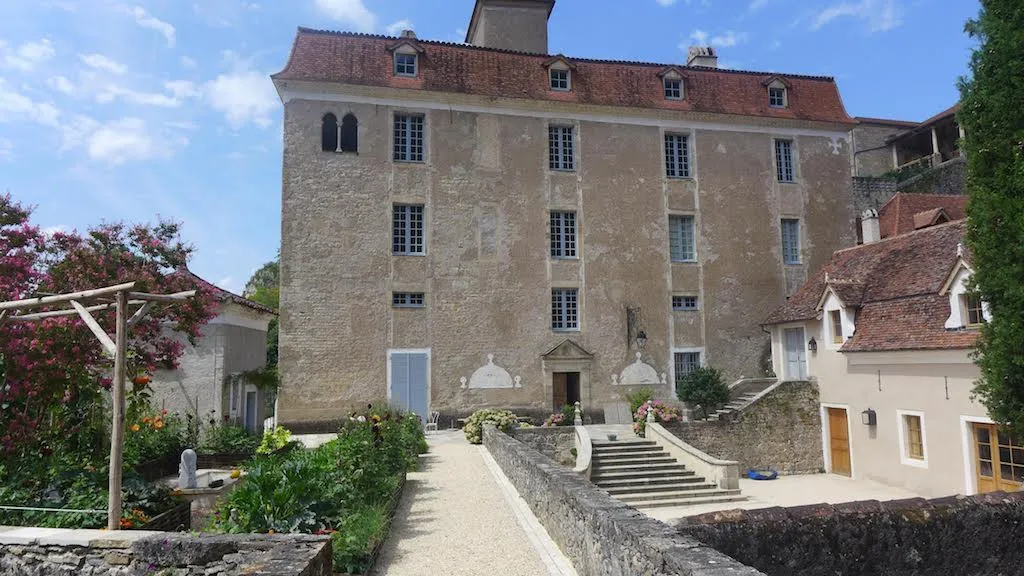
A l'Occasion des Journées du Patrimoine, les propriétaires du Château de Larnagol vous propose la découverte de ce monument historique. Edifié sur un éperon rocheux dominant le Lot, le château niché au centre du village est une place forte défensive dès le XIIe siècle. Le fief, d’abord propriété de Bertrand de Cardaillac, est transmis au début du XIIIe siècle aux Barasc puis par mariage à Raymond de Caussade. En 1638, Pierre de LAPORTE acquiert le Château en mauvais état. Ses descendants ayant développé leur fortune dans l’administration fiscale royale, façonnent l’image de la maison et des jardins. Ils la conserveront jusqu’en 1840. Raymond SUBES, ferronnier d’art de la première moitié du XXième, y a séjourné pendant 50 ans.
La totalité des bâtiments et des jardins sont inscrits au titre des Monuments Historiques.
English
On the occasion of the Heritage Days, the owners of Larnagol Castle offer you the opportunity to discover this historical monument. Built on a rocky spur overlooking the Lot, the castle nestling in the centre of the village has been a defensive stronghold since the 12th century. The fief, first owned by Bertrand de Cardaillac, was passed on to the Barasc family at the beginning of the 13th century, then by marriage to Raymond de Caussade. In 1638, Pierre de LAPORTE acquires the Château in a poor state of repair. His descendants, having developed their fortune in the royal tax administration, shaped the image of the house and gardens. They will keep it until 1840. Raymond SUBES, an ironworker of art from the first half of the 20th century, stayed there for 50 years.
All the buildings and gardens are listed as Historic Monuments.
Deutsch
Anlässlich der Tage des Kulturerbes laden die Eigentümer des Schlosses Larnagol Sie ein, dieses historische Bauwerk zu entdecken. Das auf einem Felsvorsprung über dem Lot errichtete Schloss im Zentrum des Dorfes war seit dem 12. Jahrhundert eine Verteidigungsfestung. Das Lehen, das zunächst Bertrand de Cardaillac gehörte, ging Anfang des 13. Jahrhunderts an die Barasc und später durch Heirat an Raymond de Caussade über. Im Jahr 1638 erwarb Pierre de LAPORTE das Schloss, das sich in einem schlechten Zustand befand. Seine Nachkommen, die ihr Vermögen in der königlichen Steuerverwaltung aufgebaut hatten, prägten das Bild des Hauses und der Gärten. Sie behielten es bis 1840. Raymond SUBES, ein Kunstschmied aus der ersten Hälfte des 20. Jahrhunderts, wohnte 50 Jahre lang in dem Haus.
Das gesamte Gebäude und die Gärten sind als historisches Monument eingetragen.
Dutch
Ter gelegenheid van de Open Monumentendagen bieden de eigenaars van het Château de Larnagol u de gelegenheid dit historische monument te ontdekken. Het kasteel in het centrum van het dorp, gebouwd op een rotsachtige uitloper met uitzicht op de Lot, was een verdedigingsbolwerk uit de 12e eeuw. Het leengoed, eerst eigendom van Bertrand de Cardaillac, ging in het begin van de 13e eeuw over naar de familie Barasc en vervolgens door huwelijk naar Raymond de Caussade. In 1638 kocht Pierre de LAPORTE het kasteel in slechte staat van onderhoud. Zijn nakomelingen, die hun fortuin ontwikkelden in de koninklijke belastingdienst, gaven vorm aan het beeld van het huis en de tuinen. Ze hielden het tot 1840. Raymond SUBES, een ijzerwerker uit de eerste helft van de 20e eeuw, verbleef er 50 jaar.
Alle gebouwen en tuinen staan op de monumentenlijst.
Español
Con motivo de las Jornadas del Patrimonio, los propietarios del castillo de Larnagol le ofrecen la oportunidad de descubrir este monumento histórico. Construido sobre un espolón rocoso que domina el Lot, el castillo enclavado en el centro del pueblo es una fortaleza defensiva desde el siglo XII. El feudo, primero propiedad de Bertrand de Cardaillac, pasó a la familia Barasc a principios del siglo XIII, y luego por matrimonio a Raymond de Caussade. En 1638, Pierre de LAPORTE adquirió el castillo en mal estado. Sus descendientes, tras desarrollar su fortuna en la administración fiscal real, dieron forma a la imagen de la casa y los jardines. Lo mantuvieron hasta 1840. Raymond SUBES, ferretero de la primera mitad del siglo XX, permaneció allí durante 50 años.
Todos los edificios y jardines están catalogados como Monumentos Históricos.
Italiano
In occasione delle Giornate del Patrimonio, i proprietari dello Château de Larnagol vi offrono la possibilità di scoprire questo monumento storico. Costruito su uno sperone roccioso che domina il Lot, il castello situato al centro del villaggio è stato una roccaforte difensiva fin dal XII secolo. Il feudo, prima proprietà di Bertrand de Cardaillac, passò all'inizio del XIII secolo alla famiglia Barasc, poi per matrimonio a Raymond de Caussade. Nel 1638, Pierre de LAPORTE acquistò il castello in cattivo stato di conservazione. I suoi discendenti, dopo aver sviluppato la loro fortuna nell'amministrazione fiscale reale, hanno plasmato l'immagine della casa e dei giardini. La tennero fino al 1840. Raymond SUBES, operaio del ferro della prima metà del XX secolo, vi rimase per 50 anni.
Tutti gli edifici e i giardini sono classificati come monumenti storici.
Moyens de paiement: Carte bleue - Espèce - Chèque
Le Bourg, 46160 Larnagol
Crédits: chateau larnagol