Identification et écologie acoustique des Chiroptères, niveau 3 – Mézières-en-Brenne
My Tourisme > Sports et Loisirs > Identification et écologie acoustique des Chiroptères, niveau 3 – Mézières-en-Brenne
Description
English
Deutsch
Dutch
Español
Italiano
Description
L’étude des chiroptères grâce à l’acoustique est désormais une pratique généralisée. En écho
à la pensée dominante qui privilégie le quantitatif au qualitatif et la démission de l’analyse sensorielle face à la puissance de l’analyse informatique, les systèmes entièrement automatisés imposent leurs règles à l’ouvrier de la chaîne naturaliste. Ces formations à l’écologie acoustique, tout au long d’une progression en trois niveaux, proposent à chacun de se réapproprier ses capacités d’analyse et d’interprétation. En décodant au mieux les informations contenues dans les émissions sonores des chiroptères, un observateur est capable d’identifier jusqu’à l’espèce une majorité des contacts acoustiques directement sur le terrain, grâce aux techniques de l’hétérodyne et de l’expansion de temps…
English
The study of chiropterans using acoustics is now widespread practice. Echoing
to the prevailing thinking that favors the quantitative over the qualitative, and the resignation of sensory analysis in the face of the power of computer analysis, fully automated systems are imposing their rules on the worker on the naturalist production line. These courses in acoustic ecology, which follow a three-level progression, enable each participant to re-appropriate his or her analytical and interpretative skills. By decoding the information contained in chiropteran sound emissions, an observer is able to identify the majority of acoustic contacts directly in the field, right down to the species, thanks to the techniques of heterodyning and time expansion…
Deutsch
Die akustische Untersuchung von Fledermäusen ist mittlerweile eine gängige Praxis. Als Echo
der vorherrschenden Meinung, die das Quantitative dem Qualitativen vorzieht, und der Resignation der sensorischen Analyse gegenüber der Macht der Computeranalyse, zwingen vollautomatische Systeme dem Arbeiter am naturalistischen Fließband ihre Regeln auf. Diese Kurse in akustischer Ökologie, die sich über drei Stufen erstrecken, bieten jedem die Möglichkeit, sich seine Analyse- und Interpretationsfähigkeiten wieder anzueignen. Durch die optimale Entschlüsselung der Informationen, die in den Geräuschen der Chiroptera enthalten sind, ist ein Beobachter in der Lage, die meisten akustischen Kontakte direkt im Feld bis zur Art zu identifizieren, indem er die Techniken der Heterodynie und der Zeitexpansi
Dutch
Het bestuderen van chiroptera met behulp van akoestiek is nu een wijdverbreide praktijk. Echo
naar het heersende denken dat de voorkeur geeft aan het kwantitatieve boven het kwalitatieve en de berusting van zintuiglijke analyse tegenover de kracht van computeranalyse, leggen volledig geautomatiseerde systemen hun regels op aan de arbeider aan de productielijn van naturalisten. Deze training in akoestische ecologie, die verdeeld is in drie niveaus, is ontworpen om je te helpen je analytische en interpretatieve vaardigheden opnieuw toe te passen. Door de informatie in de geluidsemissies van chiroptera zo goed mogelijk te decoderen, kunnen waarnemers de meeste akoestische contacten direct in het veld identificeren, tot op de soort, met behulp van heterodyne en tijdsexpansietechnieken…
Español
El estudio de los quirópteros mediante la acústica es una práctica muy extendida en la actualidad. Haciéndose eco
al pensamiento dominante que privilegia lo cuantitativo sobre lo cualitativo y la resignación del análisis sensorial frente al poder del análisis informático, los sistemas totalmente automatizados imponen sus reglas al trabajador de la cadena de producción naturalista. Este curso de formación en ecología acústica, dividido en tres niveles, está diseñado para ayudarle a reapropiarse de sus capacidades analíticas e interpretativas. Descodificando lo mejor posible la información contenida en las emisiones sonoras de los quirópteros, los observadores son capaces de identificar directamente sobre el terreno la mayoría de los contactos acústicos, hasta la especie, mediante técnicas
Italiano
Lo studio dei chirotteri attraverso l'acustica è ormai una pratica diffusa. Facendo eco
al pensiero dominante che privilegia il quantitativo sul qualitativo e alla rassegnazione dell'analisi sensoriale di fronte alla potenza dell'analisi computerizzata, sistemi completamente automatizzati stanno imponendo le loro regole all'operaio della catena di produzione naturalistica. Questo corso di formazione in ecologia acustica, suddiviso in tre livelli, è pensato per aiutarvi a riappropriarvi delle vostre capacità analitiche e interpretative. Decodificando nel modo più efficace possibile le informazioni contenute nelle emissioni sonore dei chirotteri, gli osservatori sono in grado di identificare direttamente sul campo la maggior parte dei contatti acustici, fino alla specie, utilizzando tecnich
Faune - flore
Moyens de paiement: Espèce - Chèque
Equipements: Parking
Bellebouche, 36290 Mézières-en-Brenne
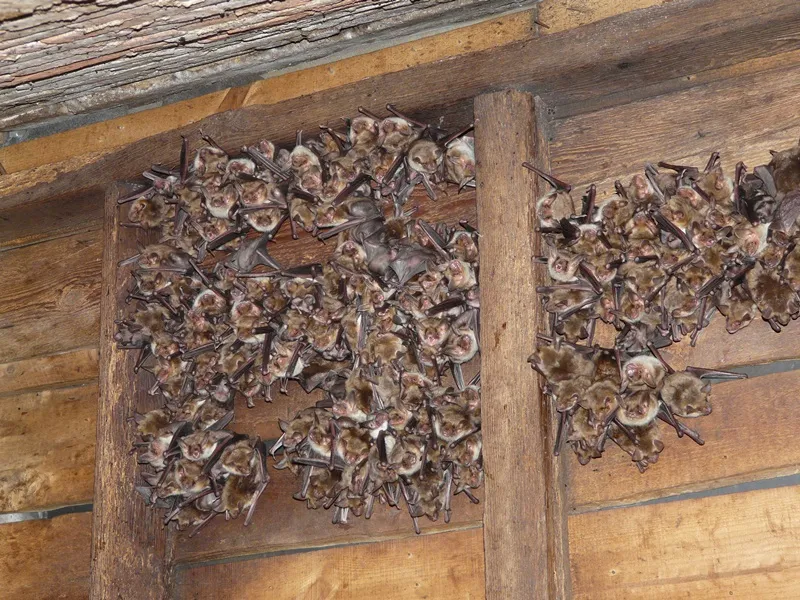
Crédits: © Vincent NICOLAS - CPIE Brenne-Berry
Publications similaires :
 Identification et écologie acoustique des Chiroptères,niveau 1: phase auditive – Mézières-en-Brenne
  Identification et écologie acoustique des Chiroptères, niveau 2 – Mézières-en-Brenne
  Identification et écologie acoustique des Chiroptères, niveau 3 – Lureuil
  Mézières-en-Brenne, capitale de la Brenne – Mézières-en-Brenne