Prahecq – Prahecq
Description
English
Deutsch
Dutch
Español
Italiano
Description
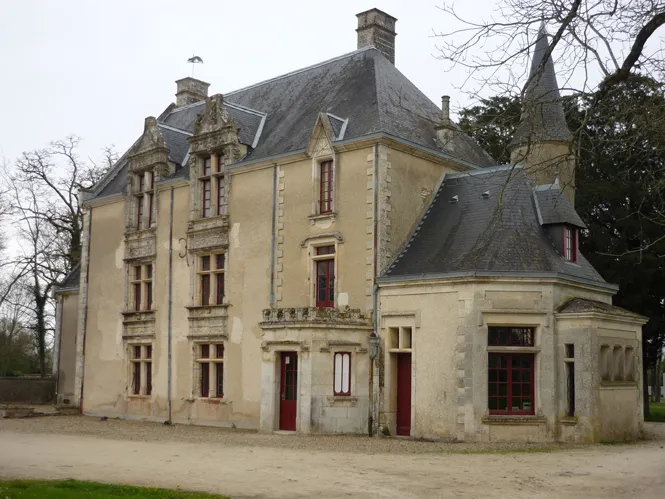
Prahecq est représentatif des territoires de transition entre l’habitat groupé des Charentes et celui dispersé des pays bocagers de l’ouest. Son nom découle soit de Pratius, un riche notable picton, soit de pratium signifiant pré humide inondable. Le château, érigé au XIè s., appartient à Hugues de Lusignan. Il est pris en 1242 par Alphonse de Poitiers, frère de St Louis, puis rasé en partie pour mater son propriétaire, alors à la tête des barons poitevins révoltés contre le roi. Ne subsistent aujourd’hui que des bâtiments transformés de 1843 à 1954. La commune est la patrie de Vanda Houmeau, épouse d’Ernest Pérochon, le premier Prix Goncourt des Deux-Sèvres. La commune connaît un fort développement économique grâce à l’implantation d’entreprises sur la zone artisanale. A voir : église St-Maixent, château de la Voûte, butte du Peu, croix de cimetière et Fosse de Paix (puits artésien).
English
Prahecq is representative of the transitional territories between the grouped habitat of the Charentes and that dispersed from the bocager countries of the west. Its name derives either from Pratius, a notable rich Picton, or from practice signifying wetland wetland. The castle, built in the 11th century, belongs to Hugues de Lusignan. He was taken in 1242 by Alphonse de Poitiers, brother of St Louis, then shaved in part to restrain his owner, then at the head of the barons Poitevins revolted against the king. Today there are only converted buildings from 1843 to 1954. The town is the home of Vanda Houmeau, wife of Ernest Pérochon, the first Prix Goncourt of the Deux-Sèvres. The municipality is experiencing strong economic development thanks to the establishment of businesses. To see: St-Maixent church, castle of the Vault, butte du peu, cemetery cross and Fosse de Paix (artesian well).
Deutsch
Prahecq ist ein typisches Beispiel für den Übergang zwischen den dichten Siedlungen der Charentes und den verstreuten Siedlungen der westlichen Heckenlandschaften. Sein Name leitet sich entweder von Pratius, einem reichen pictonischen Notar, oder von pratium für feuchte, überschwemmungsgefährdete Wiesen ab. Die Burg wurde im 11. Jahrhundert errichtet und gehörte Hugues de Lusignan. Im Jahr 1242 wurde sie von Alphonse de Poitiers, dem Bruder des Heiligen Ludwig, eingenommen und anschließend teilweise dem Erdboden gleichgemacht, um ihren Besitzer, der damals an der Spitze der gegen den König aufbegehrenden Barone des Poitou stand, auszuschalten. Heute sind nur noch die Gebäude erhalten, die von 1843 bis 1954 umgebaut wurden. Die Gemeinde ist die Heimat von Vanda Houmeau, der Ehefrau von Ernest Pérochon, dem ersten Goncourt-Preisträger des Departements Deux-Sèvres. Die Gemeinde erlebt dank
Dutch
Prahecq is representatief voor de overgangsgebieden tussen de gegroepeerde habitat van de Charentes en de verspreide habitat van de bocagelanden in het westen. De naam is afgeleid van Pratius, een rijke edelman uit Picton, of van pratium, wat een natte, overstroomde weide betekent. Het kasteel, gebouwd in de 11e eeuw, behoorde toe aan Hugues de Lusignan. Het werd in 1242 ingenomen door Alphonse de Poitiers, broer van Saint Louis, en vervolgens gedeeltelijk met de grond gelijk gemaakt om de eigenaar te onderwerpen, die toen aan het hoofd stond van de Poitevin baronnen in opstand tegen de koning. Alles wat nu nog overblijft zijn de gebouwen die tussen 1843 en 1954 werden verbouwd. In de gemeente woont Vanda Houmeau, echtgenote van Ernest Pérochon, de eerste winnaar van de Goncourtprijs uit Deux-Sèvres. De gemeente heeft een sterke economische ontwikkeling doorgemaakt dankzij de vestiging v
Español
Prahecq es representativo de los territorios de transición entre el hábitat agrupado de los carros y el dispersado de los países bocagers del oeste. Su nombre proviene de Pratius, un rico notable picton, o de pratium que significa pre-húmedo inundable. El castillo, erigido en el siglo XIX, pertenece a Hughes de Lusignan. Fue capturado en 1242 por Alphonse de Poitiers, hermano de San Luis, y luego se afeitó parcialmente para ver a su propietario, entonces a la cabeza de los barones poitevins rebelados contra el rey. Hoy en día sólo quedan edificios transformados. La comuna es la patria de vanda houmeau, esposa de Ernest pérochon, el primer premio Goncourt des Deux-sèvres. El municipio experimenta un fuerte desarrollo económico gracias a la implantación de empresas. A ver: iglesia de San Martín, castillo de la bóveda, colina del Poco, cruz de cementerio y Fosa de Paz (pozo artesiano).
Italiano
Prahecq è rappresentativo dei territori di transizione tra l'habitat raggruppato delle Charentes e l'habitat disperso dei paesi bocage dell'ovest. Il suo nome deriva da Pratius, un ricco nobile di Picton, o da pratium, che significa prato umido e allagato. Il castello, costruito nell'XI secolo, apparteneva a Hugues de Lusignan. Fu conquistata nel 1242 da Alfonso di Poitiers, fratello di San Luigi, e poi in parte rasa al suolo per sottomettere il suo proprietario, che allora era a capo dei baroni poitiani in rivolta contro il re. Oggi rimangono solo gli edifici trasformati tra il 1843 e il 1954. Il comune è la patria di Vanda Houmeau, moglie di Ernest Pérochon, il primo vincitore del Prix Goncourt delle Deux-Sèvres. Il comune ha conosciuto un forte sviluppo economico grazie all'insediamento di aziende nella zona artigianale. Da vedere: chiesa di St-Maixent, castello della Voûte, butte du Peu, croce del cimitero e Fosse de Paix (pozzo artesiano).