Les Remparts de Carignan – Carignan
Description
English
Deutsch
Dutch
Español
Italiano
Description
Yvois a été fortifié dès l’époque gallo-romaine. Ville frontière du St Empire romain germanique, Charles Quint l’entoure au XVIe siècle d’une enceinte fortifiée avec des casemates toujours existantes. En 1639, Louis XIII rase la ville. Devenue française en 1659 et rebaptisée Carignan, Louis XIV la dote d’une ceinture de remparts dont il subsiste de nombreux éléments : bastions, murailles et un corps de garde récemment restauré. L’ensemble a été classé en 1994.
English
Yvois has been fortified since the Gallo-Roman period. As a border town of the Germanic Roman Empire, Charles V surrounded it in the 16th century with a fortified enclosure with casemates that still exist. In 1639, Louis XIII razed the city. After becoming French in 1659 and renamed Carignan, Louis XIV endowed it with a belt of ramparts of which many elements remain: bastions, walls and a recently restored guardhouse. The whole was classified in 1994.
Deutsch
Yvois wurde bereits in der gallo-römischen Zeit befestigt. Als Grenzstadt des Heiligen Römischen Reiches Deutscher Nation umgab Karl V. die Stadt im 16. Jahrhundert mit einer befestigten Stadtmauer mit Kasematten, die noch heute existieren. Im Jahr 1639 machte Ludwig XIII. die Stadt dem Erdboden gleich. Als sie 1659 französisch wurde und sich in Carignan umbenannte, stattete Ludwig XIV. sie mit einem Mauergürtel aus, von dem noch viele Elemente erhalten sind: Bastionen, Mauern und ein kürzlich restauriertes Wachhaus. Die gesamte Anlage wurde 1994 unter Denkmalschutz gestellt.
Dutch
Yvois is sinds de Gallo-Romeinse tijd versterkt. In de 16e eeuw omringde Karel V de stad met een versterkte omheining met kazematten die nog steeds bestaan. In 1639 verwoestte Lodewijk XIII de stad. Nadat hij in 1659 Frans werd en de naam Carignan kreeg, voorzag Lodewijk XIV de stad van een ring van wallen, waarvan veel elementen zijn overgebleven: bastions, muren en een onlangs gerestaureerd wachthuis. Het geheel werd in 1994 geklasseerd.
Español
Yvois está fortificada desde la época galo-romana. En el siglo XVI, Carlos V rodeó la ciudad con un recinto fortificado con casamatas que aún existen. En 1639, Luis XIII arrasó la ciudad. Tras convertirse en francesa en 1659 y ser rebautizada como Carignan, Luis XIV la dotó de un anillo de murallas, del que se conservan numerosos elementos: bastiones, murallas y un cuerpo de guardia recientemente restaurado. El conjunto fue declarado monumento en 1994.
Italiano
Yvois è stata fortificata fin dall'epoca gallo-romana. Nel XVI secolo, Carlo V circondò la città con un recinto fortificato con casematte ancora esistenti. Nel 1639, Luigi XIII rase al suolo la città. Dopo essere diventata francese nel 1659 ed essere stata ribattezzata Carignan, Luigi XIV la dotò di una cinta di bastioni, di cui rimangono molti elementi: bastioni, mura e un corpo di guardia recentemente restaurato. L'insieme è stato classificato nel 1994.
, 08110 Carignan
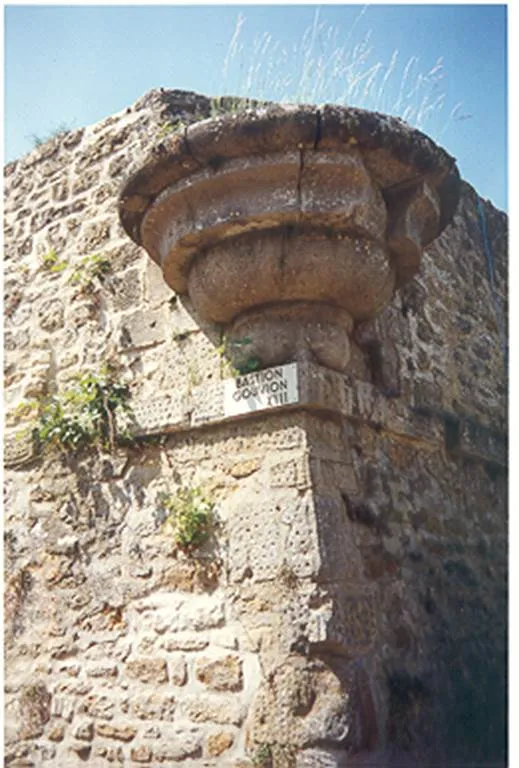
Crédits: Remparts de Carignan