DOUÉ-LA-FONTAINE
Description
English
Deutsch
Dutch
Español
Italiano
Description
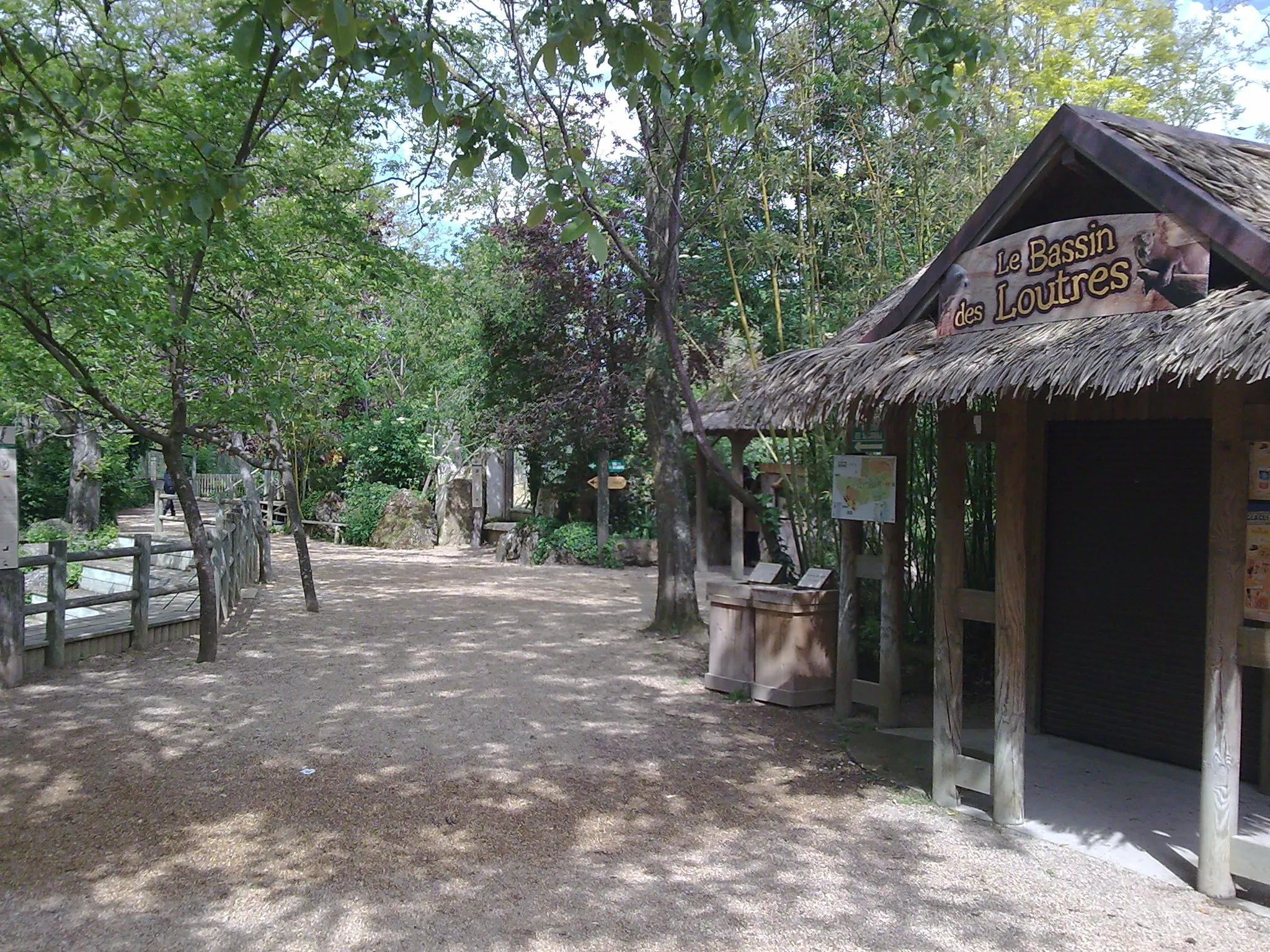
Chef-lieu de canton où l'offre touristique valorise les mondes souterrain, animal, végétal. La ville est attractive, riche de son histoire, de son patrimoine et de ses événements culturels. Les roses et les troglodytes ont apporté une renommée internationale, les carrières de falun servant d’écrin à la reine des fleurs lors du rendez-vous annuel des Journées de la Rose initié depuis 1959 ! Quant au Bioparc, c'est un zoo pas comme les autres où la sauvegarde des espèces et la préservation du milieu naturel vont de pair. Il y a environ 20 millions d’années, au miocène, la Mer des Faluns occupait le territoire de Doué-la-Fontaine dont le principal témoin aujourd’hui est l’épaisse couche de calcaire coquillier formant le sous-sol. C’est dans ce falun que l’homme creusa autant pour habiter que pour exploiter la pierre. Une industrie du sarcophage est attestée dès l’époque mérovingienne, de nombreux habitats troglodytiques dès le Moyen-âge et des carrières d’extractions ensuite. Les témoignages du temps passé semblent insuffisants pour affirmer l’existence d’une véritable agglomération gallo-romaine. A l’inverse le Haut Moyen-âge voit naître une activité économique et religieuse intense. Les découvertes archéologiques qui jalonnent l’urbanisation du XXème siècle et les textes anciens révèlent la présence d’un groupe ecclésial du VIIème siècle (baptistère Saint-Jean et église Saint-Léger) antérieur aux monuments religieux encore visibles aujourd’hui. Un trésor archéologique se trouve sur la commune ; la « Maison Carolingienne », datée vers 900. C’est l’un des rares édifices civils de l’époque carolingienne préservés à l’échelle nationale. Dans la grande aula un mur de refend accueille des vestiges de cheminée, là encore rare exemple connue en France pour le Xème siècle. L’édifice est emmotté lors des conflits opposant le Comte d’Anjou et le Comte de Blois. Foulque Nerra se rend maître de Doué au XIème siècle et construit une nouvelle forteresse. Le village est doté d’une enceinte ce qui favorise l’essor économique. Deux églises sont consacrées en mars 1040 par l'évêque d'Angers, Hubert de Vendôme : l’église Saint-Denis, dont il ne reste que quelques vestiges, et l’église Saint-Pierre, église paroissiale entièrement rebâtie au XVème siècle. Le XVIIIème siècle apporte, à travers les actions du Baron Foullon notamment, une nouvelle prospérité et de nombreux travaux d’urbanisme. L’activité artisanale et agricole est importante et l’on compte 20 foires et marchés chaque année. Le commerce du fer et celui des toiles sont très actifs et la ville acquiert une dimension nationale grâce aux pépinières du Baron. Joseph François Foullon est l'Intendant militaire, puis des Finances de Louis XVI. Il aménage sur la commune la fontaine avec lavoir et abreuvoir et le Champ de Foire nécessaire à l'expansion du commerce. Il développe surtout, avec l'aide éclairée d'un jardinier royal, la culture des roses qui fait aujourd'hui la réputation internationale de Doué-la-Fontaine. Les pépinières sont installées à Soulanger où il fait bâtir un château et planter 500 000 peupliers d'Italie. Les superbes écuries, seul élément restant du château aujourd’hui, abritent actuellement le musée Aux Anciens Commerces. Le 1er octobre 1964, les communes de Doué, Douces et Soulanger fusionnent.
English
A county town where the tourist offer is based on the underground, animal and plant worlds. The city is attractive, rich in history, heritage and cultural events. The roses and the troglodytes have brought international fame, the falun quarries serving as a setting for the queen of flowers during the annual Rose Days event initiated in 1959! As for the Biopark, it is a zoo like no other where the protection of species and the preservation of the natural environment go hand in hand About 20 million years ago, in the Miocene period, the Falun Sea occupied the territory of Doué-la-Fontaine, the main witness of which today is the thick layer of shell limestone forming the subsoil. It is in this falun that man dug as much to live as to exploit the stone. A sarcophagus industry is attested as early as the Merovingian period, numerous troglodytic dwellings as early as the Middle Ages and then quarries. The evidence from the past seems insufficient to confirm the existence of a real Gallo-Roman settlement. On the other hand, the High Middle Ages saw the birth of an intense economic and religious activity. The archaeological discoveries that mark the urbanization of the 20th century and the ancient texts reveal the presence of an ecclesiastical group from the 7th century (Saint John's baptistery and Saint Leger's church) prior to the religious monuments still visible today. An archeological treasure is found in the town; the "Carolingian House", dated around 900. It is one of the few civil buildings from the Carolingian period that have been preserved nationwide. In the large hall, a partition wall contains the remains of a chimney, another rare example known in France from the 10th century. The building was taken over during the conflicts between the Count of Anjou and the Count of Blois. Foulque Nerra became master of Doué in the 11th century and built a new fortress. The village is equipped with a wall which favors the economic development. Two churches were consecrated in March 1040 by the bishop of Angers, Hubert de Vendôme: the church of Saint-Denis, of which only a few remains, and the church of Saint-Pierre, a parish church entirely rebuilt in the 15th century The 18th century brought, through the actions of Baron Foullon in particular, a new prosperity and numerous urban planning works. The craft and agricultural activity is important and there are 20 fairs and markets every year. The iron and cloth trade was very active and the town acquired a national dimension thanks to the Baron's nurseries. Joseph François Foullon was the military Intendant, then the Finance Intendant of Louis XVI. He built a fountain with a washhouse and a drinking trough in the town, and the Champ de Foire, which was necessary for the expansion of trade. With the enlightened help of a royal gardener, he especially developed the cultivation of roses, which has made the international reputation of Doué-la-Fontaine. The nurseries were set up in Soulanger where he had a castle built and 500,000 Italian poplars planted. The superb stables, the only remaining part of the castle today, now house the Aux Anciens Commerces museum. On October 1st 1964, the communes of Doué, Douces and Soulanger merged.
Deutsch
Kantonshauptstadt, in der das touristische Angebot die Unterwelt, die Tier- und Pflanzenwelt aufwertet. Die Stadt ist attraktiv und reich an Geschichte, Kulturerbe und kulturellen Veranstaltungen. Rosen und Höhlenwohnungen haben der Stadt zu internationalem Ruhm verholfen. Die Falunsteinbrüche dienen der Königin der Blumen als Kulisse für die seit 1959 jährlich stattfindenden Rosentage Der Bioparc ist ein Zoo wie kein anderer, in dem die Erhaltung der Arten und die Bewahrung der natürlichen Umwelt Hand in Hand gehen Vor etwa 20 Millionen Jahren, im Miozän, besiedelte das Falunmeer das Gebiet von Doué-la-Fontaine, wovon heute vor allem die dicke Muschelkalkschicht zeugt, die den Untergrund bildet. In diesem Falun gruben die Menschen sowohl zum Wohnen als auch zum Steinabbau. Seit der Merowingerzeit ist eine Sarkophagindustrie belegt, seit dem Mittelalter gibt es zahlreiche Höhlenwohnungen und später Steinbrüche. Die Zeugnisse aus der Vergangenheit scheinen nicht auszureichen, um die Existenz einer echten gallorömischen Siedlung zu belegen. Im Gegensatz dazu entstand im Hochmittelalter eine intensive wirtschaftliche und religiöse Aktivität. Jahrhundert (Baptisterium Saint-Jean und Kirche Saint-Léger), die vor den heute noch sichtbaren religiösen Monumenten errichtet wurde. Ein archäologischer Schatz befindet sich in der Gemeinde: das "Maison Carolingienne", das um 900 datiert wird. Es ist eines der wenigen landesweit erhaltenen zivilen Gebäude aus der Karolingerzeit. In der großen Aula beherbergt eine Zwischenwand die Überreste eines Kamins, auch hier ein seltenes Beispiel, das in Frankreich für das 10. Das Gebäude wurde während der Konflikte zwischen dem Grafen von Anjou und dem Grafen von Blois eingemauert. Foulque Nerra eroberte Doué im 11. Jahrhundert und baute eine neue Festung. Das Dorf erhielt eine Stadtmauer, was den wirtschaftlichen Aufschwung förderte. Zwei Kirchen wurden im März 1040 vom Bischof von Angers, Hubert de Vendôme, geweiht: die Kirche Saint-Denis, von der nur noch wenige Überreste erhalten sind, und die Kirche Saint-Pierre, eine Pfarrkirche, die im 15. Jahrhundert vollständig neu erbaut wurde Das 18. Jahrhundert brachte, insbesondere durch die Aktionen des Barons Foullon, neuen Wohlstand und zahlreiche städtebauliche Maßnahmen. Die handwerkliche und landwirtschaftliche Tätigkeit war bedeutend und es gab 20 Messen und Märkte pro Jahr. Der Eisen- und Leinwandhandel ist sehr aktiv und die Stadt erlangt dank der Baumschulen des Barons eine nationale Dimension. Joseph François Foullon war der Militär- und später der Finanzintendant Ludwigs XVI. Er legt in der Gemeinde den Brunnen mit Waschbecken und Tränke sowie das für die Ausweitung des Handels notwendige Messefeld an. Vor allem entwickelte er mit der sachkundigen Hilfe eines königlichen Gärtners die Rosenzucht, die heute den internationalen Ruf von Doué-la-Fontaine begründet. Die Baumschulen wurden in Soulanger eingerichtet, wo er ein Schloss errichten und 500 000 italienische Pappeln pflanzen ließ. Die prächtigen Stallungen, die heute als einziger Teil des Schlosses übrig geblieben sind, beherbergen heute das Museum Aux Anciens Commerces. Am 1. Oktober 1964 schlossen sich die Gemeinden Doué, Douces und Soulanger zusammen.
Dutch
Een provinciestad waar het toeristische aanbod gebaseerd is op de ondergrondse, dierlijke en plantaardige wereld. De stad is aantrekkelijk, rijk aan geschiedenis, erfgoed en culturele evenementen. Rozen en troglodieten hebben voor internationale bekendheid gezorgd: de falungroeven dienden als decor voor de koningin der bloemen tijdens het jaarlijkse evenement Rozendagen dat in 1959 van start ging! Het Biopark is een dierentuin als geen ander waar de bescherming van diersoorten en het behoud van de natuurlijke omgeving hand in hand gaan Ongeveer 20 miljoen jaar geleden, in het Mioceen, werd het grondgebied van Doué-la-Fontaine bezet door de zee van Falun, waarvan het belangrijkste bewijs vandaag de dag de dikke laag schelpkalk is die de ondergrond vormt. Het is in deze falun dat de mens groef zowel om te leven als om de steen te exploiteren. Er zijn aanwijzingen voor een sarcofaagindustrie uit de Merovingische periode, talrijke trogloditische woningen vanaf de Middeleeuwen en latere steengroeven. De bewijzen uit het verleden lijken onvoldoende om het bestaan van een echte Gallo-Romeinse nederzetting te bevestigen. Anderzijds ontstond in de Hoge Middeleeuwen een intense economische en religieuze activiteit. Archeologische vondsten in de 20e eeuw en oude teksten wijzen op de aanwezigheid van een kerkelijke groep uit de 7e eeuw (Johannes doopkapel en Sint-Leger kerk), die dateert van voor de religieuze monumenten die nu nog zichtbaar zijn. Een archeologische schat is te vinden in de gemeente: het "Karolingische Huis", gedateerd rond 900. Het is een van de weinige overgebleven burgerlijke gebouwen uit de Karolingische periode in Duitsland. In de grote zaal bevat een scheidingswand de resten van een schouw, een ander zeldzaam voorbeeld dat in Frankrijk bekend is uit de 10e eeuw. Het gebouw werd ingenomen tijdens de conflicten tussen de graaf van Anjou en de graaf van Blois. Foulque Nerra nam de controle over Doué in de 11e eeuw en bouwde een nieuw fort. Het dorp was omgeven door een muur, wat de economische ontwikkeling bevorderde. Twee kerken werden in maart 1040 ingewijd door de bisschop van Angers, Hubert de Vendôme: de kerk van Saint-Denis, waarvan slechts enkele overblijfselen zijn overgebleven, en de kerk van Saint-Pierre, een parochiekerk die in de 15e eeuw geheel werd herbouwd De 18e eeuw bracht nieuwe welvaart en talrijke stedenbouwkundige projecten, met name door toedoen van Baron Foullon. De ambachtelijke en agrarische activiteit is belangrijk en er zijn jaarlijks 20 beurzen en markten. De ijzer- en lakenhandel waren zeer actief en de stad kreeg een nationale dimensie dankzij de kwekerijen van de baron. Joseph François Foullon was de militaire intendant en later de financiële intendant van Lodewijk XVI. Hij bouwde een fontein met een washuis en een drinkbak in de stad, en de Champ de Foire, die nodig was voor de uitbreiding van de handel. Bovenal ontwikkelde hij, met de verlichte hulp van een koninklijke tuinman, de teelt van rozen, waardoor Doué-la-Fontaine vandaag de dag een internationale reputatie geniet. De kwekerijen werden gevestigd in Soulanger, waar hij een kasteel liet bouwen en 500.000 Italiaanse populieren liet planten. De prachtige stallen, het enige deel van het kasteel dat vandaag de dag nog over is, herbergen nu het museum Aux Anciens Commerces. Op 1 oktober 1964 fuseerden de gemeenten Doué, Douces en Soulanger.
Español
Una ciudad comarcal cuya oferta turística se basa en el mundo subterráneo, animal y vegetal. La ciudad es atractiva, rica en historia, patrimonio y eventos culturales. Las rosas y los trogloditas han dado fama internacional, ya que las canteras de Falun sirven de escenario a la reina de las flores durante el evento anual Días de la Rosa, iniciado en 1959 En cuanto al Bioparque, es un zoológico como ningún otro donde la protección de las especies y la preservación del entorno natural van de la mano Hace unos 20 millones de años, en el Mioceno, el mar de Falun ocupaba el territorio de Doué-la-Fontaine, cuya principal prueba es hoy la gruesa capa de caliza de concha que forma el subsuelo. Es en este falun que el hombre cavó tanto para vivir como para explotar la piedra. Hay indicios de una industria de sarcófagos de la época merovingia, numerosas viviendas trogloditas de la Edad Media en adelante y canteras posteriores. Las pruebas del pasado parecen insuficientes para confirmar la existencia de un verdadero asentamiento galorromano. Por otro lado, la Alta Edad Media vio nacer una intensa actividad económica y religiosa. Los descubrimientos arqueológicos del siglo XX y los textos antiguos revelan la presencia de un conjunto eclesiástico del siglo VII (el baptisterio de San Juan y la iglesia de San Leger), anterior a los monumentos religiosos aún visibles en la actualidad. En el municipio se encuentra un tesoro arqueológico: la "Casa Carolingia", fechada hacia el año 900. Es uno de los pocos edificios civiles del periodo carolingio que se conservan en Alemania. En el gran salón, un tabique contiene los restos de una chimenea, otro raro ejemplo conocido en Francia del siglo X. El edificio fue tomado durante los conflictos entre el Conde de Anjou y el Conde de Blois. Foulque Nerra tomó el control de Doué en el siglo XI y construyó una nueva fortaleza. El pueblo estaba rodeado por una muralla, lo que favoreció su desarrollo económico. Dos iglesias fueron consagradas en marzo de 1040 por el obispo de Angers, Hubert de Vendôme: la iglesia de Saint-Denis, de la que sólo se conservan algunos restos, y la iglesia de Saint-Pierre, parroquia totalmente reconstruida en el siglo XV El siglo XVIII trajo consigo una nueva prosperidad y numerosos proyectos urbanísticos, en particular gracias a la actuación del barón Foullon. La actividad artesanal y agrícola es importante y hay 20 ferias y mercados cada año. El comercio del hierro y del paño era muy activo y la ciudad adquirió una dimensión nacional gracias a los viveros del barón. Joseph François Foullon fue el Intendente Militar, y más tarde el Intendente de Finanzas de Luis XVI. Construyó una fuente con un lavadero y un abrevadero en la ciudad, y el Champ de Foire, necesario para la expansión del comercio. Sobre todo, con la ayuda ilustrada de un jardinero real, desarrolló el cultivo de rosas, que ha hecho que Doué-la-Fontaine tenga hoy una reputación internacional. Los viveros se instalaron en Soulanger, donde mandó construir un castillo y plantar 500.000 álamos italianos. Las magníficas caballerizas, la única parte del castillo que se conserva en la actualidad, albergan ahora el museo Aux Anciens Commerces. El 1 de octubre de 1964, los municipios de Doué, Douces y Soulanger se fusionaron.
Italiano
Una città di provincia in cui l'offerta turistica si basa sul mondo sotterraneo, animale e vegetale. La città è attraente, ricca di storia, patrimonio ed eventi culturali. Le rose e i trogloditi hanno portato fama internazionale: le cave di falun hanno fatto da cornice alla regina dei fiori durante l'evento annuale Rose Days, iniziato nel 1959! Il Bioparco è uno zoo come nessun altro, dove la protezione delle specie e la conservazione dell'ambiente naturale vanno di pari passo Circa 20 milioni di anni fa, nel Miocene, il Mare di Falun occupava il territorio di Doué-la-Fontaine, di cui oggi la principale testimonianza è lo spesso strato di calcare conchilifero che costituisce il sottosuolo. È in questo falun che l'uomo ha scavato sia per vivere che per sfruttare la pietra. Vi sono testimonianze di un'industria di sarcofagi di epoca merovingia, di numerose abitazioni trogloditiche a partire dal Medioevo e di cave successive. Le testimonianze del passato non sembrano sufficienti a confermare l'esistenza di un vero e proprio insediamento gallo-romano. D'altra parte, l'Alto Medioevo vide la nascita di un'intensa attività economica e religiosa. Le scoperte archeologiche del XX secolo e i testi antichi rivelano la presenza di un gruppo ecclesiastico del VII secolo (battistero di San Giovanni e chiesa di San Leger), che precede i monumenti religiosi ancora oggi visibili. Nel comune si trova un tesoro archeologico: la "Casa carolingia", risalente al 900 circa. È uno dei pochi edifici civili del periodo carolingio sopravvissuti in Germania. Nella grande sala, una parete divisoria contiene i resti di un camino, un altro raro esempio conosciuto in Francia del X secolo. L'edificio fu occupato durante i conflitti tra il conte d'Angiò e il conte di Blois. Foulque Nerra prese il controllo di Doué nell'XI secolo e costruì una nuova fortezza. Il villaggio era circondato da una cinta muraria, che ne favorì lo sviluppo economico. Due chiese furono consacrate nel marzo 1040 dal vescovo di Angers, Hubert de Vendôme: la chiesa di Saint-Denis, di cui rimangono solo pochi resti, e la chiesa di Saint-Pierre, una parrocchia interamente ricostruita nel XV secolo Il XVIII secolo portò nuova prosperità e numerosi progetti urbanistici, in particolare grazie all'azione del barone Foullon. L'attività artigianale e agricola è importante e ogni anno si tengono 20 fiere e mercati. Il commercio del ferro e delle stoffe era molto attivo e la città acquisì una dimensione nazionale grazie ai vivai del Barone. Joseph François Foullon fu Intendente militare e poi Intendente delle finanze di Luigi XVI. Costruì una fontana con lavatoio e abbeveratoio in città e il Champ de Foire, necessario per l'espansione del commercio. Soprattutto, con l'aiuto illuminato di un giardiniere reale, sviluppò la coltivazione delle rose, che ha reso Doué-la-Fontaine oggi famosa a livello internazionale. I vivai furono allestiti a Soulanger, dove fece costruire un castello e piantare 500.000 pioppi italiani. Le superbe scuderie, l'unica parte del castello rimasta oggi, ospitano oggi il museo Aux Anciens Commerces. Il 1° ottobre 1964 i comuni di Doué, Douces e Soulanger si sono fusi.