Château-musée de Gien. Chasse, Histoire et Nature en Val de Loire – Gien
My Tourisme > Sites Culturels > Château-musée de Gien. Chasse, Histoire et Nature en Val de Loire – Gien
Description
English
Deutsch
Dutch
Español
Italiano
Description
François Ier, Catherine de Médicis, Charles IX ou encore Louis XIV et sa cour y ont séjourné. Des collections remarquables sur les différentes techniques de chasses sont présentées pour les rendre accessibles à tous et replacer l’histoire de la chasse au cœur du Val de Loire. Le musée de Gien devient Musée de France en 2002. Devenez acteurs de votre visite en téléchargeant l’application Géomotifs sur votre smartphone ! Et partez à la découverte des 15 détails ornementaux et décoratifs sélectionnés spécialement pour vous via l’application GéoMOTifs. Munis de votre smartphone : observez, scannez et le tour est joué ! Application numérique Baludick
English
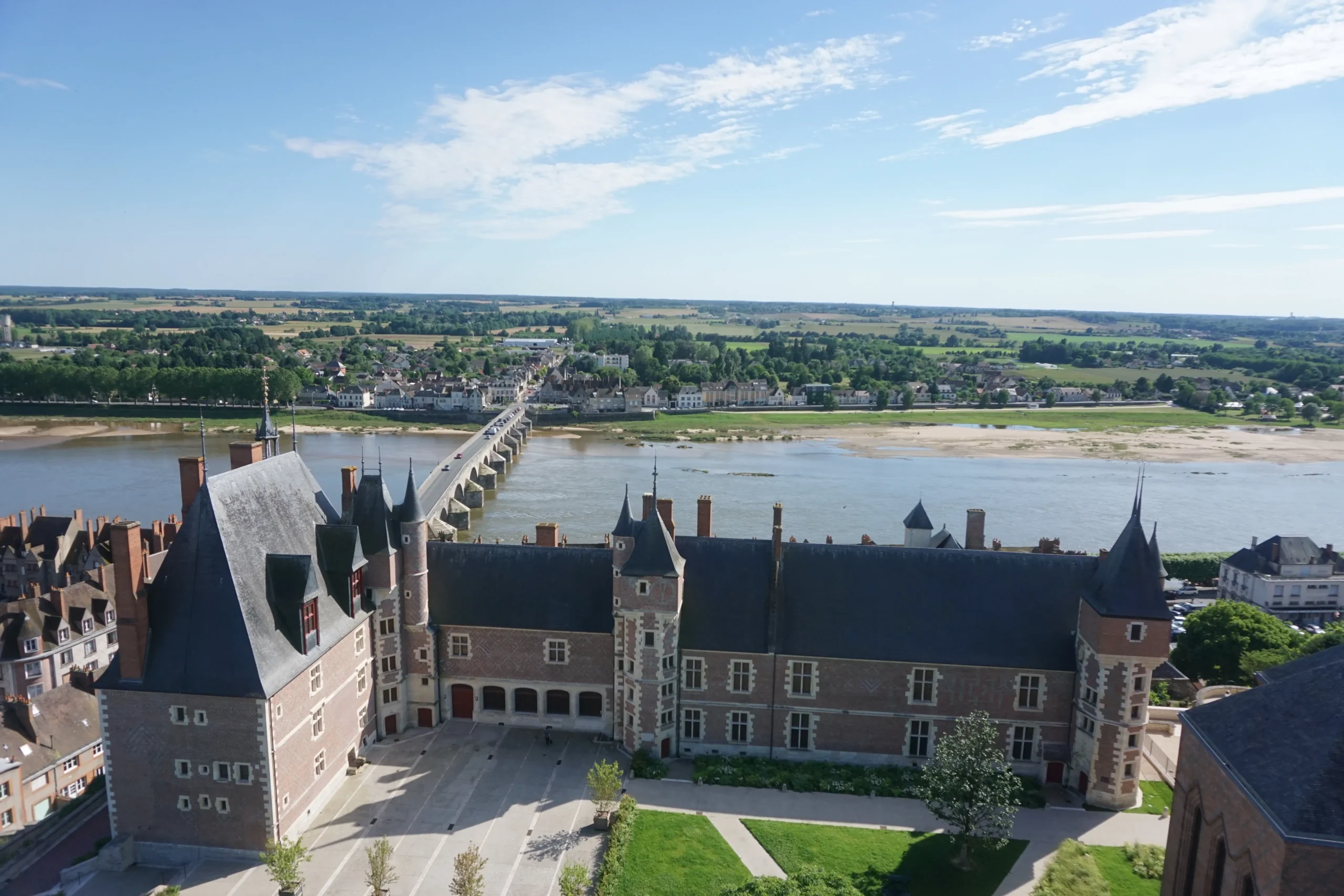
A descendant of a keen hunter and a falconry enthusiast herself, a place to practise hunting was required by the countess, Anne de Beaujeu, eldest daughter of Louis XI. She also had the royal château built, in a strategic location between the region of Sologne, rich with game, and the forest of Orléans. With its towers and turrets forming bold silhouettes, and its polychrome brick and stone architecture, the structure foreshadowed the French Renaissance. Changing from administrative building to prison in turn, the Château de Gien became the International Museum of Hunting in 1952 and remains so to this day. With approximately 10,000 objects and works of art, the collection retraces the history of hunting and the development of techniques. The château was built at the end of the 15th centur
Deutsch
Franz I., Katharina von Medici, Karl IX. oder auch Ludwig XIV. und sein Hofstaat haben sich hier aufgehalten. Bemerkenswerte Sammlungen zu den verschiedenen Jagdtechniken werden präsentiert, um sie für alle zugänglich zu machen und die Geschichte der Jagd in das Herz des Loiretals zu verlegen. Das Museum in Gien wurde 2002 zum Musée de France ernannt. Werden Sie selbst zum Akteur Ihres Besuchs, indem Sie die App Géomotifs auf Ihr Smartphone herunterladen! Und gehen Sie über die App GéoMOTifs auf Entdeckungsreise zu den 15 ornamentalen und dekorativen Details, die speziell für Sie ausgewählt wurden. Mit Ihrem Smartphone: Beobachten, scannen und fertig! Jahrhunderts von Anne de Beaujeu, der Tochter Ludwigs XI. und Regentin von Frankreich, errichtet. Das Schloss gab den mittelalterlichen V
Dutch
Als afstammelinge van een groot jager, en aangezien ze zelf een beoefenaarster van de valkenjacht was, had gravin Anne de Beaujeu, de oudste dochter van koning Lodewijk XI, een locatie nodig die gunstig was voor de jacht. Daarom liet ze dit grote koninklijke kasteel op een strategische plaats bouwen, tussen de wildrijke gronden van Sologne en het Forêt d’Orléans (bos). Met zijn torens en torentjes met gedurfde contouren, en zijn veelkleurige architectuur in steen en baksteen, gaf het gebouw een voorproefje van de Franse renaissance. Het Château de Gien, bij beurten een administratief gebouw en een gevangenis, herbergt sinds 1952 het Musée international de la Chasse (museum). Steunend op ongeveer 10 000 kunstvoorwerpen en -werken, een van de belangrijkste jachtkunstcollecties van Europa. H
Español
Descendiente de un gran cazador y aficionada a la halconería, la condesa Ana Beaujeu, hija primogénita del rey Luis XI, necesitaba disponer de un lugar propicio para ejercitar la caza. Con esta finalidad hizo construir este inmenso castillo real en un lugar estratégico. Con sus torres y torrecillas de perfil atrevido, su arquitectura en piedra y sus ladrillos policromados, el edificio anticipaba la llegada del Renacimiento francés. El castillo de Gien, sucesivamente sede administrativa y prisión, alberga desde 1952 el Museo Internacional de la Caza. Su extensa colección es una de las más importantes de Europa en arte cinegético, con aproximadamente 10.000 objetos y obras de arte que recorren la historia de la caza y sus técnicas. El castillo está situado en pleno centro de la ciudad de Gie
Italiano
Costruito alla fine del XV secolo da Anne de Beaujeu, figlia di Luigi XI e reggente di Francia, il castello abbandonò l'aspetto difensivo del Medioevo a favore del comfort del Rinascimento. Nel XIX secolo fu acquistato dal dipartimento del Loiret per ospitare la sottoprefettura, il tribunale e la prigione. Dal 1952, il castello ospita il Museo della Caccia, l'unico visitabile. Qui hanno soggiornato Francesco I, Caterina de Médicis, Carlo IX e Luigi XIV con la sua corte. Vengono presentate notevoli collezioni sulle varie tecniche di caccia per renderle accessibili a tutti e per porre la storia della caccia al centro della Valle della Loira. Il Museo di Gien è diventato un Musée de France nel 2002. Partecipate alla vostra visita scaricando l'applicazione Géomotifs sul vostro smartphone! E
Arts décoratifs - En centre ville - Beaux arts - Histoire - Médiéval - Environnement et nature - Arts et traditions populaires - Renaissance
Langues: English
Moyens de paiement: Espèce - Chèque - Cartes bancaires - Chèques vacances
Equipements: Parking
Place du château, 45500 Gien
Crédits: © Pierre Marceau