Château de Pont-sur-Seine
Description
English
Deutsch
Dutch
Español
Italiano
Description
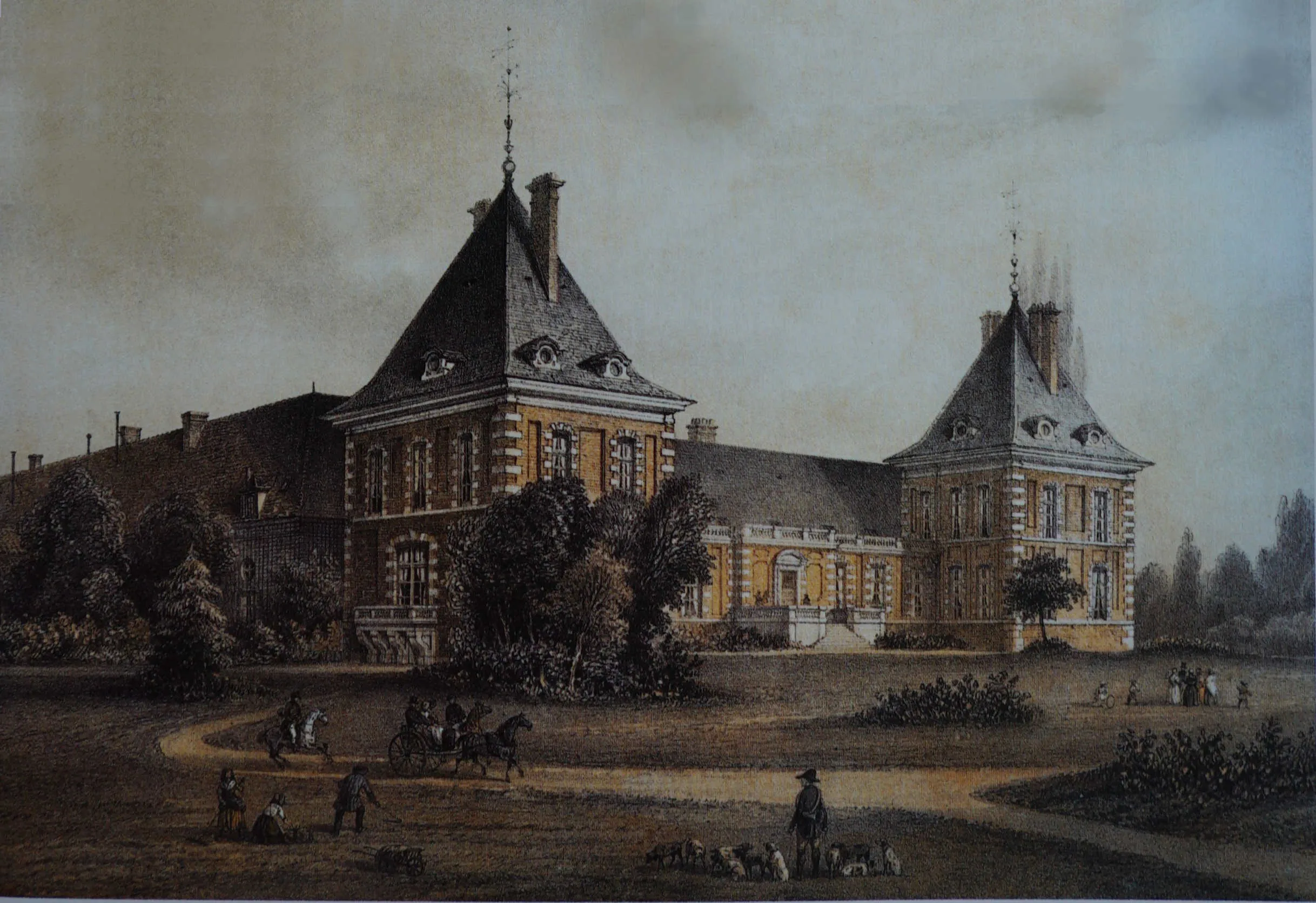
Le domaine de Pont sur Seine a été cédé à la Princesse de Conti par Louis XIII. En 1632, au décès de celle-ci, Claude Bouthillier de Chavigny, surintendant des finances et grand ami de Richelieu, l’acquit et fit construire un magnifique château sur les plans de l'architecte Pierre Le Muet. Ce Château était admiré de l'Europe entière, ce qui lui permit de recevoir des grands noms, tels que Catherine de Médicis ou Richelieu… En 1673, le Prince de Rohan le racheta, mais il fut vendu l'année suivante à Xavier-François Auguste Bennon Duc de Saxe, oncle maternel de Louis XVI, qui le conserva jusqu'en 1792. Napoléon l'offrit à sa mère Madame Laétizia Bonaparte en 1805, qui l'habita jusqu'à la chute de l'Empire. Hélas le 13 Mars 1814, alors qu'il assaille la ville, le Prince de Wurtemberg, après avoir pillé méticuleusement ce magnifique château donna l'ordre à ses troupes de l'incendier tout en interdisant les accès aux villageois qui auraient pu y porter secours. Casimir Perier industriel du Nord, ministre d'état, acheta les ruines en 1820 et voulut le reconstruire à l'identique. Mais avec le réseau de chemin de fer qui se développait partagea la propriété avec l'implantation de la ligne Paris-Troyes, ainsi que la construction du canal, son fils transforma les communs du château initial en maison d'habitation, ajoutant deux pavillons et une colonnade à l'italienne. C'est le château actuel, et la construction de ponts et passerelle permirent de conserver l'orangerie les jardins et l'étang. LE CHÂTEAU DE PONT-SUR-SEINE N'EST PAS OUVERT AU PUBLIC ET N'EST PAS VISITABLE.
English
The domain of Pont sur Seine was ceded to the Princess of Conti by Louis XIII. In 1632, when she died, Claude Bouthillier de Chavigny, superintendent of finances and a great friend of Richelieu, acquired it and had a magnificent castle built according to the plans of the architect Pierre Le Muet. This Château was admired throughout Europe, which allowed it to receive great names, such as Catherine de Medici or Richelieu… In 1673, the Prince of Rohan bought it, but it was sold the following year to Xavier -François Auguste Bennon Duke of Saxony, maternal uncle of Louis XVI, who kept it until 1792. Napoleon gave it to his mother Madame Laétizia Bonaparte in 1805, who lived there until the fall of the Empire. Alas on March 13, 1814, while he attacked the city, the Prince of Württemberg, after having meticulously looted this magnificent castle, ordered his troops to burn it down while prohibiting access to the villagers who could have helped it. . Casimir Perier industrial North, Minister of State, bought the ruins in 1820 and wanted to rebuild it identically. But with the developing railway network shared the property with the establishment of the Paris-Troyes line, as well as the construction of the canal, his son transformed the outbuildings of the initial castle into a dwelling house, adding two pavilions and an Italian colonnade. It is the current castle, and the construction of bridges and walkways made it possible to preserve the orangery, the gardens and the pond. THE CASTLE OF PONT-SUR-SEINE IS NOT OPEN TO THE PUBLIC AND CANNOT BE VISITED.
Deutsch
Die Domäne von Pont sur Seine wurde von Ludwig XIII. an die Prinzessin von Conti abgetreten. Als sie 1632 starb, erwarb es Claude Bouthillier de Chavigny, Finanzvorsteher und guter Freund von Richelieu, und ließ nach den Plänen des Architekten Pierre Le Muet ein prächtiges Schloss errichten. Dieses Schloss wurde in ganz Europa bewundert, wodurch es große Namen wie Katharina von Medici oder Richelieu erhielt … 1673 kaufte es der Prinz von Rohan, aber es wurde im folgenden Jahr an Xavier-François Auguste Bennon, Herzog von, verkauft Sachsen, Onkel mütterlicherseits von Ludwig XVI., der es bis 1792 behielt. Napoleon schenkte es 1805 seiner Mutter Madame Laétizia Bonaparte, die dort bis zum Untergang des Reiches lebte. Leider befahl der Prinz von Württemberg am 13. März 1814, als er die Stadt angriff, nachdem er diese prächtige Burg akribisch geplündert hatte, seinen Truppen, sie niederzubrennen, während er den Dorfbewohnern, die ihr hätten helfen können, den Zugang verwehrte. Casimir Perier Industrial North, Staatsminister, kaufte die Ruine 1820 und wollte sie identisch wieder aufbauen. Aber mit dem sich entwickelnden Eisenbahnnetz, das das Anwesen mit der Errichtung der Linie Paris-Troyes und dem Bau des Kanals teilte, verwandelte sein Sohn die Nebengebäude des ursprünglichen Schlosses in ein Wohnhaus und fügte zwei Pavillons und eine italienische Kolonnade hinzu. Es ist das heutige Schloss, und der Bau von Brücken und Gehwegen ermöglichte es, die Orangerie, die Gärten und den Teich zu erhalten. DAS SCHLOSS VON PONT-SUR-SEINE IST NICHT ÖFFENTLICH ZU ÖFFNEN UND KANN NICHT BESICHTIGT WERDEN.
Dutch
Het domein van Pont sur Seine werd door Lodewijk XIII afgestaan aan de prinses van Conti. In 1632, toen ze stierf, verwierf Claude Bouthillier de Chavigny, inspecteur van financiën en een goede vriend van Richelieu, het en liet een prachtig kasteel bouwen volgens de plannen van de architect Pierre Le Muet. Dit kasteel werd in heel Europa bewonderd, waardoor het grote namen kreeg, zoals Catherine de Medici of Richelieu… In 1673 kocht de prins van Rohan het, maar het jaar daarop werd het verkocht aan Xavier-François Auguste Bennon, hertog van Saksen, oom van moederszijde van Lodewijk XVI, die het behield tot 1792. Napoleon schonk het in 1805 aan zijn moeder Madame Laétizia Bonaparte, die er woonde tot de val van het keizerrijk. Helaas, op 13 maart 1814, terwijl hij de stad aanviel, beval de prins van Württemberg, nadat hij dit prachtige kasteel minutieus had geplunderd, zijn troepen het in brand te steken terwijl hij de toegang verbood voor de dorpelingen die het hadden kunnen helpen. . Casimir Perier Industrial North, staatsminister, kocht de ruïne in 1820 en wilde hem identiek herbouwen. Maar aangezien het zich ontwikkelende spoorwegnet het eigendom deelde met de aanleg van de lijn Parijs-Troyes en de aanleg van het kanaal, transformeerde zijn zoon de bijgebouwen van het oorspronkelijke kasteel in een woonhuis en voegde hij twee paviljoens en een Italiaanse colonnade toe. Het is het huidige kasteel en door de aanleg van bruggen en loopbruggen konden de oranjerie, de tuinen en de vijver behouden blijven. HET KASTEEL VAN PONT-SUR-SEINE IS NIET OPEN VOOR HET PUBLIEK EN KAN NIET BEZOCHT WORDEN.
Español
La finca de Pont sur Seine fue regalada por Luis XIII a la princesa de Conti. A su muerte, en 1632, Claude Bouthillier de Chavigny, superintendente de Finanzas y amigo íntimo de Richelieu, la adquirió e hizo construir un magnífico castillo según los planos del arquitecto Pierre Le Muet. Admirado en toda Europa, el castillo acogió a numerosos invitados célebres, entre ellos Catalina de Médicis y Richelieu… En 1673, el príncipe de Rohan lo compró, pero al año siguiente fue vendido a Xavier-François Auguste Bennon duque de Saxe, tío materno de Luis XVI, que lo conservó hasta 1792. En 1805, Napoleón se la ofreció a su madre, Madame Laétizia Bonaparte, que vivió allí hasta la caída del Imperio. Desgraciadamente, el 13 de marzo de 1814, el príncipe de Wurtemberg, tras saquear meticulosamente este magnífico castillo, ordenó a sus tropas incendiarlo, al tiempo que prohibía el acceso a los aldeanos que hubieran podido acudir en su ayuda. Casimir Perier, industrial del norte de Francia y ministro de Estado, compró las ruinas en 1820 y quiso reconstruirlo de forma idéntica. Sin embargo, con el desarrollo de la red ferroviaria, que compartía la propiedad con la línea París-Troyes, y la construcción del canal, su hijo transformó las dependencias del castillo original en vivienda, añadiendo dos pabellones y una columnata a la italiana. La construcción de puentes y pasarelas permitió conservar el invernadero de naranjos, los jardines y el estanque. EL CASTILLO DE PONT-SUR-SEINE NO ESTÁ ABIERTO AL PÚBLICO Y NO SE PUEDE VISITAR.
Italiano
Il dominio di Pont sur Seine fu ceduto alla principessa di Conti da Luigi XIII. Nel 1632, alla sua morte, Claude Bouthillier de Chavigny, sovrintendente alle finanze e grande amico di Richelieu, lo acquistò e fece costruire un magnifico castello secondo i piani dell'architetto Pierre Le Muet. Questo castello è stato ammirato in tutta Europa, il che gli ha permesso di ricevere grandi nomi, come Caterina de Medici o Richelieu… Nel 1673, il principe di Rohan lo acquistò, ma fu venduto l'anno successivo a Xavier -François Auguste Bennon Duca di Sassonia, zio materno di Luigi XVI, che lo tenne fino al 1792. Napoleone lo donò alla madre Madame Laétizia Bonaparte nel 1805, che vi abitò fino alla caduta dell'Impero. Purtroppo il 13 marzo 1814, mentre attaccava la città, il Principe di Württemberg, dopo aver meticolosamente saccheggiato questo magnifico castello, ordinò alle sue truppe di incendiarlo vietando l'accesso ai paesani che avrebbero potuto aiutarlo. . Casimir Perier Industrial North, Ministro di Stato, acquistò le rovine nel 1820 e volle ricostruirle in modo identico. Ma con lo sviluppo della rete ferroviaria condivise la proprietà con l'istituzione della linea Parigi-Troyes, così come la costruzione del canale, suo figlio trasformò gli annessi del castello iniziale in una casa di abitazione, aggiungendo due padiglioni e un colonnato all'italiana. È l'attuale castello, e la costruzione di ponti e passerelle ha permesso di preservare l'aranciera, i giardini e il laghetto. IL CASTELLO DI PONT-SUR-SEINE NON È APERTO AL PUBBLICO E NON È VISITABILE.
Histoire
, 10400 Pont-sur-Seine
Crédits: Auteur inconnu<span style="display: none;">Unknown author</span>