Carmel – Maison du patrimoine – Abbeville
Description
English
Deutsch
Dutch
Español
Italiano
Description
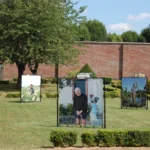
Cet ancien monastère et ses jardins ont été occupés successivement par les frères capucins du XVIIe s à la Révolution française puis par les sœurs carmélites de 1821 à 1998. Au fil des années, les religieuses restaurent le monastère et le transforment en carmel régulier. Elles construisent, entre autres, une nouvelle chapelle et un cloître. N'étant plus assez nombreuses pour vivre dans l'édifice, elles quittent les lieux en 1998, date à laquelle la Ville se porte acquéreur de la propriété. La direction du Pôle patrimoine et le service Patrimoine y sont désormais installés. Le Carmel a ainsi retrouvé une seconde vie en devenant la Maison du Patrimoine. Maison qui accueille de nombreuses manifestations culturelles tout au long de l'année (exposition d'art contemporain et exposition patrimoniale, concerts, visites, ateliers) aussi bien en intérieur que dans les vastes jardins entourant l'ancien monastère.
English
This old monastery and its gardens were occupied successively by the Capuchin friars from the 17th century to the French Revolution and then by the Carmelite sisters from 1821 to 1998. Over the years, the nuns restored the monastery and transformed it into a regular carmel. They built, among other things, a new chapel and a cloister. Since there were no longer enough nuns to live in the building, they left in 1998, when the City purchased the property. The management of the Heritage Unit and the Heritage Department are now located there. The Carmel has thus found a second life by becoming the Maison du Patrimoine. The house hosts numerous cultural events throughout the year (contemporary art and heritage exhibitions, concerts, tours, workshops) both indoors and in the vast gardens surrounding the former monastery.
Deutsch
Dieses ehemalige Kloster und seine Gärten wurden vom 17. Jahrhundert bis zur Französischen Revolution von Kapuzinern und von 1821 bis 1998 von Karmeliterinnen bewohnt. Im Laufe der Jahre restaurierten die Nonnen das Kloster und wandelten es in einen regulären Karmeliterkloster um. Sie bauten unter anderem eine neue Kapelle und einen Kreuzgang. Da sie nicht mehr zahlreich genug waren, um in dem Gebäude zu leben, verließen sie es 1998, als die Stadt das Anwesen kaufte. Die Direktion des Pôle patrimoine und die Abteilung für Kulturerbe sind nun dort untergebracht. Das Karmeliterkloster erhielt ein zweites Leben und wurde zum Haus des Kulturerbes. In diesem Haus finden das ganze Jahr über zahlreiche kulturelle Veranstaltungen statt (Ausstellungen zeitgenössischer Kunst und Ausstellungen zum Kulturerbe, Konzerte, Besichtigungen, Workshops), sowohl im Innenbereich als auch in den weitläufigen Gärten, die das ehemalige Kloster umgeben.
Dutch
Dit voormalige klooster en zijn tuinen werden achtereenvolgens bewoond door de broeders kapucijnen van de 17e eeuw tot de Franse Revolutie, en vervolgens door de zusters karmelieten van 1821 tot 1998. In de loop der jaren restaureerden de nonnen het klooster en veranderden het in een gewone carmel. Ze bouwden onder andere een nieuwe kapel en een klooster. Omdat er niet meer genoeg nonnen waren om in het gebouw te wonen, vertrokken ze in 1998, toen de stad het pand kocht. De directie van de Erfgoedcel en de afdeling Erfgoed zijn daar nu gevestigd. De Karmel heeft dus een tweede leven gevonden door het Maison du Patrimoine te worden. Het huis organiseert het hele jaar door talrijke culturele evenementen (tentoonstellingen over hedendaagse kunst en erfgoed, concerten, rondleidingen, workshops), zowel binnen als in de uitgestrekte tuinen rond het voormalige klooster.
Español
Este antiguo monasterio y sus jardines fueron ocupados sucesivamente por los frailes capuchinos desde el siglo XVII hasta la Revolución Francesa y luego por las monjas carmelitas desde 1821 hasta 1998. Con el paso de los años, las monjas restauraron el monasterio y lo transformaron en un carmelo normal. Construyeron, entre otras cosas, una nueva capilla y un claustro. Como ya no había suficientes monjas para vivir en el edificio, lo abandonaron en 1998, cuando el Ayuntamiento adquirió la propiedad. La dirección de la Unidad de Patrimonio y el Departamento de Patrimonio se encuentran ahora allí. El Carmelo ha encontrado así una segunda vida al convertirse en la Maison du Patrimoine. La casa acoge numerosos eventos culturales a lo largo del año (exposiciones de arte contemporáneo y patrimonio, conciertos, visitas, talleres) tanto en su interior como en los amplios jardines que rodean el antiguo monasterio.
Italiano
Questo antico monastero e i suoi giardini sono stati occupati successivamente dai frati cappuccini dal XVII secolo fino alla Rivoluzione francese e poi dalle monache carmelitane dal 1821 al 1998. Nel corso degli anni, le monache hanno restaurato il monastero e lo hanno trasformato in un normale carmelo. Costruirono, tra l'altro, una nuova cappella e un chiostro. Poiché non c'era più un numero sufficiente di suore per vivere nell'edificio, esse se ne andarono nel 1998, quando la città acquistò la proprietà. La direzione dell'Unità del Patrimonio e il Dipartimento del Patrimonio sono ora situati lì. Il Carmelo ha così trovato una seconda vita diventando la Maison du Patrimoine. La casa ospita numerosi eventi culturali durante tutto l'anno (mostre d'arte contemporanea e sul patrimonio, concerti, visite, laboratori) sia all'interno che nei vasti giardini che circondano l'ex monastero.
Classement: Accueil Vélo
Equipements: Salle de réunion équipée
34/36 rue des capucins, 80100 Abbeville

Crédits: ©Somme Tourisme _JC