Orchestre Symphonique de l'Aube – Pierre, le loup et les grandes marches – 16-11-2025 – Troyes
My Tourisme > Evénements > Evénements Culturels > Orchestre Symphonique de l'Aube – Pierre, le loup et les grandes marches – 16-11-2025 – Troyes
Description
English
Deutsch
Dutch
Español
Italiano
Description
Grâce à la composition habile de Prokofiev, on s'initie aux instruments de l'orchestre au fil du récit : violon, basson, cor, timbales, etc… Le cortège triomphal qui clôture le conte donne le ton à la suite du concert : nous suivrons les musiciens au rythme des plus joyeuses marches du répertoire. "1, 2, 1, 2…" en avant la musique ! SERGUEI PROKOFIEV : Pierre et le loup
PIOTR ILICH TCHAÏKOVSKI : Marche slave
CHARLES GOUNOD : Marche funèbre d'une marionnette
FRANZ SCHUBERT : Marche militaire
HECTOR BERLIOZ : La Damnation de Faust, "Marche Hongroise"
English
Prokofiev's skilful composition introduces us to the instruments of the orchestra as the story unfolds: violin, bassoon, horn, timpani, etc… The triumphal procession that closes the tale sets the tone for the rest of the concert: we follow the musicians to the rhythm of the most joyous marches in the repertoire. "1, 2, 1, 2…" Let the music begin! SERGUEI PROKOFIEV: Peter and the Wolf
PIOTR ILICH TCHAIKOVSKI: Slavonic March
CHARLES GOUNOD: Marche funèbre d'une marionnette (Funeral March of a Puppet)
FRANZ SCHUBERT: Marche militaire
HECTOR BERLIOZ: The Damnation of Faust, "Marche Hongroise
Deutsch
Dank Prokofjews geschickter Komposition wird man im Laufe der Geschichte mit den Instrumenten des Orchesters vertraut gemacht: Violine, Fagott, Horn, Pauken usw. Der Triumphzug, der die Erzählung beendet, gibt den Ton für den Rest des Konzerts an: Wir folgen den Musikern im Rhythmus der fröhlichsten Märsche des Repertoires. "1, 2, 1, 2…" Vorwärts mit der Musik! SERGUEI PROKOFIEW: Peter und der Wolf
PIOTR ILICH TSCHAIKOWSKI: Slawischer Marsch
CHARLES GOUNOD: Trauermarsch einer Marionette
FRANZ SCHUBERT: Militärischer Marsch
HECTOR BERLIOZ: La Damnation de Faust, "Ungarischer Marsch"
Dutch
Prokofjevs kundige compositie laat ons kennismaken met de instrumenten van het orkest terwijl het verhaal zich ontvouwt: viool, fagot, hoorn, pauken, enz. De triomfantelijke processie die het verhaal afsluit zet de toon voor de rest van het concert: we volgen de muzikanten op het ritme van de meest vreugdevolle marsen uit het repertoire. "1, 2, 1, 2…" Laat de muziek beginnen! SERGEI PROKOFIEV: Peter en de Wolf
PIOTR ILICH TCHAIKOVSKI: Slavische mars
CHARLES GOUNOD: Begrafenismars van een marionet
FRANZ SCHUBERT: Marche militaire
HECTOR BERLIOZ: De verdoemenis van Faust, "Hongaarse mars
Español
La hábil composición de Prokofiev nos presenta los instrumentos de la orquesta a medida que se desarrolla la historia: violín, fagot, trompa, timbales, etc. La procesión triunfal que cierra el cuento marca el tono del resto del concierto: seguimos a los músicos al ritmo de las marchas más alegres del repertorio. "1, 2, 1, 2…" ¡Que empiece la música! SERGEI PROKOFIEV: Pedro y el lobo
PIOTR ILICH TCHAIKOVSKI: Marcha Eslava
CHARLES GOUNOD: Marcha fúnebre de una marioneta
FRANZ SCHUBERT: Marcha Militar
HECTOR BERLIOZ: La condenación de Fausto, "Marcha húngara
Italiano
L'abile composizione di Prokofiev ci presenta gli strumenti dell'orchestra man mano che la storia si svolge: violino, fagotto, corno, timpani, ecc. La processione trionfale che chiude il racconto dà il tono al resto del concerto: seguiamo i musicisti al ritmo delle marce più gioiose del repertorio. "1, 2, 1, 2…" Che la musica abbia inizio! SERGEI PROKOFIEV: Pietro e il lupo
PIOTR ILICH TCHAIKOVSKI: Marcia slava
CHARLES GOUNOD: Marcia funebre di una marionetta
FRANZ SCHUBERT: Marcia militare
HECTOR BERLIOZ: La dannazione di Faust, "Marcia ungherese
Musique classique - Musique contemporaine - Culture
Auditorium du Centre de Congrès de l’Aube, 10000 Troyes
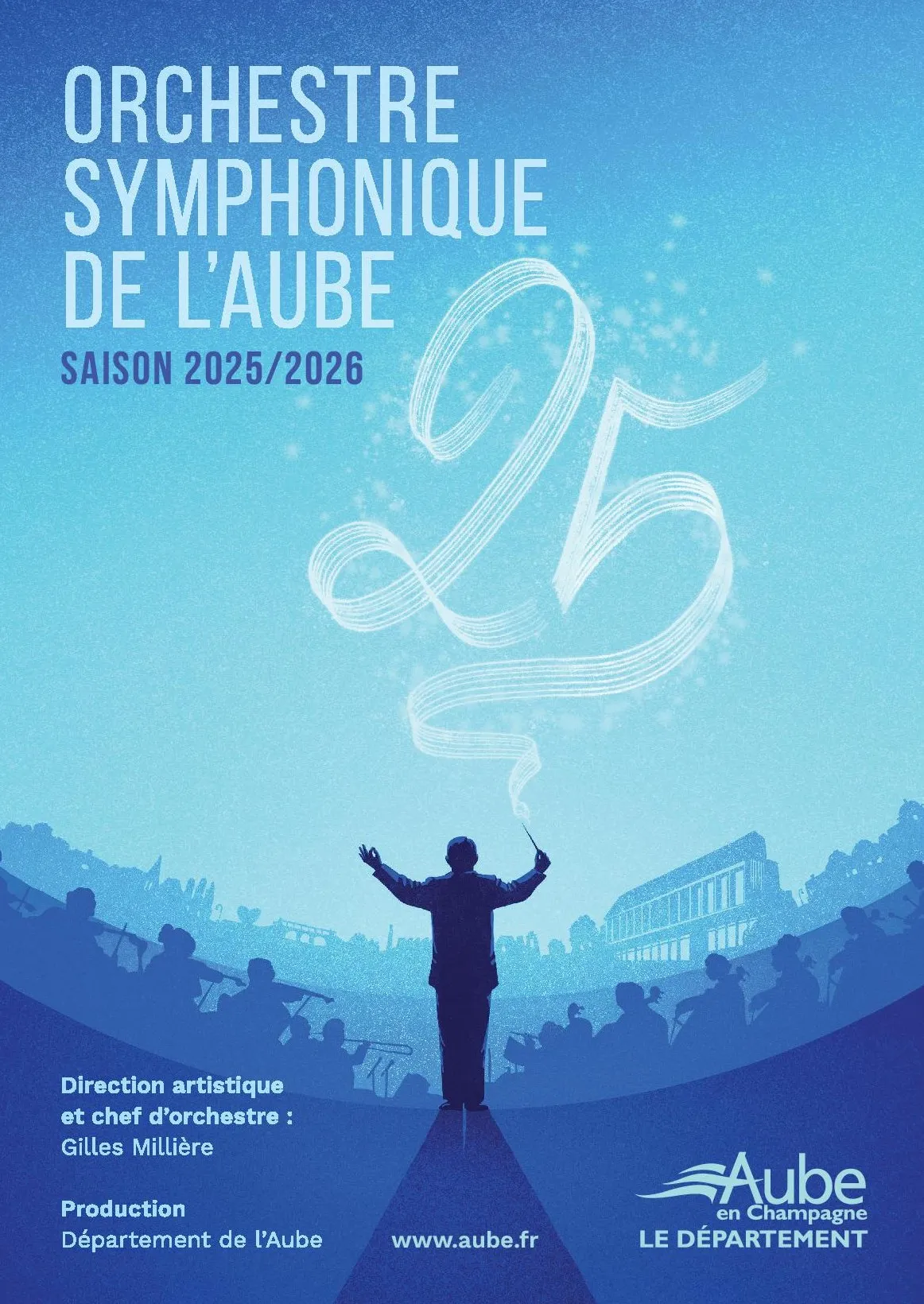
Crédits: Département de l'Aube / Conception : Talky Walky
Publications similaires :
 Orchestre Symphonique de l'Aube – Poèmes symphoniques – 12-10-2025 – Troyes
  Orchestre Symphonique de l'Aube – Mozart et merveilles, de l'émotion au sourire – 06-12-2025 – Troyes
  Orchestre Symphonique de l'Aube – Concert anniversaire – 28-06-2026 – Troyes
  Orchestre Symphonique de l'Aube – Feu d'artifice musical – 07-03-2026 – Troyes