Bertrand Chamayou et les siècles – 08-01-2026 – Compiègne
My Tourisme > Evénements > Evénements Culturels > Bertrand Chamayou et les siècles – 08-01-2026 – Compiègne
Description
English
Deutsch
Dutch
Español
Italiano
Description
Commencez l’année en beauté avec ce concert inoubliable autour de deux figures monumentales du romantisme européen : Wagner avec des extraits de Parsifal et de Tristan et Isolde, et Liszt porté par la virtuosité de Bertrand Chamayou au piano. Deux génies réunis par Les Siècles, sous la direction de Jakob Lehmann : une opportunité unique pour vivre une soirée d’émotions et de couleurs exceptionnelles. Richard Wagner et Franz Liszt, sans nul doute la plus fascinante amitié de toute l’histoire de la musique. Le premier, génie tempétueux et échevelé, lecteur de Bakounine et partie prenante des mouvements révolutionnaires allemands du milieu du XIXe siècle ; le second, proche de toutes les aristocraties européennes et de l’Église catholique, qui appelait de ses voeux la « grande Mission sociale et religieuse » des artistes. Bien qu’en apparence tout puisse les opposer, ces deux figures ne cessèrent de correspondre toute leur vie, et Liszt d’inlassablement défendre Wagner. Le Hongrois est le premier à connaître les projets de composition de Tristan et Isolde dès 1855 qu’il encourage pleinement, d’autant qu’il assurait cinq ans auparavant la création de Lohengrin qui confère rapidement à Wagner une solide reconnaissance publique. Marié à la fille de Liszt, Cosima, Wagner déclara peu avant la création de Parsifal en 1882 à Bayreuth, à propos de son beau-père : « Voici celui qui, le premier, a eu foi en moi, et sans lequel vous n’auriez peut-être pas entendu une seule note de moi ». Ce programme, défendu par Jakob Lehmann et Les Siècles, sur instruments d’époque, donne ainsi à entendre quelques extraits de deux jalons de l’oeuvre opératique de Wagner. Au centre de ce flot ininterrompu de musique, le pianiste Bertrand Chamayou relève le défi d’interpréter les deux concertos de Liszt dans une même soirée, exercice virtuose que n’aurait pas renié Liszt lui-même.
English
Start the new year in style with this unforgettable concert featuring two monumental figures of European Romanticism: Wagner, with excerpts from Parsifal and Tristan and Isolde, and Liszt, with the virtuosity of Bertrand Chamayou at the piano. Two geniuses reunited by Les Siècles, conducted by Jakob Lehmann: a unique opportunity to experience an evening of exceptional emotion and color. Richard Wagner and Franz Liszt, undoubtedly the most fascinating friendship in the history of music. The first, a tempestuous, unbridled genius, a reader of Bakunin and an active participant in the German revolutionary movements of the mid-19th century; the second, close to all European aristocracies and the Catholic Church, who called for the "great social and religious mission" of artists. Although on the surface everything may seem to oppose them, these two figures corresponded throughout their lives, and Liszt tirelessly defended Wagner. The Hungarian was the first to learn of Wagner?s plans to compose Tristan and Isolde in 1855, which he fully supported, especially as five years earlier he had given the premiere of Lohengrin, which quickly gave Wagner solid public recognition. Married to Liszt?s daughter Cosima, Wagner said of his father-in-law shortly before the premiere of Parsifal in Bayreuth in 1882: "This is the man who first had faith in me, and without whom you might not have heard a single note of mine. This program, performed on period instruments by Jakob Lehmann and Les Siècles, features excerpts from two of Wagner?s operatic milestones. At the center of this uninterrupted flow of music, pianist Bertrand Chamayou takes up the challenge of performing both Liszt concertos in the same evening, a virtuoso exercise that Liszt himself would not have denied.
Deutsch
Beginnen Sie das neue Jahr mit einem unvergesslichen Konzert, das sich um zwei monumentale Figuren der europäischen Romantik dreht: Wagner mit Auszügen aus Parsifal und Tristan und Isolde und Liszt, getragen von der Virtuosität Bertrand Chamayous am Klavier. Zwei Genies, die von Les Siècles unter der Leitung von Jakob Lehmann vereint werden: eine einmalige Gelegenheit, einen Abend voller Emotionen und außergewöhnlicher Farben zu erleben. Richard Wagner und Franz Liszt – zweifellos die faszinierendste Freundschaft in der Musikgeschichte. Der eine, ein stürmisches und ungestümes Genie, ein Leser von Bakunin und Teil der revolutionären Bewegungen in Deutschland Mitte des 19. Jahrhunderts; der andere, der allen europäischen Aristokratien und der katholischen Kirche nahe stand und die "große soziale und religiöse Mission" der Künstler forderte. Obwohl auf den ersten Blick alles gegen sie spricht, korrespondierten die beiden ihr ganzes Leben lang miteinander und Liszt setzte sich unermüdlich für Wagner ein. Der Ungar war der erste, der von den Plänen für Tristan und Isolde ab 1855 erfuhr, die er voll und ganz unterstützte, zumal er fünf Jahre zuvor die Uraufführung des Lohengrin sichergestellt hatte, die Wagner schnell öffentliche Anerkennung verschaffte. Wagner, der mit Liszts Tochter Cosima verheiratet war, sagte kurz vor der Uraufführung von Parsifal 1882 in Bayreuth über seinen Schwiegervater: "Dies ist der, der als erster an mich geglaubt hat, und ohne den Sie vielleicht nicht eine einzige Note von mir gehört hätten". Dieses Programm, das von Jakob Lehmann und Les Siècles auf historischen Instrumenten gespielt wird, bietet Auszüge aus zwei Meilensteinen von Wagners Opernschaffen. Im Zentrum dieses ununterbrochenen Musikflusses steht der Pianist Bertrand Chamayou, der sich der Herausforderung stellt, die beiden Konzerte von Liszt an einem Abend zu interpretieren – eine virtuose Übung, die Liszt selbst nicht verleugnet hätte.
Dutch
Begin het jaar in stijl met dit onvergetelijke concert rond twee monumentale figuren van de Europese romantiek: Wagner, met fragmenten uit Parsifal en Tristan en Isolde, en Liszt, met de virtuositeit van Bertrand Chamayou aan de piano. Twee genieën samengebracht door Les Siècles onder leiding van Jakob Lehmann: een unieke kans om een avond van uitzonderlijke emotie en kleur te beleven. Richard Wagner en Franz Liszt, ongetwijfeld de meest fascinerende vriendschap in de muziekgeschiedenis. De eerste, een onstuimig en wild genie, een lezer van Bakoenin en een actieve deelnemer aan de Duitse revolutionaire bewegingen van het midden van de 19e eeuw; de tweede, dicht bij alle Europese aristocratieën en de katholieke kerk, die opriep tot de "grote sociale en religieuze missie" van kunstenaars. Hoewel op het eerste gezicht alles tegenover elkaar leek te staan, bleven deze twee figuren hun hele leven met elkaar corresponderen, en Liszt verdedigde Wagner onvermoeibaar. De Hongaar was de eerste die hoorde van Wagners plannen om Tristan en Isolde te componeren in 1855, waar hij volledig achter stond, vooral omdat hij vijf jaar eerder de première van Lohengrin had gegeven, waardoor Wagner al snel solide publieke erkenning kreeg. Getrouwd met Liszt's dochter Cosima, zei Wagner over zijn schoonvader kort voor de première van Parsifal in Bayreuth in 1882: "Dit is de man die voor het eerst vertrouwen in mij had, en zonder wie je misschien geen noot van mij had gehoord". Dit programma, uitgevoerd op historische instrumenten door Jakob Lehmann en Les Siècles, bevat fragmenten uit twee van Wagners operamijlpalen. In het midden van deze ononderbroken stroom muziek gaat pianist Bertrand Chamayou de uitdaging aan om de twee concerti van Liszt op dezelfde avond uit te voeren, een virtuoze exercitie die Liszt zelf niet zou hebben ontkend.
Español
Empiece el año por todo lo alto con este concierto inolvidable basado en dos figuras monumentales del Romanticismo europeo: Wagner, con fragmentos de Parsifal y Tristán e Isolda, y Liszt, con el virtuosismo de Bertrand Chamayou al piano. Dos genios reunidos por Les Siècles, dirigidos por Jakob Lehmann: una ocasión única para vivir una velada de una emoción y un colorido excepcionales. Richard Wagner y Franz Liszt, sin duda la amistad más fascinante de la historia de la música. El primero, un genio tempestuoso y salvaje, lector de Bakunin y participante activo en los movimientos revolucionarios alemanes de mediados del siglo XIX; el segundo, cercano a todas las aristocracias europeas y a la Iglesia católica, que reivindicaba la "gran misión social y religiosa" de los artistas. Aunque a primera vista todo pudiera parecer que se oponían, estas dos figuras no dejaron de corresponderse a lo largo de sus vidas, y Liszt defendió incansablemente a Wagner. El húngaro fue el primero en conocer los planes de Wagner de componer Tristán e Isolda en 1855, que apoyó plenamente, sobre todo porque cinco años antes había estrenado Lohengrin, que rápidamente dio a Wagner un sólido reconocimiento público. Casado con la hija de Liszt, Cosima, Wagner dijo de su suegro poco antes del estreno de Parsifal en Bayreuth en 1882: "Éste es el hombre que primero tuvo fe en mí, y sin el cual no se habría oído ni una sola nota mía". Este programa, interpretado con instrumentos de época por Jakob Lehmann y Les Siècles, presenta fragmentos de dos de los hitos operísticos de Wagner. En el centro de este flujo musical ininterrumpido, el pianista Bertrand Chamayou acepta el reto de interpretar los dos conciertos de Liszt en una misma velada, un ejercicio de virtuosismo al que el propio Liszt no se habría negado.
Italiano
Iniziate l'anno in grande stile con questo indimenticabile concerto basato su due figure monumentali del Romanticismo europeo: Wagner, con estratti da Parsifal e Tristano e Isotta, e Liszt, con il virtuosismo di Bertrand Chamayou al pianoforte. Due geni riuniti da Les Siècles, diretti da Jakob Lehmann: un'occasione unica per vivere una serata di eccezionale emozione e colore. Richard Wagner e Franz Liszt, senza dubbio l'amicizia più affascinante della storia della musica. Il primo, genio tempestoso e selvaggio, lettore di Bakunin e partecipante attivo ai movimenti rivoluzionari tedeschi della metà del XIX secolo; il secondo, vicino a tutte le aristocrazie europee e alla Chiesa cattolica, che invocava la "grande missione sociale e religiosa" degli artisti. Anche se in apparenza tutto potrebbe sembrare opposto, queste due figure non cessarono mai di corrispondere per tutta la vita e Liszt difese instancabilmente Wagner. L'ungherese fu il primo a venire a conoscenza del progetto di Wagner di comporre Tristano e Isotta nel 1855, che sostenne pienamente, soprattutto perché cinque anni prima aveva dato la prima del Lohengrin, che diede rapidamente a Wagner un solido riconoscimento pubblico. Sposato con la figlia di Liszt, Cosima, Wagner disse del suocero poco prima della prima del Parsifal a Bayreuth nel 1882: "Questo è l'uomo che per primo ha avuto fiducia in me, e senza il quale non avreste potuto sentire una sola mia nota". Questo programma, eseguito su strumenti d'epoca da Jakob Lehmann e Les Siècles, presenta estratti da due delle pietre miliari dell'opera di Wagner. Al centro di questo flusso ininterrotto di musica, il pianista Bertrand Chamayou raccoglie la sfida di eseguire i due concerti di Liszt nella stessa serata, un esercizio virtuoso che Liszt stesso non avrebbe negato.
3 Rue Othenin, 60200 Compiègne
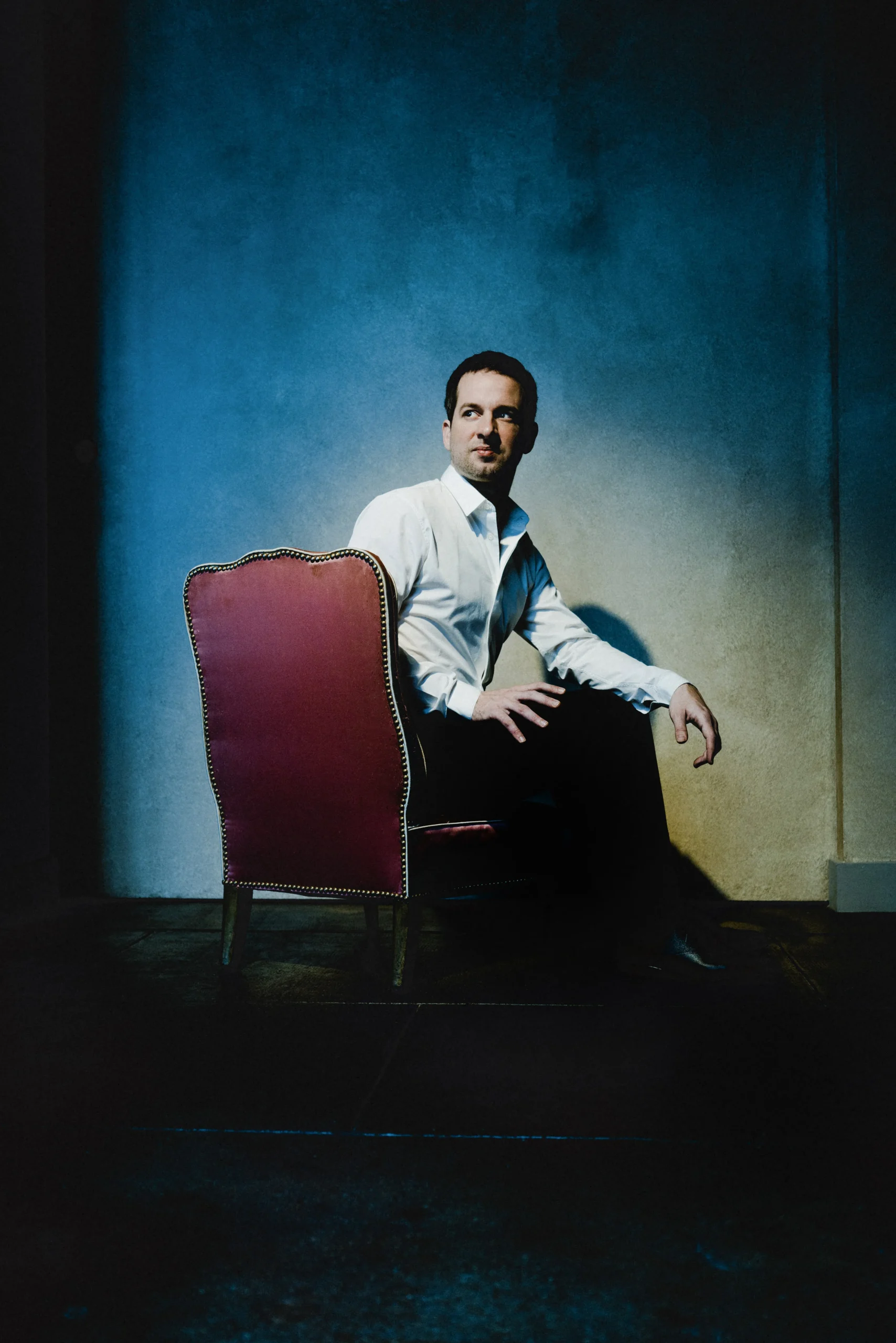
Crédits: www.marcoborggreve.com
Publications similaires :
 Festival Ravel : Fleur Barron mezzo-soprano, Aliya Vodovozova flûte, Clara-Jumi Kang violon, Jean-Guihen Queyras violoncelle, Bertrand Chamayou piano Kirill – 01-09-2025 – Urrugne
  Festival Ravel : Corina Belcea, violon Jean-Guihen Queyras, violoncelle et Bertrand Chamayou, piano – 04-09-2025 – Ciboure
  Festival Ravel : Barbara Hannigan, soprano Bertrand Chamayou, piano – 30-08-2025 – Ciboure
  Festival Ravel : Bertrand Chamayou, piano – 02-09-2025 – Ciboure