Visite Guidée de la Bibliothèque – Pont-à-Mousson
Description
English
Deutsch
Dutch
Español
Italiano
Description
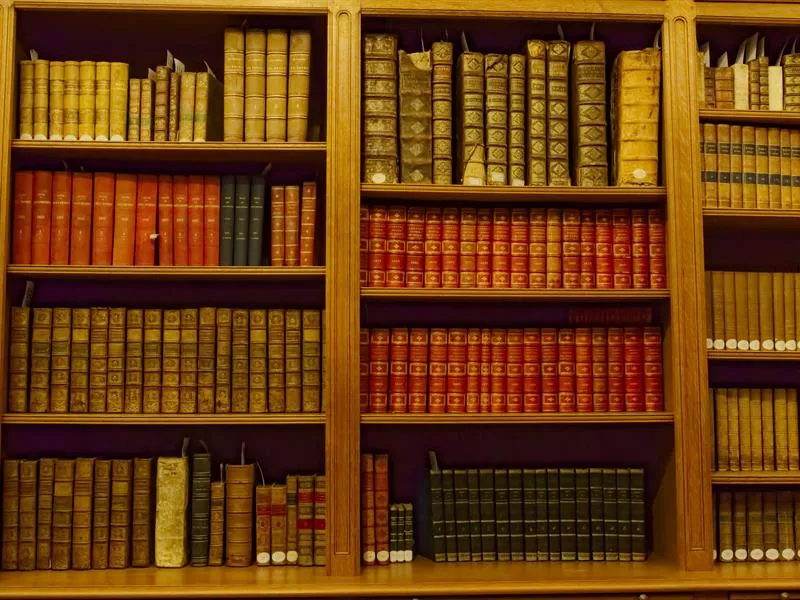
Nichée au premier étage de l’Abbaye des Prémontrés, la bibliothèque Grandpierre abrite des trésors littéraires et historiques. Créée en 1975 par l’association des Amis des Prémontrés, cette collection rend hommage à l’ancienne bibliothèque de l’Abbaye, détruite en 1944. Lors de cette visite d’une heure, une médiatrice vous plongera dans l’histoire de la bibliothèque du XVIIIe siècle, conçue par l’architecte Nicolas Pierson, célèbre pour son décor et sa collection inestimable, malheureusement disparue lors de deux incendies. Vous explorerez ensuite la bibliothèque Grandpierre, habituellement fermée au public, et découvrirez ses rayonnages remplis de livres anciens des XVIIe et XVIIIe siècles.
English
Nestled on the second floor of the Abbaye des Prémontrés, the Grandpierre library houses literary and historical treasures. Created in 1975 by the Association des Amis des Prémontrés, this collection pays tribute to the Abbey?s former library, destroyed in 1944. During this one-hour tour, a mediator will plunge you into the history of the 18th-century library, designed by architect Nicolas Pierson, famous for its décor and priceless collection, sadly lost in two fires. You will then explore the Grandpierre library, usually closed to the public, and discover its shelves filled with antique books from the 17th and 18th centuries.
Deutsch
Die Bibliothek Grandpierre befindet sich im ersten Stock der Abtei der Prémontrés und beherbergt literarische und historische Schätze. Die Sammlung wurde 1975 von der Vereinigung der Freunde der Prémontrés gegründet und ist eine Hommage an die alte Bibliothek der Abtei, die 1944 zerstört wurde. Jahrhundert, die vom Architekten Nicolas Pierson entworfen wurde und für ihre Ausstattung und ihre unschätzbare Sammlung berühmt ist, die leider bei zwei Bränden verloren ging. Anschließend erkunden Sie die Grandpierre-Bibliothek, die normalerweise für die Öffentlichkeit geschlossen ist, und entdecken die Regale voller alter Bücher aus dem 17. und 18.
Dutch
Op de eerste verdieping van de Abdij van Prémontrés herbergt de Bibliotheek Grandpierre literaire en historische schatten. Deze collectie werd in 1975 aangelegd door de Association des Amis des Prémontrés en is een eerbetoon aan de vroegere bibliotheek van de abdij, die in 1944 werd verwoest. Tijdens deze rondleiding van een uur neemt een tolk u mee door de geschiedenis van de 18e-eeuwse bibliotheek, ontworpen door de architect Nicolas Pierson, beroemd om zijn decor en kostbare collectie, die helaas verdween in twee branden. Vervolgens verken je de Grandpierre bibliotheek, die normaal gesproken gesloten is voor het publiek, en ontdek je de planken vol oude boeken uit de 17e en 18e eeuw.
Español
Ubicada en la primera planta de la Abadía de Prémontrés, la Biblioteca Grandpierre alberga tesoros literarios e históricos. Creada en 1975 por la Association des Amis des Prémontrés, esta colección rinde homenaje a la antigua biblioteca de la Abadía, destruida en 1944. Durante esta visita de una hora, un intérprete le conducirá a través de la historia de la biblioteca del siglo XVIII, diseñada por el arquitecto Nicolas Pierson, famosa por su decoración y su valiosa colección, desgraciadamente desaparecida en dos incendios. A continuación, explorará la biblioteca Grandpierre, habitualmente cerrada al público, y descubrirá sus estanterías repletas de libros antiguos de los siglos XVII y XVIII.
Italiano
Situata al primo piano dell'Abbaye des Prémontrés, la Biblioteca Grandpierre ospita tesori letterari e storici. Creata nel 1975 dall'Associazione degli Amici dei Prémontrés, questa collezione rende omaggio all'antica biblioteca dell'Abbazia, distrutta nel 1944. Durante la visita, della durata di un'ora, un interprete vi farà ripercorrere la storia della biblioteca del XVIII secolo, progettata dall'architetto Nicolas Pierson, famosa per il suo arredamento e la sua inestimabile collezione, purtroppo scomparsa in due incendi. Esplorerete poi la biblioteca Grandpierre, solitamente chiusa al pubblico, e scoprirete i suoi scaffali pieni di libri antichi del XVII e XVIII secolo.
9 rue Saint Martin, 54700 Pont-à-Mousson
Crédits: Abbaye des Prémontrés