Petit-Mesnil – Petit-Mesnil
Description
English
Deutsch
Dutch
Español
Italiano
Description
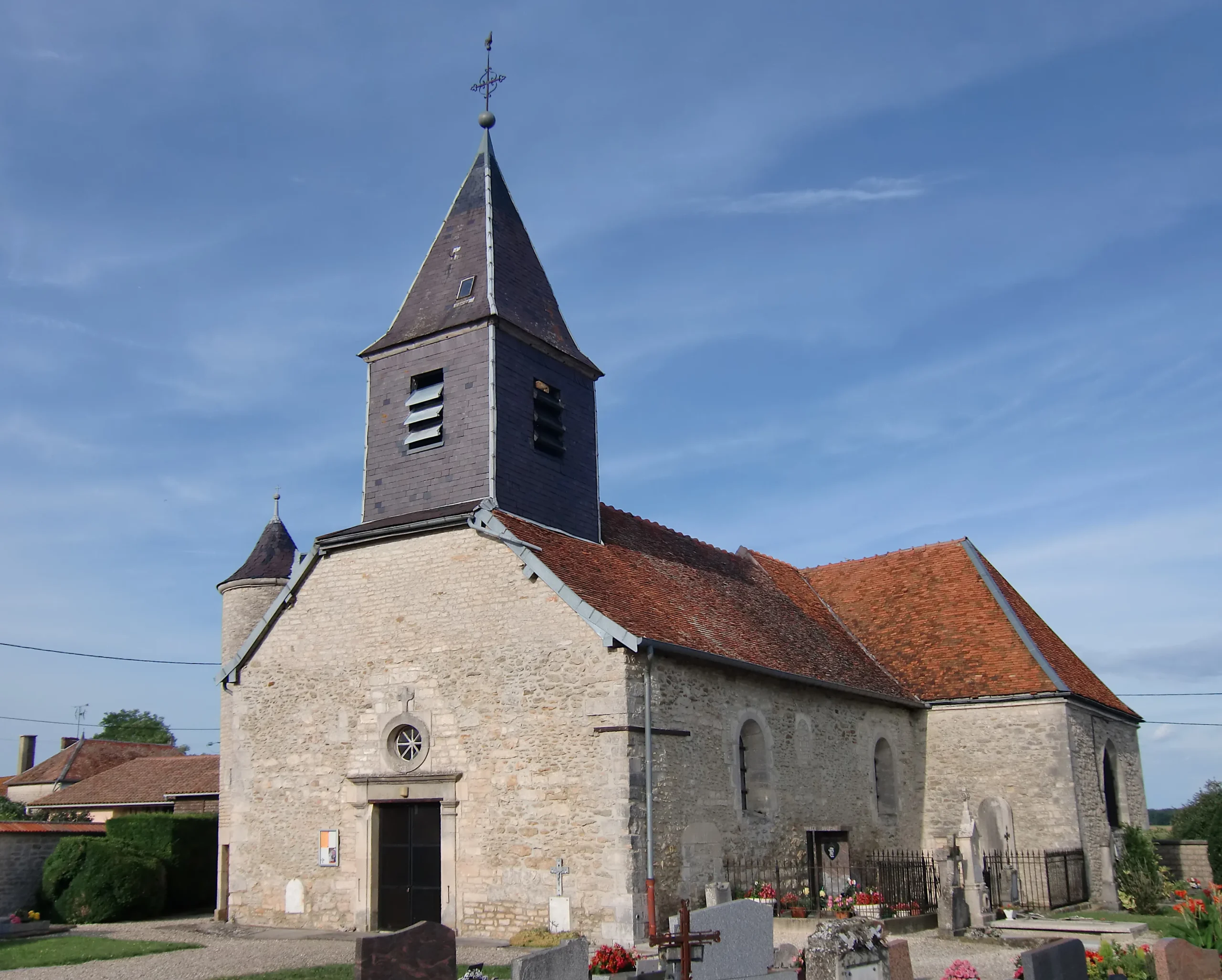
Avant de s'appeler Petit Mesnil, le village a porté successivement les noms de Petit Maigni en 1301, Petit magnil au XVIème siècle,Petit Mesgnil au XVIIème siècle, Petit Menil en 1720 et Petit Mesnil à la fin du XVIIIème siècle. Le fief du village relevait de Brienne au XIIIème siècle et en 1516 il appartenait à Jacques Le Morhier. Petit Mesnil a un hameau au nom peu commun : La Giberie. Celui-ci doit son nom la proximité du lieu-dit La Potence, là où se situent aujourd'hui la Mairie et l'Ecole et où devaient s'exécuter les sentences des seigneurs du lieu. Une croix rappelle encore l'endroit où se trouvait le gibet. La Potence est aussi le lieu où Napoléon surveilla à la jumelle le déroulement de la bataille de la Rohtière en 1814. Petit Mesnil possède un Château du XIXème siècle à la Giberie. Ce château fut habité par Pépin Marcheré, négociant en bois qui exploitait la forêt environnante, qui fit construire des maisons à pans debois afin de loger ses bucherons et charbonniers. Un peu plus loin que La Giberie, l'étang de Ramerupt est un sanctuaire pour la faune locale. L'Eglise Saint Etienne dont l'abside date du 12ème siècle est remarquable par son autel et son retable provenant de l'abbaye de Basse Fontaine. Population : 215 habitants (Source INSEE-PSDC 1999) Superficie : 1483 hectares Altitude : 153 mètres
English
Before being called Petit Mesnil, the village was successively named Petit Maigni in 1301, Petit magnil in the 16th century, Petit Mesgnil in the 17th century, Petit Menil in 1720 and Petit Mesnil at the end of the 18th century. The fiefdom of the village belonged to Brienne in the 13th century and in 1516 it belonged to Jacques Le Morhier. Petit Mesnil has a hamlet with an unusual name: La Giberie. This owes its name to the proximity of the place called La Potence, where the town hall and the school are located today and where the sentences of the lords of the place were to be carried out. A cross still reminds us of the place where the gallows used to be. La Potence is also the place where Napoleon watched with binoculars over the Battle of la Rohtière in 1814. Petit Mesnil has a XIXth century castle in La Giberie. This castle was inhabited by Pépin Marcheré, a wood merchant who exploited the surrounding forest and had timber-framed houses built to house his woodcutters and charcoal burners. A little further than La Giberie, the pond of Ramerupt is a sanctuary for the local fauna. The Church of Saint Etienne whose apse dates from the 12th century is remarkable for its altar and altarpiece from the Abbey of Basse Fontaine. Population: 215 inhabitants (Source INSEE-PSDC 1999) Area: 1483 hectares Altitude: 153 metres
Deutsch
Bevor das Dorf Petit Mesnil genannt wurde, trug es nacheinander die Namen Petit Maigni im Jahr 1301, Petit magnil im 16. Jahrhundert,Petit Mesgnil im 17. Jahrhundert, Petit Menil im Jahr 1720 und Petit Mesnil am Ende des 18. Jahrhunderts. Das Lehen des Dorfes unterstand im 13. Jahrhundert Brienne und 1516 gehörte es Jacques Le Morhier. Petit Mesnil hat einen Weiler mit einem ungewöhnlichen Namen: La Giberie. Dieser verdankt seinen Namen der Nähe des Ortes La Potence, wo sich heute das Rathaus und die Schule befinden und wo die Urteile der Ortsherren vollstreckt werden sollten. Ein Kreuz erinnert noch an den Ort, an dem der Galgen stand. La Potence ist auch der Ort, an dem Napoleon 1814 mit einem Fernglas den Verlauf der Schlacht von La Rohtière überwachte. Petit Mesnil besitzt ein Schloss aus dem 19. Jahrhundert in La Giberie. Dieses Schloss wurde von Pépin Marcheré bewohnt, einem Holzhändler, der den umliegenden Wald bewirtschaftete. Er ließ Fachwerkhäuser bauen, um seine Holzfäller und Köhler zu beherbergen. Etwas weiter entfernt von La Giberie befindet sich der Étang de Ramerupt, ein Zufluchtsort für die einheimische Tierwelt. Die Kirche Saint Etienne, deren Apsis aus dem 12. Jahrhundert stammt, ist durch ihren Altar und ihr Altarbild aus der Abtei von Basse Fontaine bemerkenswert. Bevölkerung: 215 Einwohner (Quelle: INSEE-PSDC 1999) Fläche: 1483 Hektar Höhe: 153 Meter
Dutch
Voordat het dorp Petit Mesnil werd genoemd, heette het achtereenvolgens Petit Maigni in 1301, Petit magnil in de 16e eeuw, Petit Mesgnil in de 17e eeuw, Petit Menil in 1720 en Petit Mesnil aan het eind van de 18e eeuw. Het leengoed van het dorp behoorde in de 13e eeuw toe aan Brienne en in 1516 aan Jacques Le Morhier. Petit Mesnil heeft een gehucht met een ongebruikelijke naam: La Giberie. Deze dankt zijn naam aan de nabijheid van de plaats die bekend staat als La Potence, waar nu het stadhuis en de school staan en waar de vonnissen van de plaatselijke heren werden voltrokken. Een kruis herinnert ons nog steeds aan de plaats waar de galg stond. De galg is ook de plaats waar Napoleon met een verrekijker de slag bij Rohtière in 1814 bekeek. Petit Mesnil heeft een 19e eeuws kasteel in La Giberie. Dit kasteel werd bewoond door Pépin Marcheré, een houthandelaar die het omringende bos exploiteerde en die vakwerkhuizen liet bouwen om zijn houthakkers en houtskoolmakers te huisvesten. Iets verder weg van La Giberie is de vijver van Ramerupt een toevluchtsoord voor de plaatselijke fauna. De kerk Saint Etienne, waarvan de apsis dateert uit de 12e eeuw, is opmerkelijk vanwege het altaar en het altaarstuk uit de abdij van Basse Fontaine. Bevolking: 215 inwoners (Bron INSEE-PSDC 1999) Oppervlakte: 1483 hectare Hoogte: 153 meter
Español
Antes de llamarse Petit Mesnil, el pueblo se llamó sucesivamente Petit Maigni en 1301, Petit magnil en el siglo XVI, Petit Mesgnil en el siglo XVII, Petit Menil en 1720 y Petit Mesnil a finales del siglo XVIII. El feudo del pueblo pertenecía a Brienne en el siglo XIII y en 1516 pertenecía a Jacques Le Morhier. Petit Mesnil tiene una aldea con un nombre inusual: La Giberie. Debe su nombre a la proximidad del lugar conocido como La Potence, donde hoy se encuentran el Ayuntamiento y la Escuela y donde se ejecutaban las sentencias de los señores locales. Una cruz sigue recordando el lugar donde se encontraba la horca. La horca es también el lugar donde Napoleón observó con prismáticos la batalla de Rohtière en 1814. Petit Mesnil cuenta con un castillo del siglo XIX en La Giberie. Este castillo fue habitado por Pépin Marcheré, un comerciante de madera que explotaba el bosque circundante, que hizo construir casas con entramado de madera para albergar a sus leñadores y carboneros. Un poco más lejos de La Giberie, el estanque de Ramerupt es un santuario para la fauna local. La iglesia de Saint Etienne, cuyo ábside data del siglo XII, destaca por su altar y su retablo de la abadía de Basse Fontaine. Población: 215 habitantes (Fuente INSEE-PSDC 1999) Superficie: 1483 hectáreas Altitud: 153 metros
Italiano
Prima di chiamarsi Petit Mesnil, il villaggio fu chiamato successivamente Petit Maigni nel 1301, Petit magnil nel XVI secolo, Petit Mesgnil nel XVII secolo, Petit Menil nel 1720 e Petit Mesnil alla fine del XVIII secolo. Il feudo del villaggio apparteneva a Brienne nel XIII secolo e nel 1516 a Jacques Le Morhier. A Petit Mesnil si trova una frazione dal nome insolito: La Giberie. Deve il suo nome alla vicinanza del luogo noto come La Potence, dove oggi si trovano il Municipio e la Scuola e dove venivano eseguite le sentenze dei signori locali. Una croce ricorda ancora il luogo in cui si trovava il patibolo. Il patibolo è anche il luogo in cui Napoleone osservò con il binocolo la battaglia di Rohtière nel 1814. Il Petit Mesnil possiede un castello del XIX secolo a La Giberie. Questo castello fu abitato da Pépin Marcheré, un commerciante di legname che sfruttava la foresta circostante e che fece costruire case a graticcio per ospitare i suoi taglialegna e i suoi carbonai. Un po' più lontano da La Giberie, lo stagno di Ramerupt è un santuario per la fauna locale. La chiesa di Saint Etienne, la cui abside risale al XII secolo, si distingue per l'altare e la pala d'altare dell'abbazia di Basse Fontaine. Popolazione: 215 abitanti (Fonte INSEE-PSDC 1999) Superficie: 1483 ettari Altitudine: 153 metri