Manoir de Boyac – Ploërmel
Description
English
Deutsch
Dutch
Español
Italiano
Description
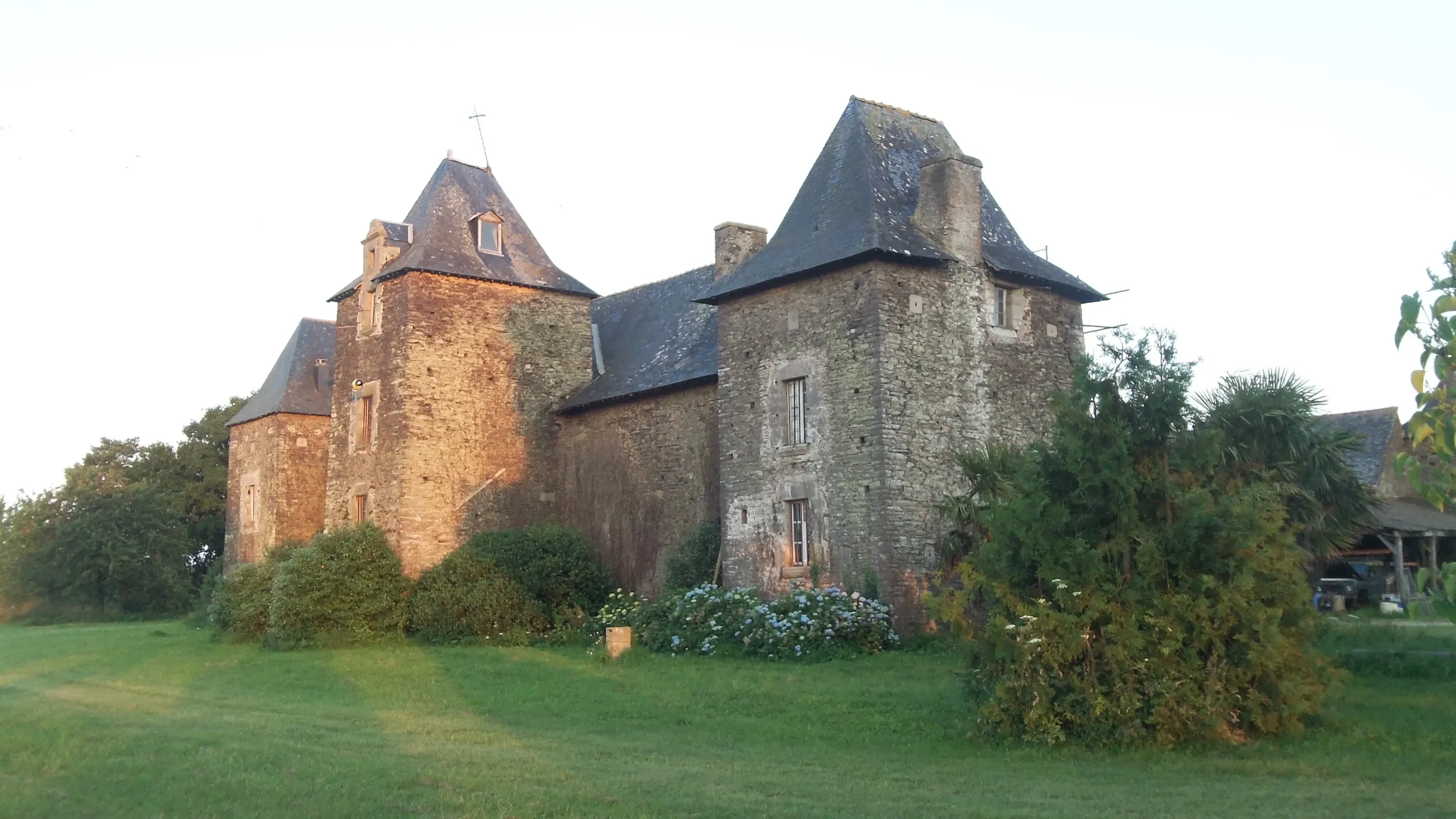
On retrouve mention de Boyac dès le 9e siècle mais il faut attendre le 15e siècle pour entendre parler d'un bâtiment. Fait exceptionnel, le manoir n'a pas été remanié depuis au moins 1676. Composé d'un grand corps de bâtiment entouré de deux pavillons à l'Est et à l'Ouest ainsi que d'une tour d'escalier au Nord, la manoir est restauré depuis quelques années par son propriétaire dans les plus strictes règles de l'art.
Le manoir de Boyac se visite toute l'année sur demande gratuitement. Il fait également l'objet d'ouvertures exceptionnelles comme par exemple pour les journées européennes du patrimoine où ses propriétaires se font un plaisir de partager l'histoire du lieu et leur passion pour ces vieilles pierres.
English
Boyac was mentioned as early as the 9th century, but it was not until the 15th century that a building was mentioned. Exceptionally, the manor has not been altered since at least 1676. Composed of a large building surrounded by two pavilions to the east and west and a stair tower to the north, the manor has been restored by its owner in the last few years according to the strictest rules of art
The manor of Boyac can be visited all year round on request free of charge. It is also the object of exceptional openings as for example for the European days of the inheritance where its owners make a pleasure of sharing the history of the place and their passion for these old stones.
Deutsch
Boyac wurde bereits im 9. Jahrhundert erwähnt, aber erst im 15. Jahrhundert hörte man von einem Gebäude. Außergewöhnlich ist, dass das Herrenhaus seit mindestens 1676 nicht mehr umgebaut wurde. Das Herrenhaus besteht aus einem großen Gebäudekörper, der von zwei Pavillons im Osten und Westen sowie einem Treppenturm im Norden umgeben ist, und wird seit einigen Jahren von seinem Besitzer nach den strengsten Regeln der Kunst restauriert
Das Manoir de Boyac kann das ganze Jahr über auf Anfrage kostenlos besichtigt werden. Die Besitzer freuen sich, die Geschichte des Ortes und ihre Leidenschaft für die alten Steine mit Ihnen zu teilen.
Dutch
Boyac wordt al in de 9e eeuw genoemd, maar pas in de 15e eeuw is er sprake van een gebouw. Het landhuis is uitzonderlijk genoeg niet veranderd sinds minstens 1676. Bestaande uit een groot hoofdgebouw omgeven door twee paviljoens aan de oost- en westzijde en een traptoren aan de noordzijde, is het landhuis de afgelopen jaren door de eigenaar gerestaureerd volgens de strengste regels van de kunst
Het landhuis Boyac kan op verzoek het hele jaar door gratis worden bezocht. Het is ook open voor het publiek bij speciale gelegenheden, zoals de Europese Erfgoeddagen, wanneer de eigenaars graag de geschiedenis van de plek en hun passie voor deze oude stenen delen.
Español
Boyac se menciona ya en el siglo IX, pero hasta el siglo XV no se habla de un edificio. Excepcionalmente, la mansión no ha sido alterada desde al menos 1676. Compuesto por un gran edificio principal rodeado de dos pabellones al este y al oeste y una torre escalonada al norte, el palacete ha sido restaurado por su propietario en los últimos años siguiendo las más estrictas reglas del arte
La casa solariega de Boyac puede visitarse durante todo el año, previa solicitud, de forma gratuita. También está abierto al público en ocasiones especiales, como las Jornadas Europeas del Patrimonio, cuando sus propietarios están encantados de compartir la historia del lugar y su pasión por estas viejas piedras.
Italiano
Boyac è menzionato già nel IX secolo, ma solo nel XV secolo si parla di un edificio. Eccezionalmente, il maniero non è stato modificato almeno dal 1676. Composto da un grande edificio principale circondato da due padiglioni a est e a ovest e da una torre scalare a nord, il maniero è stato restaurato dal suo proprietario negli ultimi anni secondo le più severe regole dell'arte
Il maniero di Boyac può essere visitato gratuitamente tutto l'anno su richiesta. È aperto al pubblico anche in occasioni speciali, come le Giornate Europee del Patrimonio, quando i proprietari sono felici di condividere la storia del luogo e la loro passione per queste antiche pietre.