Eglise de Saint Aignan – Chaumont
Description
English
Deutsch
Dutch
Español
Italiano
Description
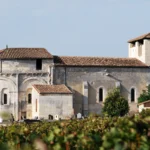
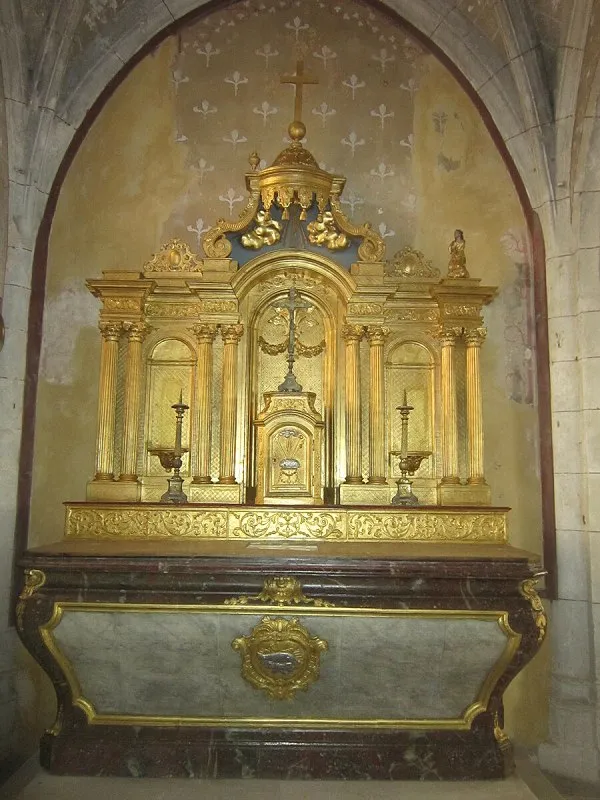
L'église de Saint Aignan est située dans l'ancien hameau de Reclancourt, dont l'existence remonterait au moins au 13ème siècle. L'édifice fut partiellement reconstruit et modifié aux 16ème et 19ème siècles mais il possède aujourd'hui encore des parties anciennes dont la datation serait proche du 13ème siècle. En particulier le clocher, qui par son aspect décoratif et sa forme massive s'avère un des éléments parmi les plus intéressants de l'édifice. A l'intérieur on peut admirer le retable tabernacle de l'autel en bois doré, commandé à Jean-Baptiste Bouchardon le 11 septembre 1735, restauré avec le maître-autel en 2011. L'édifice a été inscrit aux monuments historiques le 24 février 1992.
English
The church of Saint Aignan is located in the ancient hamlet of Reclancourt, which is thought to date back at least to the 13th century. The building was partially rebuilt and modified in the 16th and 19th centuries, but it still has some old parts dating back to the 13th century. The bell tower, in particular, is one of the building's most interesting features, thanks to its decorative appearance and massive form. Inside, you can admire the gilded wooden altar tabernacle, commissioned from Jean-Baptiste Bouchardon on September 11, 1735, and restored along with the high altar in 2011. The building was listed as a historic monument on February 24, 1992.
Deutsch
Die Kirche Saint Aignan befindet sich im alten Weiler Reclancourt, dessen Existenz mindestens auf das 13. Jahrhundert zurückgehen soll. Das Gebäude wurde im 16. und 19. Jahrhundert teilweise umgebaut und verändert, besitzt aber noch heute alte Teile, deren Datierung nahe am 13. Jahrhundert liegt. Insbesondere der Glockenturm, der sich durch sein dekoratives Aussehen und seine massive Form als eines der interessantesten Elemente des Gebäudes erweist. Im Inneren kann man das Tabernakelretabel des Altars aus vergoldetem Holz bewundern, das am 11. September 1735 bei Jean-Baptiste Bouchardon in Auftrag gegeben und 2011 zusammen mit dem Hauptaltar restauriert wurde. Das Gebäude wurde am 24. Februar 1992 in die Liste der historischen Denkmäler aufgenommen.
Dutch
De kerk Saint-Aignan ligt in het voormalige gehucht Reclancourt, waarvan men denkt dat het minstens uit de 13e eeuw dateert. Het gebouw werd gedeeltelijk herbouwd en aangepast in de 16e en 19e eeuw, maar het heeft nog steeds enkele oude delen die gedateerd kunnen worden uit de 13e eeuw. Vooral de klokkentoren is een van de interessantste kenmerken van het gebouw, vanwege het decoratieve uiterlijk en de massieve vorm. Binnen kun je het tabernakel van het vergulde houten altaar bewonderen, dat op 11 september 1735 in opdracht van Jean-Baptiste Bouchardon werd gemaakt en samen met het hoofdaltaar in 2011 werd gerestaureerd. Het gebouw werd op 24 februari 1992 op de monumentenlijst geplaatst.
Español
La iglesia de Saint Aignan está situada en la antigua aldea de Reclancourt, que se cree que data al menos del siglo XIII. El edificio fue parcialmente reconstruido y modificado en los siglos XVI y XIX, pero aún conserva algunas partes antiguas que pueden datarse en el siglo XIII. El campanario, en particular, con su aspecto decorativo y su forma maciza, es uno de los elementos más interesantes del edificio. En el interior, se puede admirar el tabernáculo del altar de madera dorada encargado a Jean-Baptiste Bouchardon el 11 de septiembre de 1735, que fue restaurado junto con el altar mayor en 2011. El edificio fue declarado monumento histórico el 24 de febrero de 1992.
Italiano
La chiesa di Saint Aignan si trova nell'antico borgo di Reclancourt, che si pensa risalga almeno al XIII secolo. L'edificio è stato parzialmente ricostruito e modificato nei secoli XVI e XIX, ma conserva ancora alcune parti antiche che risalgono al XIII secolo. Il campanile in particolare, con il suo aspetto decorativo e la sua forma massiccia, è una delle caratteristiche più interessanti dell'edificio. All'interno si può ammirare il tabernacolo d'altare in legno dorato commissionato a Jean-Baptiste Bouchardon l'11 settembre 1735, restaurato insieme all'altare maggiore nel 2011. L'edificio è stato classificato come monumento storico il 24 febbraio 1992.
, 52000 Chaumont
Crédits: Office de Tourisme du Pays de Chaumont