Chauray : une ville à la campagne – Chauray
Description
English
Deutsch
Dutch
Español
Italiano
Description
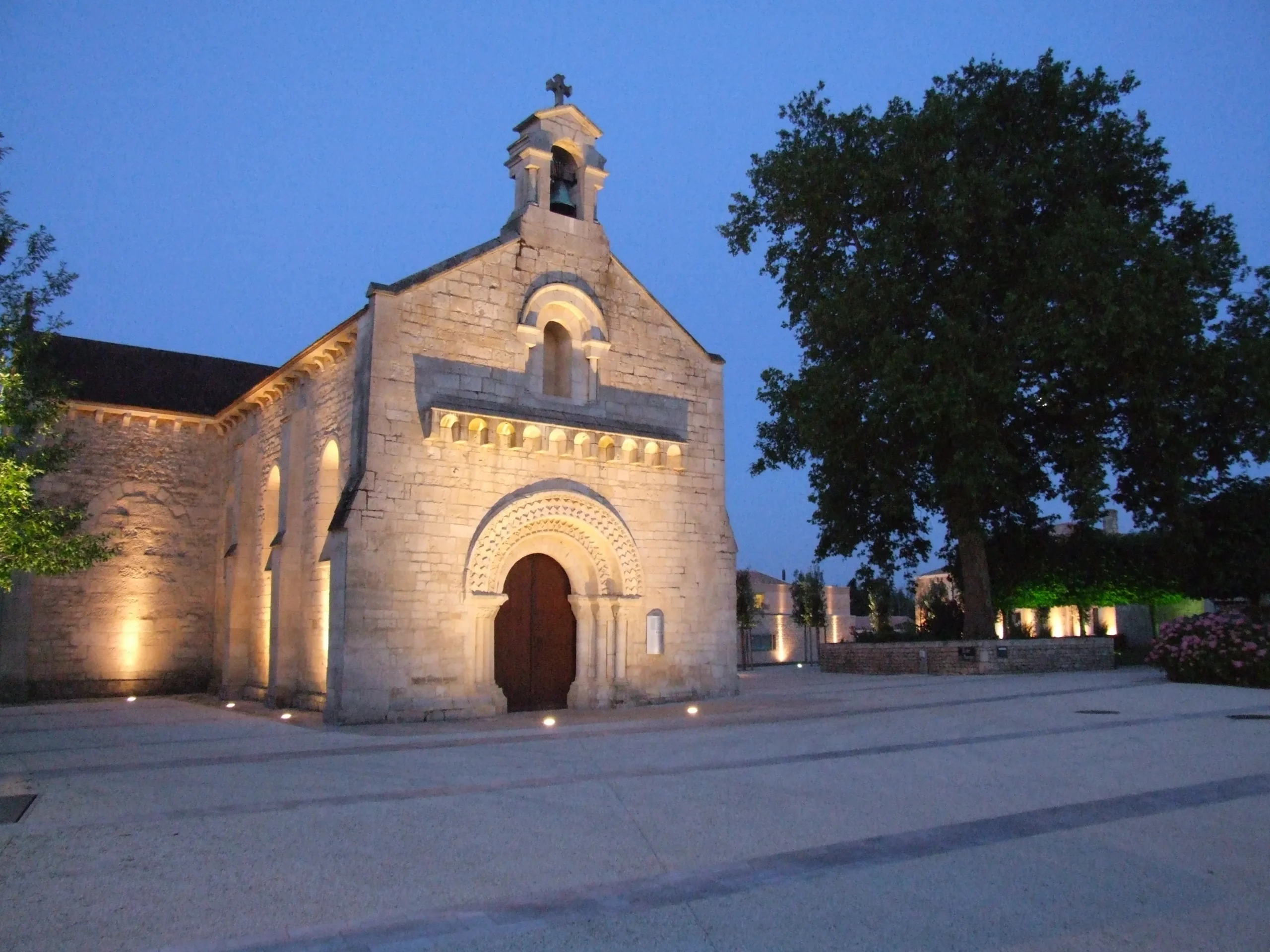
Cet ancien bourg rural, situé au sommet d’un coteau dominant la Sèvre Niortaise, est cité pour la première fois en 904 dans un acte de l’abbaye de St-Maixent. Son histoire est surtout marquée par les exactions menées contre la population protestante lors des Dragonnades du XVIIè s. Pour rappeler ce passé, le blason municipal emprunte celui de Jacques Chalmot, seigneur des Deffends, persécuté et forcé à l’exil en Allemagne. Le vieux bourg conserve sa simplicité originelle et les Bords de Sèvre réservent aux promeneurs sur 3,7 km un cadre champêtre et ombragé (aménagement de 7 ha de prairies en chemins et mise en valeur du petit patrimoine – pont médiéval, moulins, lavoir, mini-parc à daims). A voir : église St-Pierre, Temple de Chauray, château de Chaban (XIXè s.), la Roche du Montet (XIXè s.) et cimetières protestants. A faire : Centre aquatique et randonnées pédestres.
English
This former rural village, situated at the top of a hillside overlooking the Sèvre Niortaise, is cited for the first time in 904 in an act of the Abbey of St-Maixent. Its history is mainly marked by the exactions carried out against the Protestant population during the Dragonnades of the 17th century. To recall this past, the municipal coat of arms borrows that of Jacques Chalmot, lord of the Deffends, persecuted and forced into exile in Germany. The old town retains its original simplicity and the Bords de Sèvre reserve for walkers for 3.7 km a country and shady setting (development of 7 ha of meadows into paths and enhancement of the small heritage – medieval bridge, mills, wash-house, mini-park with deer). To see: St-Pierre church, Temple of Chauray, castle of Chaban (XIXth century), the Roche du Montet (XIXth century) and Protestant cemeteries What to do: Aquatic center and hiking
Deutsch
Diese alte ländliche Siedlung auf einem Hügel über der Sèvre Niortaise wurde erstmals 904 in einer Urkunde der Abtei von St-Maixent erwähnt. Die Geschichte des Ortes ist vor allem durch die Ausschreitungen gegen die protestantische Bevölkerung während der Dragonaden im 17. Um an diese Vergangenheit zu erinnern, wurde das Gemeindewappen dem Wappen von Jacques Chalmot entlehnt, der als Herr von Les Deffends verfolgt und ins deutsche Exil gezwungen wurde. Das alte Dorf hat seine ursprüngliche Schlichtheit bewahrt und die Bords de Sèvre bieten Spaziergängern auf 3,7 km eine ländliche und schattige Umgebung (7 ha Wiesen wurden zu Wegen umgestaltet und das kleine Kulturerbe – mittelalterliche Brücke, Mühlen, Waschhaus, Minipark für Damwild – aufgewertet) Sehenswert: Kirche St-Pierre, Tempel von Chauray, Schloss Chaban (19. Jh.), La Roche du Montet (19. Jh.) und protestantische Friedhöfe.
Dutch
Deze oude plattelandsstad, gelegen op een heuvel met uitzicht op de Sèvre Niortaise, werd voor het eerst genoemd in 904 in een akte van de abdij van St-Maixent. Zijn geschiedenis wordt vooral gekenmerkt door de vervolgingen tegen de protestantse bevolking tijdens de Dragonnades van de 17e eeuw. Ter herinnering aan dit verleden leent het gemeentewapen dat van Jacques Chalmot, heer van Deffends, vervolgd en gedwongen tot ballingschap in Duitsland. De oude stad heeft zijn oorspronkelijke eenvoud behouden en de 3,7 km van de Bords de Sèvre bieden wandelaars een schaduwrijke, landelijke omgeving (7 ha weilanden zijn omgevormd tot paden en het kleine erfgoed – middeleeuwse brug, molens, wasplaats, mini-hertenkamp – is in de verf gezet) Te zien: de kerk St-Pierre, de tempel van Chauray, het kasteel van Chaban (19e eeuw), de Roche du Montet (19e eeuw) en de protestantse begraafplaatsen. Te
Español
Este antiguo poblado rural, situado en la cima de una colina que domina la savia Niortesa, es citado por primera vez en 904 en un acto de la abadía de San Martín. Su historia está marcada sobre todo por los abusos cometidos contra la población protestante durante los Dragonnades del siglo xvii. Para recordar este pasado, el escudo municipal toma prestado el de Jacques Chalmot, señor de los Deffends, perseguido y obligado al exilio en Alemania. El viejo poblado conserva su simplicidad original y los bordes de secano reservan a los paseantes 3,7 km un entorno campestre y sombreado (acondicionamiento de 7 hectáreas de praderas en caminos y valorización del pequeño patrimonio – puente medieval, molinos, lavadero, mini-parque de gamuza). A ver: iglesia de San Pedro, Templo de Chauray, castillo de Chaban, la Roca del Montet y cementerios protestantes. A hacer: Centro acuático y senderismo.
Italiano
Questa antica città rurale, situata su una collina che domina la Sèvre Niortaise, viene menzionata per la prima volta nel 904 in un atto dell'abbazia di St-Maixent. La sua storia è segnata soprattutto dalle esazioni compiute contro la popolazione protestante durante le dragonate del XVII secolo. Per ricordare questo passato, lo stemma comunale prende in prestito quello di Jacques Chalmot, signore di Deffends, perseguitato e costretto all'esilio in Germania. La città vecchia ha conservato la sua semplicità originale e i Bords de Sèvre (3,7 km) offrono agli escursionisti un ambiente rurale e ombreggiato (7 ettari di prati sono stati trasformati in sentieri e il piccolo patrimonio – ponte medievale, mulini, lavatoio, mini parco dei cervi – è stato messo in evidenza) Da vedere: la chiesa di St-Pierre, il tempio di Chauray, il castello di Chaban (XIX secolo), la Roche du Montet (XIX secolo) e i cimiteri protestanti. Da fare: centro acquatico ed escursioni.