Château de Nieul et son parc – Nieul
Description
English
Deutsch
Dutch
Español
Italiano
Description
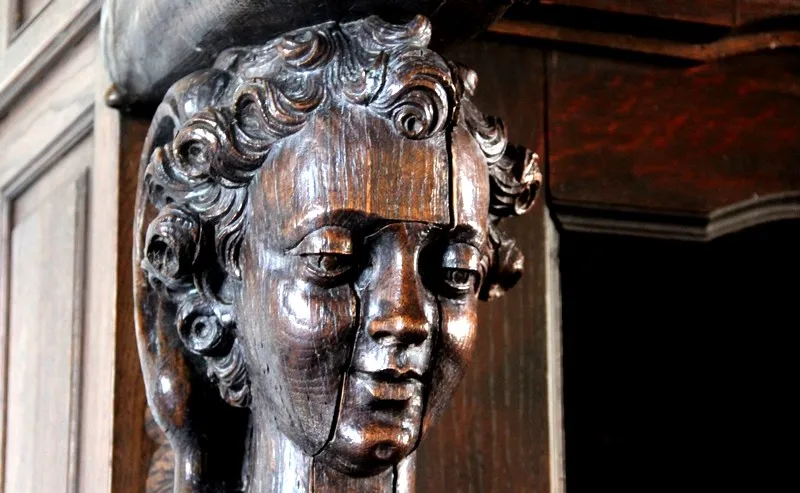
Au XIe s., le château est une forteresse médiévale. De nombreux propriétaires se succèdent dont Montrocher, de Stuer… Dans la bibliothèque on remarque une cheminée de style Renaissance sculptée d'une Salamandre. En 1837 Durand de la Saigne du Boucheron restaure l'édifice et en 1877 c’est Armand Nivet, amateur d’art, qui entreprend des transformations d'où ses initiales dans les salles d’honneur (cheminée et poutres) et de justice (plafond). À l’intérieur, des vitraux des XIII, XVI et XVIIe s. d’origine germanique, flamande et suisse illuminent les fenêtres. La commune en est propriétaire depuis 1936 et depuis 1946, l'édifice et ses abords constituent un site classé. Ces espaces publics aux ambiances contrastées (vallons, cascades, étang , parc) forment un paysage pittoresque dans le bourg. Visite sur RDV avec l'association Nieul et Alentours.
English
By the 11th century, the château was a medieval fortress. It has had a succession of owners, including Montrocher, de Stuer… The library features a Renaissance-style fireplace carved with a Salamander. In 1837, Durand de la Saigne du Boucheron restored the building, and in 1877, art enthusiast Armand Nivet undertook transformations, hence his initials in the main hall (fireplace and beams) and courtroom (ceiling). Inside, 13th-, 16th- and 17th-century stained glass of Germanic, Flemish and Swiss origin illuminates the windows. Owned by the commune since 1936, the building and its surroundings have been a listed site since 1946. These public spaces with their contrasting atmospheres (valleys, waterfalls, pond, park) form a picturesque landscape in the village. Visits by appointment with the Nieul et Alentours association.
Deutsch
Im 11. Jh. ist das Schloss eine mittelalterliche Festung. Zahlreiche Besitzer wechselten sich ab, darunter Montrocher, de Stuer… In der Bibliothek ist ein Kamin im Renaissancestil mit einer Salamander-Skulptur zu sehen. 1837 restaurierte Durand de la Saigne du Boucheron das Gebäude und 1877 nahm der Kunstliebhaber Armand Nivet Umbauten vor. Daher stammen die Initialen im Ehrensaal (Kamin und Balken) und im Gerichtssaal (Decke). Im Inneren beleuchten Glasmalereien aus dem 13., 16. und 17. Jahrhundert germanischer, flämischer und schweizerischer Herkunft die Fenster. Die Gemeinde ist seit 1936 Eigentümerin des Gebäudes und seit 1946 stehen das Gebäude und seine Umgebung unter Denkmalschutz. Diese öffentlichen Räume mit kontrastreichen Stimmungen (Täler, Wasserfälle, Teich, Park) bilden eine malerische Landschaft in der Stadt. Besichtigung nach Vereinbarung mit dem Verein Nieul et Alentou
Dutch
In de 11e eeuw was het kasteel een middeleeuws fort. Het heeft verschillende eigenaren gehad, waaronder Montrocher en de Stuer. De bibliotheek heeft een schouw in renaissancestijl met een salamander. In 1837 restaureerde Durand de la Saigne du Boucheron het gebouw en in 1877 verbouwde Armand Nivet, een kunstliefhebber, het, vandaar de initialen in de hal (open haard en balken) en de rechtszaal (plafond). Binnen verlichten glas-in-loodramen uit de 13e, 16e en 17e eeuw van Germaanse, Vlaamse en Zwitserse oorsprong de ramen. Het is sinds 1936 eigendom van de gemeente en het gebouw en de omgeving staan sinds 1946 op de monumentenlijst. Deze openbare ruimtes met hun contrasterende sferen (valleien, watervallen, vijver, park) vormen een schilderachtig landschap in de stad. Bezoek op afspraak met de vereniging Nieul et Alentours.
Español
En el siglo XI, el castillo era una fortaleza medieval. Ha tenido una sucesión de propietarios, entre ellos Montrocher y de Stuer. La biblioteca presenta una chimenea de estilo renacentista tallada con una salamandra. En 1837, Durand de la Saigne du Boucheron restauró el edificio y, en 1877, Armand Nivet, amante del arte, se encargó de las reformas, de ahí las iniciales del vestíbulo (chimenea y vigas) y de la sala de audiencias (techo). En el interior, vidrieras de los siglos XIII, XVI y XVII de origen germánico, flamenco y suizo iluminan las ventanas. Es propiedad del ayuntamiento desde 1936, y el edificio y su entorno están catalogados desde 1946. Estos espacios públicos con sus ambientes contrastados (valles, cascadas, estanque, parque) forman un paisaje pintoresco en la ciudad. Visitas concertadas con la asociación Nieul et Alentours.
Italiano
Nell'XI secolo il castello era una fortezza medievale. Si sono succeduti diversi proprietari, tra cui Montrocher e de Stuer. La biblioteca presenta un camino in stile rinascimentale scolpito con una salamandra. Nel 1837 Durand de la Saigne du Boucheron restaurò l'edificio e nel 1877 Armand Nivet, appassionato d'arte, intraprese delle modifiche, da cui le iniziali nella sala d'ingresso (camino e travi) e nell'aula del tribunale (soffitto). All'interno, vetrate dei secoli XIII, XVI e XVII di origine germanica, fiamminga e svizzera illuminano le finestre. Di proprietà dell'autorità locale dal 1936, l'edificio e i suoi dintorni sono classificati dal 1946. Questi spazi pubblici con le loro atmosfere contrastanti (valli, cascate, laghetto, parco) formano un paesaggio pittoresco nella città. Visite su appuntamento con l'associazione Nieul et Alentours.