Salines royales – Dieuze
Description
English
Deutsch
Dutch
Español
Italiano
Description
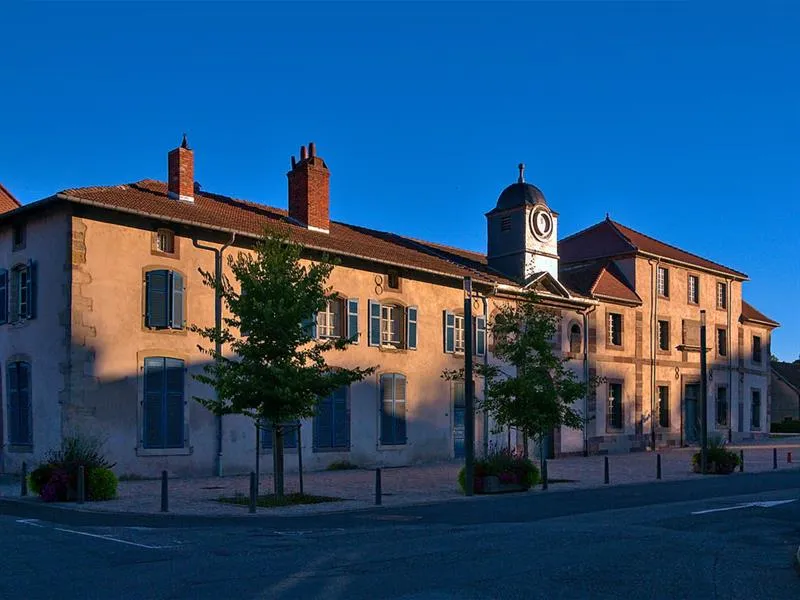
Durant des siècles, l'exploitation et le commerce du sel ont été une richesse pour la Lorraine et notamment pour la région du Saulnois qui lui doit son nom. Substance vitale, le sel a tenu une place primordiale dans la vie quotidienne : conservation des aliments, guérison des maladies… Signe de richesse, source de puissance, il a été l'enjeu de luttes entre les pouvoirs. A l'origine, Dieuze est d'abord un village modeste, voir même un hameau. La découverte de sources salées dans les environs immédiats a dû attirer quelque population et c'est ainsi que Dieuze prend, peu à peu de l'importance. L'ensemble des bâtiments du XVIIIème siècle sont liés à l'exploitation du sel. Il est possible de visiter le bâtiment du puits salé (le manège), la Délivrance (anciens magasins à sel), le bâtiment administratif et son parc. La porte principale monumentale (Louis XV) et les murs d'enceinte sont aussi à découvrir.
English
For centuries, the exploitation and trade of salt have been a source of wealth for Lorraine, and in particular for the Saulnois region which owes its name to it. A vital substance, salt played an essential role in daily life, preserving foodstuffs and curing illnesses. A sign of wealth and a source of power, salt has also been the focus of power struggles. Dieuze was originally a modest village, even a hamlet. The discovery of salt springs in the immediate vicinity must have attracted some population, and so Dieuze gradually grew in importance. All the 18th-century buildings are linked to the salt industry. You can visit the salt well building (the manège), the Délivrance (former salt stores), the administration building and its grounds. The monumental main gate (Louis XV) and the surrounding walls are also worth a visit.
Deutsch
Jahrhundertelang waren die Salzgewinnung und der Salzhandel ein Reichtum für Lothringen und insbesondere für die Region Saulnois, die dem Salz ihren Namen verdankt. Als lebenswichtige Substanz spielte Salz im täglichen Leben eine wichtige Rolle: Es konservierte Lebensmittel, heilte Krankheiten… Als Zeichen des Reichtums und Quelle der Macht war es Gegenstand von Machtkämpfen. Ursprünglich war Dieuze zunächst ein bescheidenes Dorf oder sogar ein Weiler. Die Entdeckung von Salzquellen in der näheren Umgebung zog wohl einige Menschen an, und so gewann Dieuze nach und nach an Bedeutung. Alle Gebäude aus dem 18. Jahrhundert stehen mit der Salzgewinnung in Verbindung. Man kann das Gebäude des Salzbrunnens (die Reithalle), die Délivrance (ehemalige Salzlager), das Verwaltungsgebäude und den Park besichtigen. Das monumentale Haupttor (Ludwig XV.) und die Umfassungsmauern sind ebenfalls zu besichtigen.
Dutch
Eeuwenlang waren de exploitatie en de handel in zout een bron van rijkdom voor Lotharingen, en in het bijzonder voor de regio Saulnois, waaraan het zijn naam ontleent. Zout, een vitale stof, speelde een essentiële rol in het dagelijks leven door voedsel te bewaren en ziektes te genezen. Het was een teken van rijkdom en een bron van macht, en het was dan ook het middelpunt van machtsstrijd. Dieuze was oorspronkelijk een bescheiden dorp, zelfs een gehucht. De ontdekking van zoutbronnen in de onmiddellijke omgeving moet enige bevolking hebben aangetrokken en zo groeide Dieuze geleidelijk aan in belang. Alle 18e-eeuwse gebouwen zijn verbonden met de zoutindustrie. Je kunt een bezoek brengen aan het gebouw van de zoutput (de manège), de Délivrance (voormalige zoutwinkels), het administratieve gebouw en het bijbehorende terrein. De monumentale hoofdpoort (Louis XV) en de omringende muren zijn ook een bezoek waard.
Español
Durante siglos, la explotación y el comercio de la sal han sido una fuente de riqueza para Lorena y, en particular, para la región de Saulnois, de la que toma su nombre. Sustancia vital, la sal desempeñaba un papel esencial en la vida cotidiana, conservando los alimentos y curando las enfermedades. Signo de riqueza y fuente de poder, ha sido foco de luchas de poder. Dieuze era originalmente un pueblo modesto, incluso una aldea. El descubrimiento de manantiales de sal en las inmediaciones debió de atraer a cierta población, y así Dieuze fue adquiriendo importancia. Todos los edificios del siglo XVIII están relacionados con la industria salinera. Se puede visitar el edificio del pozo de sal (el manège), la Délivrance (antiguas tiendas de sal), el edificio administrativo y sus terrenos. La monumental puerta principal (Luis XV) y las murallas que la rodean también merecen una visita.
Italiano
Per secoli, lo sfruttamento e il commercio del sale sono stati una fonte di ricchezza per la Lorena, e in particolare per la regione di Saulnois, da cui prende il nome. Sostanza vitale, il sale ha svolto un ruolo essenziale nella vita quotidiana, conservando gli alimenti e curando le malattie. Segno di ricchezza e fonte di potere, è stato al centro di lotte di potere. In origine Dieuze era un villaggio modesto, addirittura una frazione. La scoperta di sorgenti di sale nelle immediate vicinanze deve aver attirato un po' di popolazione, e così Dieuze è cresciuta gradualmente di importanza. Tutti gli edifici del XVIII secolo sono legati all'industria del sale. È possibile visitare l'edificio del pozzo del sale (il maneggio), la Délivrance (ex negozi di sale), l'edificio amministrativo e il suo parco. Anche la monumentale porta principale (Luigi XV) e le mura di cinta meritano una visita.
Classique
Langues: Deutsch
Clientèle: Tout public - Groupes
Classement: Monument Historique
Salines Royales, 57260 Dieuze
Crédits: Emmanuel Stourm 2020
Licence Open Data