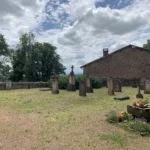
CHAPELLE DE MOUR
Description
English
Deutsch
Dutch
Español
Italiano
Description
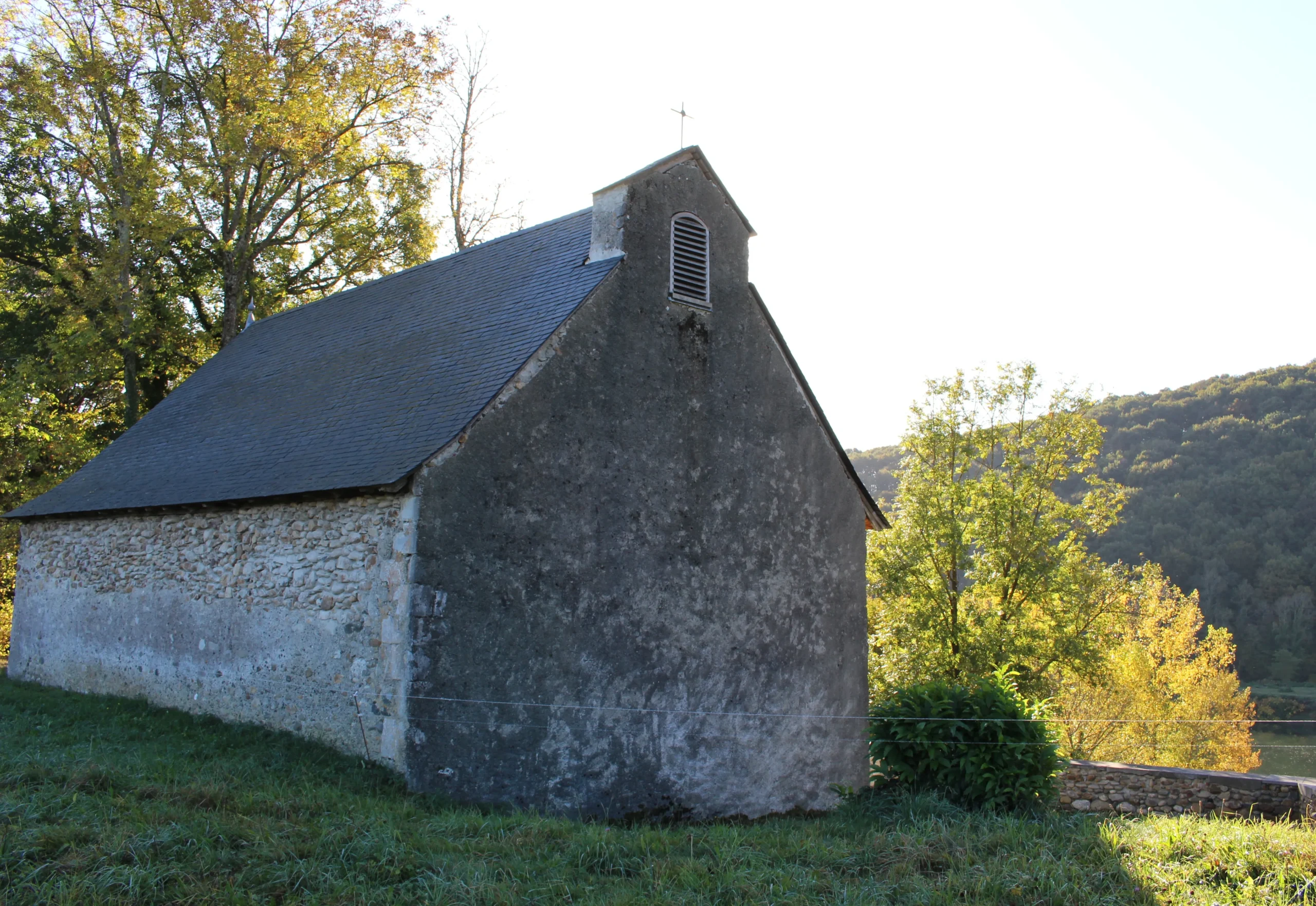
La Chapelle Saint Barthélemy est un petit édifice à nef unique et clocher mur, datée du XIIIème ou XIVème siècle, la chapelle de Mour était une annexe de Bazus Neste et de Lortet.
Elle est dotée d’une abside à l’est et d’un clocher-mur à l’ouest, les encadrements de porte de fenêtre sont de style roman. En 1569, lors du passage des Huguenots dans la vallée, la chapelle fut endommagée puis elle fut remaniée au début du XVIII° siècle et dans le cadre de la sauvegarde du patrimoine, fin 2003, des travaux de soutènement et de réfection de charpente et de la toiture ont été faits.
Aujourd’hui, l’association « A Mour de Chapelle » entreprend de restaurer et animer l’édifice.
English
The Saint Barthélemy Chapel is a small building with a single nave and wall bell tower, dated from the 13th or 14th century, the chapel of Mour was an annex of Bazus Neste and Lortet. It has an apse to the east and a wall-belfry to the west, the window frames are Romanesque in style. In 1569, during the passage of the Huguenots in the valley, the chapel was damaged then it was altered at the beginning of the eighteenth century and as part of the preservation of the heritage, at the end of 2003, work of support and repair of the framework and the roof was made. Today, the association "A Mour de Chapelle" undertakes to restore and animate the building.
Deutsch
Die Kapelle Saint Barthélemy ist ein kleines, einschiffiges Gebäude mit Glockenmauer, das auf das 13. oder 14. Jahrhundert datiert wird. Die Kapelle von Mour war ein Nebengebäude von Bazus Neste und Lortet.
Sie hat eine Apsis im Osten und einen Glockenturm mit Mauer im Westen, die Tür- und Fensterrahmen sind im romanischen Stil gehalten. Als die Hugenotten 1569 durch das Tal zogen, wurde die Kapelle beschädigt und Anfang des 18. Jahrhunderts umgebaut. Im Rahmen der Erhaltung des Kulturerbes wurden Ende 2003 Stützarbeiten durchgeführt und der Dachstuhl und das Dach erneuert.
Heute ist der Verein "A Mour de Chapelle" damit beschäftigt, das Gebäude zu restaurieren und zu beleben.
Dutch
De kapel van Saint Barthélemy is een klein gebouw met een enkel schip en een muurklok, daterend uit de 13e of 14e eeuw. De kapel van Mour was een bijgebouw van Bazus Neste en Lortet.
Het heeft een apsis aan de oostkant en een muurklokkentoren aan de westkant, de kozijnen van de ramen zijn in romaanse stijl. In 1569, tijdens de doortocht van de hugenoten door de vallei, werd de kapel beschadigd, vervolgens werd ze aan het begin van de 18e eeuw verbouwd en eind 2003 werden in het kader van het behoud van het erfgoed werkzaamheden uitgevoerd om het geraamte en de dakbedekking te ondersteunen en te herstellen.
Tegenwoordig zet de vereniging "A Mour de Chapelle" zich in voor de restauratie en animatie van het gebouw.
Español
La Capilla de San Bartolomé es un pequeño edificio de una sola nave y campanario pared, fechado en los siglos XIII o XIV, la capilla de Mour fue un anexo de Bazus Neste y Lortet.
Tiene un ábside en el este y un campanario en el oeste, los marcos de la puerta de la ventana son de estilo románico. En 1569, durante el paso de los hugonotes por el valle, la capilla fue dañada y luego se modificó a principios del siglo XVIII. y en el marco de la salvaguardia del patrimonio, a finales de 2003, se realizaron trabajos de sostenimiento y reparación de la carpintería y del tejado.
Hoy, la asociación «A Mour de Chapelle» se dedica a restaurar y animar el edificio.
Italiano
La cappella di Saint Barthélemy è un piccolo edificio a navata unica con campanile a muro, risalente al XIII o XIV secolo; la cappella di Mour era una dipendenza di Bazus Neste e Lortet.
Ha un'abside sul lato est e un campanile a muro sul lato ovest; le cornici delle porte delle finestre sono in stile romanico. Nel 1569, durante il passaggio degli Ugonotti nella valle, la cappella fu danneggiata, poi fu rimaneggiata all'inizio del XVIII secolo e alla fine del 2003, nell'ambito della conservazione del patrimonio, sono stati eseguiti lavori di sostegno e riparazione dell'ossatura e della copertura.
Oggi l'associazione "A Mour de Chapelle" si impegna a restaurare e animare l'edificio.
, 65250 La Barthe-de-Neste
Crédits: Sotos