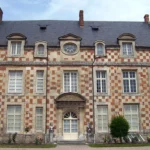
Abbatiale de Bernay – Bernay
Description
English
Deutsch
Dutch
Español
Italiano
Description
Construite entre 1013 et 1050 par le moine bâtisseur Guillaume de Volpiano, cette abbaye normande influença l’éclosion de l’art roman en Normandie. Au cours des siècles, l’édifice subit bien des ravages : incendie, guerre de Cent Ans, révolte de paysans au XVIème siècle… Exceptionnellement haute pour l’époque, elle s’échelonne sur trois niveaux. Vous serez admiratifs de la qualité d’exécution des motifs de chapiteaux : masques humains, « têtes feuillues», monstres à tête humaine, motifs végétaux ou géométriques…
English
Built between 1013 and 1050 by the monk and builder, William of Volpiano, this abbey encouraged the rise of Romanesque architecture in Normandy. Over the centuries, the building has suffered from a fire, the hundred Years' War, the 16th century peasants' revolt, etc.
Unusually high for its time, it spreads over three floors. You will be amazed by the quality of the carvings on the capitals: human masks, foliate heads, monsters with human heads, geometrical designs and leaves, etc.
Deutsch
Diese normannische Abtei wurde zwischen 1013 und 1050 vom Baumönch Wilhelm von Volpiano errichtet und beeinflusste die romanische Kunst in der Normandie. Im Laufe der Jahrhunderte erlitt das Gebäude zahlreiche Zerstörungen: Brände, der Hundertjährige Krieg, Bauernaufstände im 16 Jahrhundert. Die Kirche ist für ihre Zeit außergewöhnlich hoch und erstreckt sich über drei Ebenen. Sie werden die Qualität der Kapitellmotive bewundern: Menschenmasken, Blattköpfe, Monster mit Menschenköpfen, Pflanzenmotive oder geometrische Motive?
Dutch
Gebouwd tussen 1013 en 1050 door de monnikenbouwer Willem van Volpiano, beïnvloedde deze Normandische abdij de bloei van de Romaanse kunst in Normandië. In de loop der eeuwen heeft het gebouw heel wat te verduren gehad: brand, de Honderdjarige Oorlog, een boerenopstand in de 16e eeuw, enz Uitzonderlijk hoog voor zijn tijd, is het verdeeld over drie niveaus. U zult de kwaliteit van de uitvoering van de kapitale motieven bewonderen: menselijke maskers, "bladerkoppen", monsters met mensenhoofden, planten- of geometrische motieven?
Español
Construida entre 1013 y 1050 por el monje constructor Guillermo de Volpiano, esta abadía normanda influyó en el florecimiento del arte románico en Normandía. A lo largo de los siglos, el edificio ha sufrido numerosos estragos: incendios, la Guerra de los Cien Años, una revuelta campesina en el siglo XVI, etc Excepcionalmente alto para su época, se distribuye en tres niveles. Admirará la calidad de ejecución de los motivos capitales: máscaras humanas, "cabezas de hojas", monstruos con cabeza humana, motivos vegetales o geométricos..
Italiano
Costruita tra il 1013 e il 1050 dal monaco costruttore Guglielmo da Volpiano, questa abbazia normanna influenzò la fioritura dell'arte romanica in Normandia. Nel corso dei secoli, l'edificio ha subito molte distruzioni: incendi, la Guerra dei Cento Anni, una rivolta contadina nel XVI secolo, ecc Eccezionalmente alto per l'epoca, si sviluppa su tre livelli. Ammirerete la qualità dell'esecuzione dei motivi capitali: maschere umane, "teste di foglie", mostri con teste umane, motivi vegetali o geometrici?
Moyens de paiement: Espèce - Chèque - Virements
Equipements: Parking - Toilettes - Matériel bébé, enfant
Place Gustave Héon, 27300 Bernay