Éric et Quentin – Papa pas papa – 02-10-2026 – Freyming-Merlebach
My Tourisme > Evénements > Evénements Culturels > Éric et Quentin – Papa pas papa – 02-10-2026 – Freyming-Merlebach
Description
English
Deutsch
Dutch
Español
Italiano
Description
Être ou ne pas être père ? Telle est la question… que se posent Éric et Quentin dans leur nouveau spectacle. Si pour Éric, un enfant rime avec angoissant, aliénant ou encore perte d’argent, pour Quentin heureux et tout nouveau papa, c’est au contraire l’espoir de la vie et désormais le fond d’écran, trop chou, de son téléphone. Des couches sales aux nuits blanches en passant par la joie de découvrir le sourire d’un bébé, “Papa pas papa” c’est le regard tendre, acerbe et drôle de deux hommes face à la perspective de la parentalité. Un spectacle universel où chacun se retrouve, le temps d’un débat avec le public, autour de l’amour et des biberons au lait de chèvre. Placement libre assis.
English
"To be or not to be a father? That is the question" that Éric and Quentin ask themselves in their new show. While for Éric, a child means anxiety, alienation, or even a financial burden, for Quentin—a happy, new dad— it’s, on the contrary, the hope of life and now the adorable wallpaper on his phone. From dirty diapers to sleepless nights, not to mention the joy of seeing a baby’s smile, “Papa pas papa” offers the tender, sharp, and funny perspective of two men facing the prospect of parenthood. A universal show where everyone can relate, featuring a discussion with the audience about love and goat’s milk bottles. Unreserved seating.
Deutsch
%CA Vater sein oder nicht %EA Vater sein? Das ist die Frage, die sich %C9ric und Quentin in ihrer neuen Show stellen. Während für %C9ric ein Kind gleichbedeutend ist mit Angst, Entfremdung oder sogar Geldverlust, ist es für Quentin, den glücklichen und frischgebackenen Papa, ist es im Gegenteil die Hoffnung des Lebens und nun auch das viel zu süße Hintergrundbild seines Handys. Von schmutzigen Windeln über schlaflose Nächte bis hin zur Freude, das Lächeln eines Babys zu entdecken – „Papa pas papa“ ist der zärtliche, bissige und witzige Blick zweier Männer auf die Aussicht auf das Elternsein. Ein universelles Stück, in dem sich jeder wiederfindet – während einer Diskussion mit dem Publikum über Liebe und Fläschchen mit Ziegenmilch. Freie Platzwahl (Sitzplätze).
Dutch
%CAvader zijn of niet %EAvader zijn? Dat is de vraag die %C9ric en Quentin zich stellen in hun nieuwe voorstelling. Terwijl een kind voor %C9ric synoniem is met angst, vervreemding of zelfs geldverlies, is het voor Quentin, de gelukkige en kersverse papa, is het juist de hoop van het leven en voortaan de schattige achtergrondafbeelding op zijn telefoon. Van vuile luiers tot slapeloze nachten en de vreugde van het ontdekken van de glimlach van een baby: „Papa pas papa“ is de tedere, scherpe en grappige kijk van twee mannen op het vooruitzicht van het ouderschap. Een universele voorstelling waarin iedereen zich kan herkennen, met daarna een discussie met het publiek over liefde en flesjes geitenmelk. Vrije zitplaatskeuze.
Español
¿Ser o no ser padre? Esa es la pregunta que se plantean Éric y Quentin en su nuevo espectáculo. Si para Éric tener un hijo es sinónimo de angustia, alienación o incluso pérdida de dinero, para Quentin, feliz y recién estrenado papá, es, por el contrario, la esperanza de la vida y, a partir de ahora, el fondo de pantalla —demasiado mono— de su teléfono. Desde los pañales sucios hasta las noches en vela, pasando por la alegría de descubrir la sonrisa de un bebé, «¿Papá, no papá?» es la mirada tierna, mordaz y divertida de dos hombres ante la perspectiva de la paternidad. Un espectáculo universal en el que todo el mundo se ve reflejado, durante un debate con el público, en torno al amor y a los biberones de leche de cabra. Asientos libres.
Italiano
%CEssere o non %EEssere p%E8re? Questo è il dilemma che si pongono %CÉric e Quentin nel loro nuovo spettacolo. Se per %CÉric un figlio è sinonimo di angoscia, alienazione o addirittura perdita di denaro, per Quentin, felice e neo-papà, rappresenta invece la speranza della vita e, d’ora in poi, lo sfondo, davvero carinissimo, del suo telefono. Dai pannolini sporchi alle notti in bianco, passando per la gioia di scoprire il sorriso di un neonato, «Papa pas papa» è lo sguardo tenero, pungente e divertente di due uomini di fronte alla prospettiva della genitorialità. Uno spettacolo universale in cui tutti possono riconoscersi, durante un dibattito con il pubblico, incentrato sull’amore e sui biberon di latte di capra. Posti a sedere liberi.
1 Place des Alliés, 57800 Freyming-Merlebach
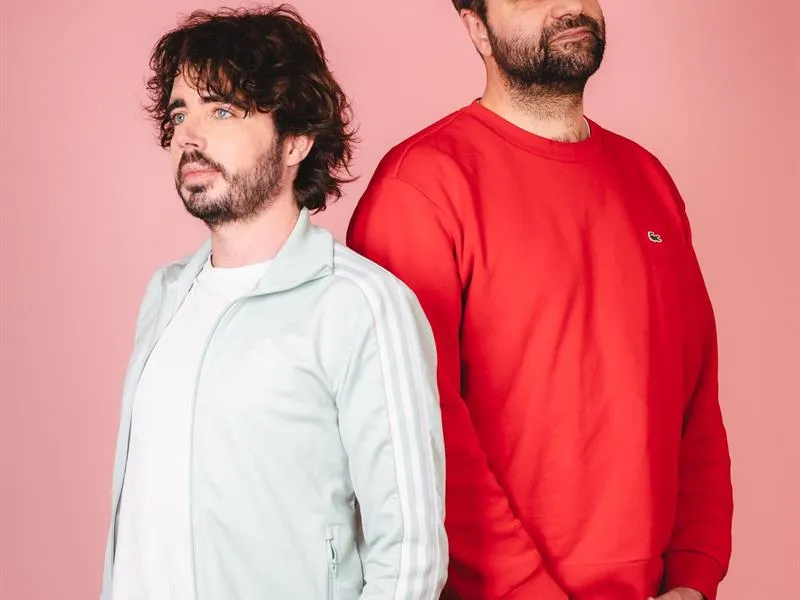
Crédits: Bazile des Iles