Ce que pense la main – Partie 2 – 21-06-2025 – Marseille 2e Arrondissement
My Tourisme > Evénements > Evénements Culturels > Ce que pense la main – Partie 2 – 21-06-2025 – Marseille 2e Arrondissement
Description
English
Deutsch
Dutch
Español
Italiano
Description
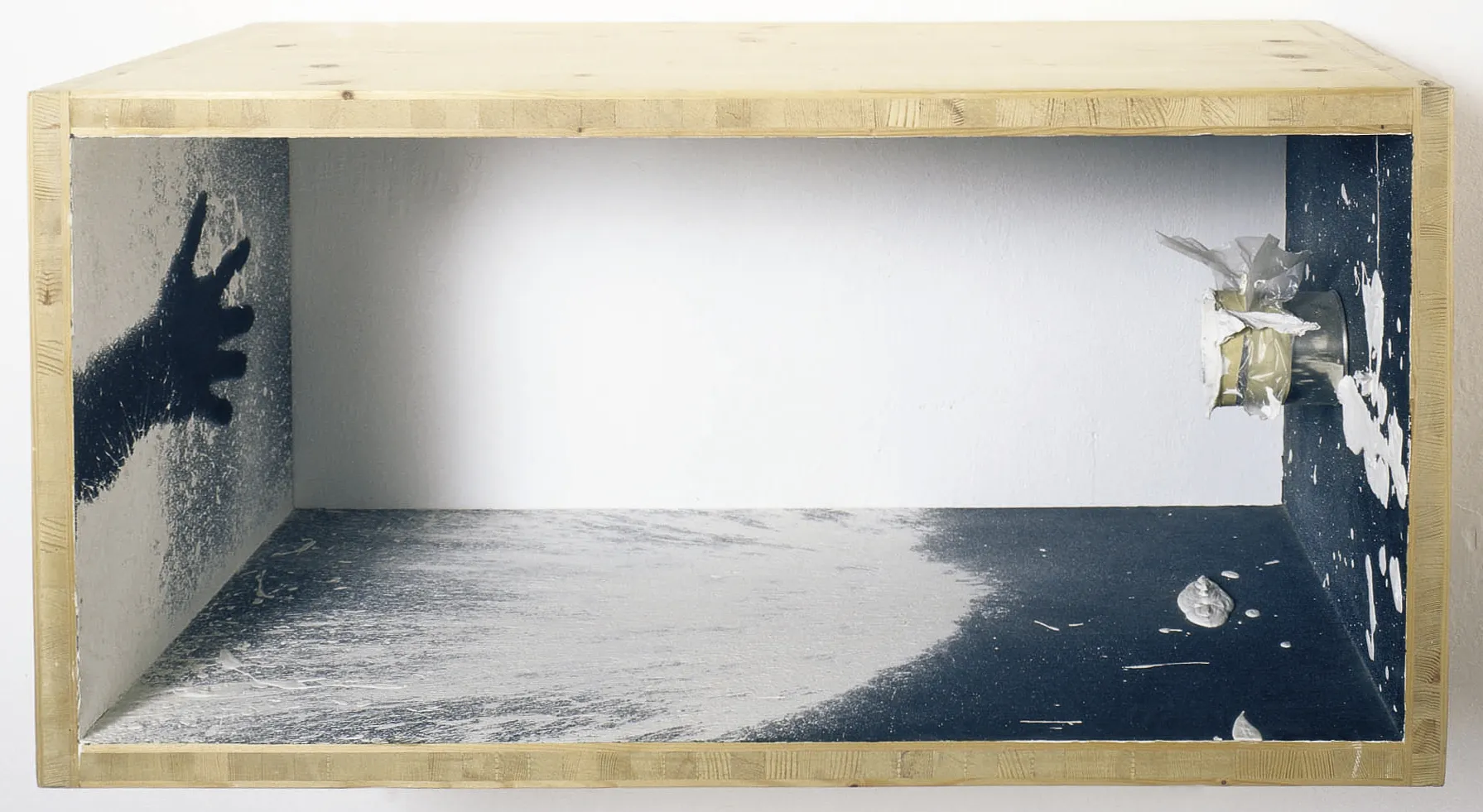
Imaginée en deux temps sur l’année avec une seconde partie à l’été, l’exposition présente des œuvres d’artistes de différentes générations pour certain·es entré·es récemment dans la collection témoignant de l’actualité et de la résurgence très forte de ce questionnement dans les pratiques artistiques contemporaines. Si étymologiquement, le mot « art » renvoie d’abord à l’idée d’un savoir-faire (pour les Grecs, l’art était d’abord une tekhnè– une technique), on a dès l’époque moderne, différencié voire opposé les beaux-arts et les arts décoratifs. Ici, les oeuvres proposées permettent de mesurer la porosité entre ces domaines artistiques et la libre circulation des gestes et des expressions. Ces œuvres dialoguent dans un accrochage archipel autour de trois grandes thématiques : « La main démiurgique » , « L’artialisation » et « Syncrétisme Pop ». À travers elles, le rapport à la nature, la prise en compte de l’espace et de l’architecture, les notions d’hybridation, de patchwork ou de recyclage, y compris dans leurs acceptions sociales et politiques, constituent autant d’entrées pour découvrir cette exposition. Ce projet du Frac Sud rend hommage également à l’architecte de son bâtiment Kengo Kuma et à son geste origamique avec ces panneaux de verre conçus par des artisans et ayant pour ambition de faire image dans la ville.
English
Organized in two parts over the year, with a second part in the summer, the exhibition presents works by artists of different generations, some of whom have recently entered the collection, testifying to the topicality and strong resurgence of this question in contemporary artistic practices. While etymologically, the word "art" primarily refers to the idea of know-how (for the Greeks, art was first and foremost a tekhnè? a technique), from the modern era onwards, fine and decorative arts have been differentiated and even opposed. Here, the works on display demonstrate the porosity between these artistic fields and the free circulation of gestures and expressions. The works are displayed in an archipelago-like layout around three main themes: "The Demiurgic Hand", "Artitization" and "Pop Syncretism". Through them, the relationship with nature, the consideration of space and architecture, and the notions of hybridization, patchwork and recycling, including in their social and political meanings, all provide entry points for discovering this exhibition. This Frac Sud project also pays homage to the architect of its building, Kengo Kuma, and his origami gesture, with glass panels designed by craftsmen to create an image in the city.
Deutsch
Die Ausstellung, die in zwei Teilen über das Jahr verteilt ist, mit einem zweiten Teil im Sommer, zeigt Werke von Künstlern verschiedener Generationen, von denen einige erst seit kurzem in der Sammlung sind. Obwohl das Wort "Kunst" etymologisch zunächst auf die Idee einer Kunstfertigkeit verweist (für die Griechen war Kunst zunächst eine tekhnè? eine Technik), hat man seit der Moderne zwischen den schönen Künsten und den dekorativen Künsten unterschieden oder sie sogar gegeneinander ausgespielt. Die hier vorgestellten Werke zeigen die Durchlässigkeit zwischen diesen Kunstbereichen und die freie Zirkulation von Gesten und Ausdrucksformen. Die Werke stehen in einem archipelartigen Ausstellungskonzept in einem Dialog zu drei großen Themen: "Die demiurgische Hand", "Die Artialisierung" und "Pop-Synkretismus". Die Beziehung zur Natur, die Berücksichtigung von Raum und Architektur, die Begriffe Hybridisierung, Patchwork und Recycling, auch in ihren sozialen und politischen Bedeutungen, bilden die Grundlage für die Entdeckung dieser Ausstellung. Das Projekt des Frac Sud ist auch eine Hommage an den Architekten des Gebäudes, Kengo Kuma, und an seine Origami-Geste mit den von Handwerkern entworfenen Glaspaneelen, die ein Bild in der Stadt darstellen sollen.
Dutch
De tentoonstelling is georganiseerd in twee delen over het hele jaar, met een tweede deel in de zomer, en toont werken van kunstenaars van verschillende generaties, waarvan sommige recent zijn toegevoegd aan de collectie, wat de actualiteit en de heropleving van dit onderwerp in de hedendaagse artistieke praktijk aantoont. Terwijl het woord 'kunst' etymologisch gezien in de eerste plaats verwijst naar het idee van knowhow (voor de Grieken was kunst in de eerste plaats een tekhnè? een techniek), worden beeldende kunst en decoratieve kunst sinds de moderne tijd van elkaar onderscheiden en zelfs tegenover elkaar geplaatst. Hier tonen de tentoongestelde werken de poreuze aard van deze artistieke gebieden en het vrije verkeer van gebaren en uitdrukkingen. De werken zijn gerangschikt in een archipelachtige opstelling rond drie hoofdthema's: "De demiurgische hand", "Artificiëring" en "Pop-syncretisme". De relatie met de natuur, de aandacht voor ruimte en architectuur, en de begrippen hybridisatie, patchwork en recycling, ook in hun sociale en politieke betekenis, vormen allemaal aanknopingspunten om deze tentoonstelling te ontdekken. Dit project van Frac Sud is ook een eerbetoon aan de architect van het gebouw, Kengo Kuma, en aan zijn origami-gebaar, met deze glazen panelen die door ambachtslieden zijn ontworpen en bedoeld zijn om een beeld in de stad te maken.
Español
Organizada en dos partes a lo largo del año, con una segunda parte en verano, la exposición presenta obras de artistas de diferentes generaciones, algunos de los cuales se han incorporado recientemente a la colección, lo que demuestra la actualidad y el resurgimiento de este tema en la práctica artística contemporánea. Etimológicamente, la palabra "arte" remite ante todo a la idea de saber hacer (para los griegos, el arte era ante todo una tekhnè? una técnica), pero a partir de la época moderna, bellas artes y artes decorativas se han diferenciado e incluso contrapuesto. Aquí, las obras expuestas demuestran la porosidad de estos campos artísticos y la libre circulación de gestos y expresiones. Las obras están dispuestas en forma de archipiélago en torno a tres temas principales: "La mano demiúrgica", "Artificialización" y "Sincretismo pop". A través de ellos, la relación con la naturaleza, la consideración dada al espacio y la arquitectura, y las nociones de hibridación, patchwork y reciclaje, incluso en sus significados sociales y políticos, constituyen puntos de entrada para descubrir esta exposición. Este proyecto del Frac Sud rinde también homenaje al arquitecto de su edificio, Kengo Kuma, y a su gesto de origami, con estos paneles de vidrio diseñados por artesanos y destinados a crear una imagen en la ciudad.
Italiano
Organizzata in due parti nel corso dell'anno, con una seconda parte in estate, la mostra presenta opere di artisti di diverse generazioni, alcuni dei quali recentemente entrati a far parte della collezione, a dimostrazione dell'attualità e della rinascita di questo tema nella pratica artistica contemporanea. Se etimologicamente la parola "arte" si riferisce innanzitutto all'idea di sapere (per i greci l'arte era innanzitutto una tekhnè? una tecnica), dall'epoca moderna in poi le belle arti e le arti decorative sono state differenziate e persino contrapposte. Le opere esposte dimostrano la natura porosa di questi campi artistici e la libera circolazione di gesti ed espressioni. Le opere sono disposte in un allestimento ad arcipelago attorno a tre temi principali: "La mano demiurgica", "Artificializzazione" e "Sincretismo pop". Attraverso di essi, il rapporto con la natura, la considerazione dello spazio e dell'architettura, le nozioni di ibridazione, patchwork e riciclo, anche nei loro significati sociali e politici, costituiscono punti di accesso alla scoperta di questa mostra. Il progetto di Frac Sud rende anche omaggio all'architetto dell'edificio, Kengo Kuma, e al suo gesto dell'origami, con questi pannelli di vetro disegnati da artigiani e destinati a creare un'immagine nella città.
20 Boulevard De Dunkerque, 13002 Marseille 2e Arrondissement
Crédits: DR-Roman Signer


